
1. Specifications Comparison
| Feature | Huawei Mate X3 | Motorola Edge 50 Neo | Practical Impact |
|---|---|---|---|
| Design | |||
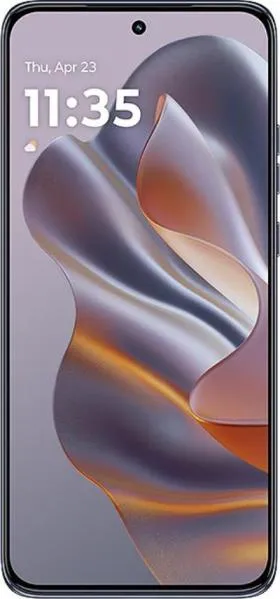
| Dimensions (mm) | 156.9 x 141.5 x 5.3 (folded) | 154.1 x 71.2 x 8.1 | Mate X3 significantly thinner when folded, but larger unfolded. Edge 50 Neo more pocketable in daily use. |
| Weight (g) | 239 | 171 | Edge 50 Neo noticeably lighter, reducing hand fatigue during extended use. |
| Foldable | Yes | No | Mate X3 offers a larger screen real estate for multitasking and media consumption but introduces potential durability concerns and bulk. |
| Display | |||
| Display Size (inches) | 7.85 (unfolded) | 6.4 | Mate X3 provides a tablet-like experience when unfolded. Edge 50 Neo offers a standard smartphone screen size. |
| Display Type | Foldable OLED | LTPO P-OLED | Both offer vibrant colors and deep blacks. LTPO on Edge 50 Neo allows for more granular refresh rate control, potentially saving battery. |
| Refresh Rate (Hz) | 120 | 120 | Both offer smooth scrolling and animations. |
| Peak Brightness (nits) | Unspecified | 3000 | Edge 50 Neo's superior peak brightness ensures better visibility in direct sunlight. Missing spec for Mate X3 limits comparison. |
| Performance | |||
| Chipset | Snapdragon 8+ Gen 1 4G | MediaTek Dimensity 7300 | Snapdragon 8+ Gen 1 generally offers higher peak performance. Dimensity 7300 focuses on efficiency. Real-world difference might be less significant than benchmarks suggest. |
| CPU | Octa-core (1x3.19 GHz X2 & 3x2.75 GHz A710 & 4x2.0 GHz A510) | Octa-core (4x2.5 GHz A78 & 4x2.0 GHz A55) | Snapdragon 8+ Gen 1 likely offers a performance advantage in demanding tasks. |
| GPU | Adreno 730 | Mali-G615 MC2 | Adreno 730 generally provides better gaming performance. |
| RAM (GB) | 8/12 | 8/12 | Both offer ample RAM for multitasking. |
| Camera | |||
| Main Camera (MP) | 50 | 50 | Comparable resolution, but sensor and image processing details missing, limiting detailed comparison. |
| Telephoto | Yes (5x Optical Zoom) | Yes (3x Optical Zoom) | Mate X3 offers stronger optical zoom capabilities. |
| Battery | |||
| Capacity (mAh) | 4800 | 4310 | Mate X3 has a slightly larger battery, but the foldable design and larger display may offset this advantage in real-world usage. |
2. Key Differences Analysis
Huawei Mate X3 Advantages:
- Foldable Design: Offers a larger screen for multitasking and media consumption.
- Superior Optical Zoom: 5x optical zoom provides greater versatility in photography.
- Slightly Larger Battery: Potentially longer battery life, although real-world usage may vary.
- More Powerful Chipset: Expected to deliver better performance in demanding tasks and gaming.
Motorola Edge 50 Neo Advantages:
- Lighter and More Pocketable: Easier to carry and use for extended periods.
- Lower Price: Significantly more affordable.
- Brighter Display: Better visibility outdoors.
- 5G Connectivity: Supports faster cellular data speeds.
- Latest Android Version: Comes with Android 14, offering potential software and security advantages.
3. User Profiles & Recommendations
Huawei Mate X3: Ideal for users who prioritize a large screen experience for productivity and media consumption and are willing to pay a premium for the foldable technology. Use cases include: multitasking with multiple apps, watching videos, reading ebooks, and mobile gaming.
Motorola Edge 50 Neo: Suitable for users who value a balance of performance, features, and affordability. Use cases include: everyday smartphone tasks, social media, web browsing, casual gaming, and photography.
4. Decision Framework
Key Questions for Buyers:
- Budget: Is a premium price for a foldable phone justifiable?
- Screen Size Priority: Is a large, foldable screen crucial, or is a standard smartphone screen sufficient?
- Performance Needs: Are demanding tasks and gaming a priority, or is moderate performance acceptable?
My Choice: Motorola Edge 50 Neo
While the Huawei Mate X3 offers impressive technology with its foldable screen and powerful chipset, the Motorola Edge 50 Neo provides a better value proposition for my needs. The significantly lower price, coupled with 5G connectivity, a bright display, and a lightweight design, makes it a more practical choice for everyday use. I prioritize portability and value, and the Edge 50 Neo delivers in those areas without significant compromises in essential features. The lack of detailed camera specifications makes a thorough camera comparison challenging, but the Edge 50 Neo appears to have a competitive camera system for its price range. The Mate X3's advantages, primarily the foldable screen and higher peak performance, don't outweigh its significantly higher cost and bulkier form factor for my personal preferences and usage patterns.
