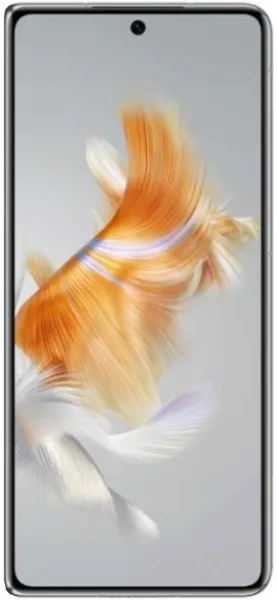
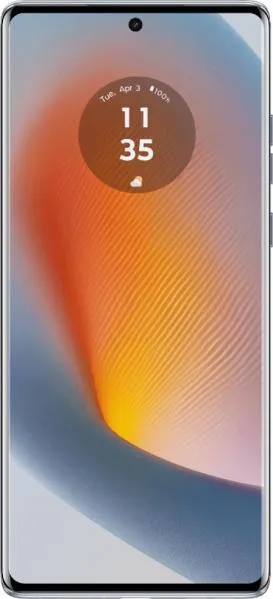
1. Specifications Comparison
| Feature | Huawei Mate X3 | Motorola Edge 50 Fusion | Practical Impact | |
|---|---|---|---|---|
| Design | ||||
| Dimensions (mm) | 156.9 x 141.5 x 5.3 (folded) | 161.9 x 73.1 x 7.9 | Mate X3 significantly thinner and potentially more pocketable when folded, but larger unfolded. Edge 50 Fusion more traditional form factor. | |
| Weight (g) | 239 | 174.9 | Mate X3 noticeably heavier due to folding mechanism and larger display. Edge 50 Fusion lighter for one-handed use. | |
| Foldable | Yes | No | Mate X3 offers a larger screen real estate for multitasking and media consumption, but with added complexity and potential durability concerns. | |
| Display | ||||
| Display Size (inches) | 7.85 (unfolded), ~6.4 (folded - outer) | 6.7 | Mate X3 provides a substantially larger screen when unfolded, beneficial for productivity and media. Edge 50 Fusion offers a standard large screen size. | |
| Resolution (px) | 2224 x 2496 | 1080 x 2400 | Mate X3 boasts a sharper display with higher pixel density (426 ppi vs 393 ppi), resulting in crisper text and images. | |
| Refresh Rate (Hz) | 120 | Up to 144 (INT) / 120 (LATAM) | Both offer smooth scrolling and animations. Edge 50 Fusion's potentially higher refresh rate in some regions may provide a slightly more fluid experience for gaming. | |
| Display Type | Foldable OLED | P-OLED | Both offer vibrant colors and deep blacks. Foldable nature of Mate X3 introduces crease possibility and potential durability concerns. | |
| Performance | ||||
| Chipset | Snapdragon 8+ Gen 1 4G | Snapdragon 7s Gen 2 | Mate X3 features a more powerful processor, leading to smoother performance in demanding tasks and games. Edge 50 Fusion offers good mid-range performance. | |
| CPU | Octa-core (1x3.19 GHz X2 & 3x2.75 GHz A710 & 4x2.0 GHz A510) | Octa-core (4x2.40 GHz A78 & 4x1.95 GHz A55) | Mate X3's CPU architecture provides superior processing power, resulting in faster app loading and multitasking. | |
| GPU | Adreno 730 | Adreno 710 | Mate X3's GPU offers significantly better graphics performance for gaming and visually intensive applications. | |
| RAM | 8GB/12GB | 8GB/12GB | Both offer sufficient RAM for smooth multitasking, though specific configurations vary. | |
| Camera | ||||
| Main Camera (MP) | 50 | 50 | Comparable main camera resolution, but image quality depends on sensor and processing. Specific sensor details suggest Mate X3 might offer better low-light performance (larger pixel size on Sony IMX766 vs. Sony LYT-700C). | |
| Telephoto | Yes (3x optical zoom, periscope) | No | Mate X3 offers optical zoom for capturing distant subjects without quality loss. Edge 50 Fusion relies on digital zoom. | |
| Ultrawide | Yes | Yes | Both offer ultrawide capabilities for expansive shots. | |
| Battery | ||||
| Capacity (mAh) | 4800 | 5000 | Edge 50 Fusion has a slightly larger battery capacity, potentially translating to longer battery life. However, Mate X3's larger display may consume more power. |
2. Key Differences Analysis
Huawei Mate X3 Advantages:
- Superior Performance: Significantly faster processor and GPU for demanding tasks and gaming.
- Larger, Sharper Display: Foldable design provides a massive screen for multitasking and media consumption, with higher resolution for crisper visuals.
- Advanced Camera System: Includes a periscope telephoto lens for optical zoom, potentially superior main sensor.
Motorola Edge 50 Fusion Advantages:
- Longer Battery Life (Potential): Larger battery capacity, though actual usage will vary.
- Lower Price: Significantly more affordable.
- More Traditional Form Factor: Lighter, more pocketable for users who prefer a standard smartphone design. Potentially more durable due to lack of folding mechanism.
- 5G Connectivity: Offers broader 5G band support compared to Mate X3's 4G.
Trade-offs:
- Mate X3: Higher price, heavier, potential durability concerns due to folding screen, only 4G.
- Edge 50 Fusion: Less powerful, lower resolution display, lacks telephoto lens.
3. User Profiles & Recommendations
Huawei Mate X3: Ideal for power users, multitaskers, and content creators who prioritize performance, a large and stunning display, and advanced camera features. Suitable use cases include:
- Productivity: Working on multiple documents simultaneously, detailed photo editing
- Entertainment: Immersive movie watching, gaming
- Creative Professionals: On-the-go content creation and editing.
Motorola Edge 50 Fusion: Best suited for budget-conscious users who want a reliable smartphone with good performance, a long-lasting battery, and 5G connectivity. Ideal use cases:
- Everyday Use: Social media, web browsing, casual gaming
- Communication: Calling, texting, video conferencing
- Users seeking a durable, traditional phone design.
4. Decision Framework
Key Questions for Buyers:
- Budget: Is a premium price justifiable for the Mate X3's advanced features?
- Performance Needs: Is top-tier processing power and a large display essential?
- Form Factor Preference: Is a foldable phone appealing, or is a traditional design preferred?
Scenario-Based Recommendations:
- Limited Budget: Motorola Edge 50 Fusion.
- Prioritize Performance and Large Screen: Huawei Mate X3.
- Value Durability and Simplicity: Motorola Edge 50 Fusion.
- Need 5G Connectivity: Motorola Edge 50 Fusion.
My Choice: Motorola Edge 50 Fusion
While the Huawei Mate X3 boasts impressive specs, the Motorola Edge 50 Fusion offers a more compelling package for my needs and preferences. I prioritize a durable, reliable phone with good performance for everyday tasks, long battery life, and 5G connectivity. The significantly lower price of the Edge 50 Fusion makes it a much better value proposition for me. While I appreciate the innovative foldable design of the Mate X3, I'm not willing to compromise on practicality, affordability, and 5G access for its benefits. The lack of a telephoto lens is acceptable given my typical usage patterns. The potential for increased durability in the Edge 50 Fusion, due to the lack of a delicate folding screen, is also a significant factor.
