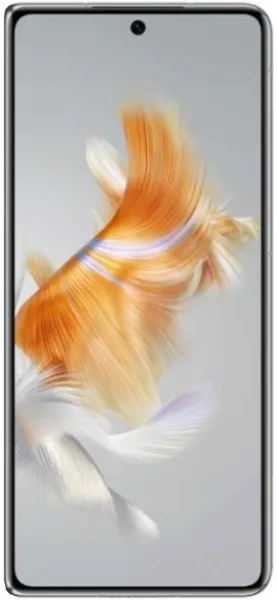
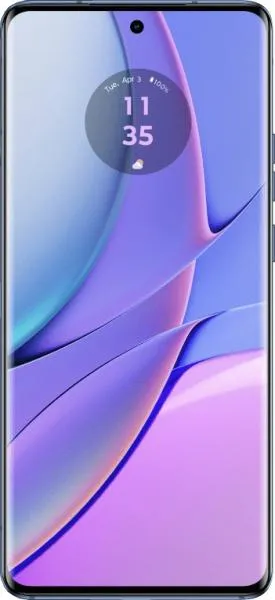
1. Specifications Comparison
| Feature | Huawei Mate X3 | Motorola Edge 40 | Practical Impact |
|---|---|---|---|
| Design | |||
| Dimensions (mm) | 156.9 x 141.5 x 5.3 (folded) | 158.4 x 72 x 7.6 | Mate X3 significantly thinner when folded, but larger unfolded. Edge 40 more pocketable in daily use. |
| Weight (g) | 239 | 167 | Edge 40 noticeably lighter, reducing hand fatigue during extended use. |
| Foldable | Yes | No | Mate X3 offers a larger screen real estate for multitasking and media consumption but introduces potential durability concerns and bulk. |
| Display | |||
| Display Type | Foldable OLED | P-OLED | Mate X3 offers a flexible, larger screen with a crease; Edge 40 offers a more traditional, durable display. |
| Size (inches) | 7.85 (unfolded), ~6.4" (outer) | 6.55 | Mate X3 provides a tablet-like experience when unfolded. Edge 40 offers a comfortable one-handed experience. |
| Resolution (px) | 2224 x 2496 (unfolded) | 1080 x 2400 | Mate X3 has a sharper display due to higher resolution, especially noticeable when unfolded. |
| Refresh Rate (Hz) | 120 | 144 | Edge 40 boasts a higher refresh rate, resulting in smoother animations and scrolling, beneficial for gaming and fast-paced content. |
| Performance | |||
| Chipset | Snapdragon 8+ Gen 1 4G (4 nm) | Mediatek Dimensity 8020 (6 nm) | Both chipsets offer high performance, but the Snapdragon 8+ Gen 1 generally edges out the Dimensity 8020 in benchmarks, particularly in demanding tasks. |
| CPU | Octa-core (1x3.19 GHz Cortex-X2 & 3x2.75 GHz Cortex-A710 & 4x2.0 GHz Cortex-A510) | Octa-core (4x2.6 GHz Cortex-A78 & 4x2.0 GHz Cortex-A55) | Snapdragon 8+ Gen 1's architecture suggests a performance advantage in single-core and multi-core tasks. |
| GPU | Adreno 730 | Mali-G77 MC9 | Adreno 730 is generally considered more powerful, offering better gaming and graphics performance. |
| RAM (GB) | 8/12 | 8 | Both offer sufficient RAM for most tasks, but the 12GB option in the Mate X3 provides more headroom for heavy multitasking. |
| Camera | |||
| Main Camera (MP) | 50 | 50 | Comparable resolution, but the Edge 40's f/1.4 aperture allows for better low-light performance and shallower depth of field. |
| Ultrawide (MP) | 12 | 13 | Edge 40 offers a slightly higher resolution ultrawide. Practical differences likely minimal. |
| Telephoto | 16 MP (5x optical zoom) | None | Mate X3 significantly benefits from a dedicated telephoto lens for optical zoom capabilities. |
| Battery | |||
| Capacity (mAh) | 4800 | 4400 | Mate X3 has a slightly larger battery, but real-world battery life depends heavily on usage patterns, especially considering the larger, more demanding display of the Mate X3. |
| Other | |||
| Price Range | High | Medium | Significant price difference; Mate X3 is a premium flagship, Edge 40 offers competitive features at a mid-range price. |
| 5G | No | Yes | Edge 40 supports faster 5G cellular connectivity for quicker downloads and lower latency. Mate X3 is limited to 4G. |
2. Key Differences Analysis
Huawei Mate X3 Advantages:
- Larger, Foldable Display: Provides a unique, versatile experience for multitasking and media consumption.
- Higher Resolution Display: Sharper visuals compared to the Edge 40.
- Telephoto Lens: Offers optical zoom capabilities missing in the Edge 40.
- Slightly larger battery: Potentially longer battery life, though impacted by the larger display.
Motorola Edge 40 Advantages:
- Significantly Lighter and More Compact: Easier to carry and use one-handed.
- Higher Refresh Rate Display: Smoother animations and scrolling experience.
- Lower Price: More affordable while offering competitive performance.
- 5G Connectivity: Enables faster data speeds and lower latency.
- Brighter Display: Peak brightness of 1200 nits vs. unknown for the Mate X3, providing better visibility in direct sunlight.
3. User Profiles & Recommendations
Huawei Mate X3: Ideal for users who prioritize a large screen experience, multitasking capabilities, and value the novelty and versatility of a foldable phone. Suitable for power users, content creators, and those who consume media heavily on their phones.
Motorola Edge 40: Best suited for users seeking a sleek, lightweight phone with a smooth display, excellent performance, and 5G connectivity at a more affordable price point. Ideal for everyday users, gamers, and those who prioritize portability and value.
4. Decision Framework
Key Questions:
- What is your budget? The Mate X3 is significantly more expensive.
- How important is portability? The Edge 40 is much lighter and more pocketable.
- Do you need a foldable screen? This is a crucial differentiating feature.
My Choice: Motorola Edge 40
While the Huawei Mate X3 offers impressive technology with its foldable screen, I would choose the Motorola Edge 40. The significantly lower price, lighter weight, smoother 144Hz display, 5G connectivity, and brighter screen make it a more practical choice for my daily needs. I prioritize portability and value, and the Edge 40 delivers a well-rounded package without the premium price tag and potential durability concerns of a foldable device. Although I would miss the telephoto lens, the superior overall user experience and value proposition of the Edge 40 make it the more compelling option for me.
