1. Specifications Comparison
| Feature | Huawei Mate X3 | Huawei nova 12i | Practical Impact |
|---|---|---|---|
| Design | |||
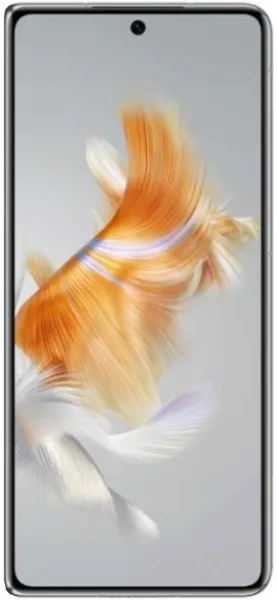
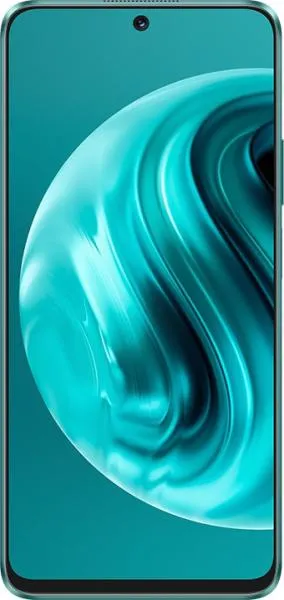
| Dimensions (mm) | 156.9 x 141.5 x 5.3 (folded) | 163.3 x 74.7 x 8.4 | Mate X3 significantly more compact when folded, pocketable; nova 12i is a standard candybar design. |
| Weight (g) | 239 | 199 | Mate X3 surprisingly lighter despite foldable design; both relatively lightweight for their sizes. |
| Foldable | Yes | No | Mate X3 offers larger screen real estate in a compact form factor; nova 12i offers a traditional smartphone experience. |
| Display | |||
| Size (inches) | 7.85 (unfolded), ~6.4" (outer) | 6.7 | Mate X3 provides a tablet-like experience when unfolded; nova 12i has a large but standard display size. |
| Resolution (px) | 2224 x 2496 | 1080 x 2388 | Mate X3 offers significantly sharper visuals due to higher resolution and pixel density. |
| Type | Foldable OLED, 120Hz | IPS LCD, 90Hz | Mate X3 benefits from OLED's vibrant colors, deeper blacks, and faster response times; nova 12i's LCD is less power-efficient with potentially washed-out colors. Mate X3's 120Hz refresh rate provides smoother animations and scrolling compared to nova 12i's 90Hz. |
| Performance | |||
| Chipset | Snapdragon 8+ Gen 1 4G (4nm) | Snapdragon 680 4G (6nm) | Mate X3 significantly more powerful, enabling smoother multitasking, faster app loading, and better gaming performance. |
| CPU | Octa-core (1x3.19 GHz X2 & 3x2.75 GHz A710 & 4x2.0 GHz A510) | Octa-core (4x2.4 GHz A73 & 4x1.9 GHz A53) | Mate X3 boasts a more modern and powerful CPU architecture, leading to significant performance gains in demanding tasks. |
| GPU | Adreno 730 | Adreno 610 | Mate X3's GPU offers vastly superior graphics performance for gaming and visually intensive applications. |
| RAM (GB) | 8/12 | 8 | Both offer ample RAM for multitasking, though the 12GB option on the Mate X3 provides additional headroom for demanding applications. |
| Camera | |||
| Main Camera (MP) | 50 MP (Sony IMX766) | 108 MP (Samsung HM6) | While the nova 12i boasts higher resolution, the Mate X3 likely delivers better image quality due to a larger sensor (IMX766 generally outperforms HM6 in low light and dynamic range). |
| Other Cameras | Wide, Telephoto | Depth, Selfie | Mate X3 offers greater versatility with a dedicated telephoto lens for optical zoom. Nova 12i has a basic depth sensor for portrait mode. |
| Video | Up to 4K@60fps with EIS | 1080p@30fps | Mate X3 supports higher resolution and frame rate video recording with electronic image stabilization. |
| Battery | |||
| Capacity (mAh) | 4800 | 5000 | Nova 12i has a slightly larger battery capacity, but Mate X3's more efficient processor could potentially offset this in real-world usage. |
| Other | |||
| Price Range | High | Medium | Significant price difference reflecting the premium features and performance of the Mate X3. |
| OS | Not specified | Not specified | OS details missing for both phones, limiting comparison in terms of software features and updates. |
2. Key Differences Analysis
Huawei Mate X3 Advantages:
- Foldable Design: Offers a larger screen in a compact form factor, enhancing productivity and media consumption on the go.
- Superior Performance: Significantly faster processor and GPU for a smoother and more responsive user experience.
- High-Quality Display: OLED panel with 120Hz refresh rate delivers vibrant colors, deep blacks, and smooth scrolling.
- Versatile Camera System: Includes a telephoto lens for optical zoom, providing more flexibility for photography.
Huawei nova 12i Advantages:
- Lower Price: Significantly more affordable than the Mate X3.
- Slightly Larger Battery: Potentially longer battery life, though real-world usage may vary.
- Traditional Smartphone Experience: Familiar form factor for users who prefer a standard non-folding phone.
3. User Profiles & Recommendations
Huawei Mate X3: Ideal for users who value portability and productivity, demanding performance, and a premium multimedia experience. Suitable for professionals, content creators, and power users who are willing to pay a premium for cutting-edge technology.
Huawei nova 12i: Best suited for budget-conscious users who prioritize affordability and battery life over top-tier performance and features. Suitable for casual users primarily focused on communication, social media, and light content consumption.
4. Decision Framework
Key Questions for Buyers:
- Budget: Are you willing to pay a premium for a foldable phone with top-tier specs?
- Performance Needs: Do you require high performance for demanding tasks like gaming or video editing?
- Form Factor Preference: Do you prioritize portability and a larger screen when needed, or prefer a traditional smartphone design?
My Choice: Huawei Mate X3
While significantly more expensive, the Huawei Mate X3 offers a compelling combination of innovation, performance, and portability that aligns with my personal preferences. The foldable design provides a unique user experience, allowing for both a pocketable device and a larger screen when needed. The powerful processor and high refresh rate display ensure a smooth and enjoyable user experience for demanding tasks and multimedia consumption. While the nova 12i provides good value for its price, the Mate X3's advantages in key areas like performance, display, and design justify the higher cost for me. The lack of OS information is a concern, but assuming both run a relatively current version of HarmonyOS, it wouldn't be a deciding factor. I prioritize a premium, future-proof device and am willing to invest in the cutting-edge technology offered by the Mate X3.
