1. Specifications Comparison
| Feature | Huawei Mate X3 | Huawei nova 11 Pro | Practical Impact |
|---|---|---|---|
| Design | |||
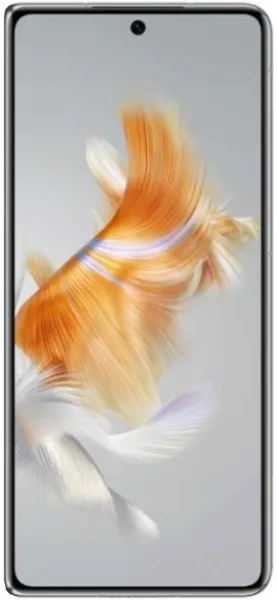
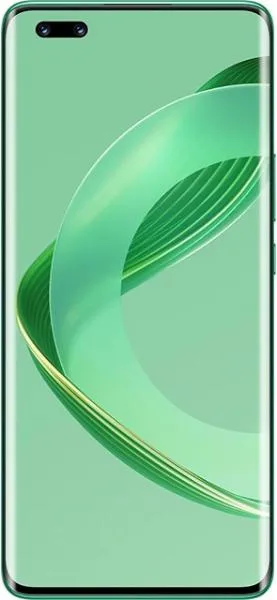
| Dimensions (mm) | 156.9 x 141.5 x 5.3 (folded) | 164.3 x 74.4 x 7.9 | Mate X3 significantly more compact when folded, but larger unfolded. Nova 11 Pro is a more traditional, thinner slab design. |
| Weight (g) | 239 | 188 | Mate X3 noticeably heavier due to folding mechanism and larger display. Nova 11 Pro easier for one-handed use. |
| Foldable | Yes | No | Mate X3 offers a larger screen real estate for multitasking and media consumption when unfolded. Nova 11 Pro offers a more pocketable design. |
| Display | |||
| Size (inches) | 7.85 (unfolded), ~6.4" (cover display) | 6.78 | Mate X3 provides a tablet-like experience when unfolded. Nova 11 Pro has a large, but standard smartphone display size. |
| Resolution (pixels) | 2224 x 2496 (unfolded) | 1200 x 2652 | Both offer sharp displays. Mate X3 has a higher resolution due to its larger unfolded size. |
| Refresh Rate (Hz) | 120 | 120 | Both offer smooth scrolling and animations. |
| Display Type | Foldable OLED | OLED | Mate X3's folding screen introduces a crease and potential durability concerns, but offers versatility. Nova 11 Pro has a traditional, robust OLED. |
| Performance | |||
| Chipset | Snapdragon 8+ Gen 1 4G | Snapdragon 778G 4G | Mate X3 offers significantly faster processing and graphics performance for demanding tasks and gaming. Nova 11 Pro provides good mid-range performance. |
| CPU | Octa-core (1x3.19 GHz X2 & 3x2.75 GHz A710 & 4x2.0 GHz A510) | Octa-core (4x2.4 GHz Kryo 670 & 4x1.8 GHz Kryo 670) | Mate X3's CPU architecture is superior, resulting in faster app loading, smoother multitasking, and better performance in demanding applications. |
| GPU | Adreno 730 | Adreno 642L | Mate X3's GPU provides a significant advantage in gaming and graphics-intensive tasks. |
| RAM (GB) | 8/12 | 6/8/12 | More RAM in higher-end configurations of both phones enables better multitasking. |
| Camera | |||
| Rear Camera (MP) | 50MP (Main) + 13MP (Ultrawide) + 12MP (Periscope Telephoto) | 50MP (Main) + 8MP (Ultrawide) | Mate X3 boasts a more versatile camera system with a periscope telephoto lens enabling superior zoom capabilities. Nova 11 Pro's camera setup is more basic. Detailed sensor specifications are missing for both phones, making a thorough comparison difficult. |
| Front Camera (MP) | 8MP | 60MP + 8MP | Nova 11 Pro features a higher resolution front camera setup for potentially better selfies. However, megapixels don't tell the whole story; sensor quality and software processing are crucial. |
| Battery | |||
| Capacity (mAh) | 4800 | 4500 | Mate X3 has a slightly larger battery, but the larger display may offset this advantage in real-world usage. Actual battery life depends heavily on usage patterns. |
2. Key Differences Analysis
Huawei Mate X3 Advantages:
- Foldable Design: Offers a larger screen for multitasking and media consumption.
- Flagship Performance: Snapdragon 8+ Gen 1 delivers top-tier speed and graphics.
- More Versatile Camera System: Periscope telephoto lens enables superior zoom capabilities.
Huawei nova 11 Pro Advantages:
- Lighter and More Pocketable: Easier for one-handed use and carrying.
- Lower Price: Significantly more affordable.
- Higher Resolution Selfie Camera: Potentially better for selfies and video calls. (Needs further sensor information to confirm)
Trade-offs:
- Mate X3: Higher price, heavier, potential durability concerns with foldable screen.
- Nova 11 Pro: Less powerful, less versatile camera system, no foldable screen.
3. User Profiles & Recommendations
Huawei Mate X3: Ideal for users who prioritize a large screen for productivity and media consumption, demand top-tier performance, and are willing to pay a premium for the foldable form factor. Use cases: Multitasking, media consumption, mobile gaming, content creation.
Huawei nova 11 Pro: Ideal for users who prioritize a lightweight and affordable phone with a good display and decent performance. Use cases: Everyday tasks, social media, web browsing, casual photography.
4. Decision Framework
Key Questions for Buyers:
- Budget: Are you willing to pay a premium for a foldable phone?
- Performance Needs: Do you require top-tier processing power for demanding tasks and gaming?
- Form Factor Preference: Do you prioritize a large, foldable screen or a more traditional, pocketable design?
My Choice:
I would choose the Huawei Mate X3. While the price is significantly higher, the foldable form factor and superior performance are compelling. The Snapdragon 8+ Gen 1 ensures a smooth and responsive experience for years to come, and the larger screen enhances productivity and media consumption. The versatility offered by the folding screen outweighs the added weight and potential durability concerns for my personal use case. I value having a powerful, portable device that can adapt to different needs throughout the day. While the Nova 11 Pro offers excellent value, the Mate X3's unique capabilities better suit my preference for cutting-edge technology and adaptable form factors.
