1. Specifications Comparison
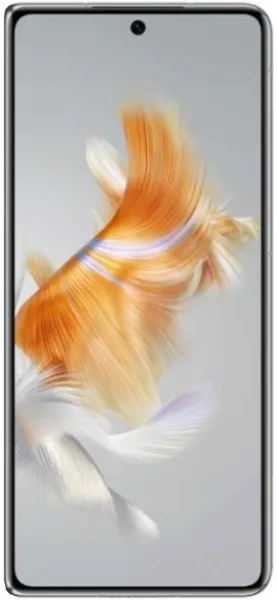
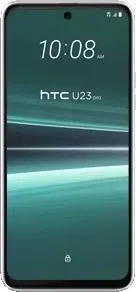
| Feature | Huawei Mate X3 | HTC U23 Pro | Practical Impact |
|---|---|---|---|
| Design | |||
| Dimensions (mm) | 156.9 x 141.5 x 5.3 (folded) | 166.6 x 77.1 x 8.9 | Mate X3 significantly thinner and potentially more pocketable when folded, but wider unfolded. U23 Pro is a traditional candybar design. |
| Weight (g) | 239 | 205 | Mate X3 heavier due to folding mechanism and larger display, noticeable in extended use. |
| Foldable | Yes | No | Mate X3 offers a larger screen real estate for multitasking and media consumption in a pocketable form factor. U23 Pro offers a more traditional smartphone experience. |
| Display | |||
| Display Size (inches) | 7.85 (unfolded) | 6.7 | Mate X3 provides a significantly larger screen for multitasking, media consumption, and productivity. |
| Resolution (px) | 2224 x 2496 | 1080 x 2400 | Mate X3 boasts a much sharper display with higher pixel density (426 ppi vs 393 ppi), resulting in crisper text and images. |
| Refresh Rate (Hz) | 120 | 120 | Both phones offer smooth scrolling and animations thanks to the 120Hz refresh rate. |
| Display Type | Foldable OLED | OLED | Mate X3's foldable OLED introduces a crease in the middle, potentially affecting viewing experience depending on content and usage. |
| Performance | |||
| Chipset | Snapdragon 8+ Gen 1 4G | Snapdragon 7 Gen 1 | Mate X3 utilizes a flagship processor, resulting in significantly faster performance for demanding tasks, gaming, and multitasking. U23 Pro offers mid-range performance suitable for everyday use. |
| CPU | Octa-core (1x3.19 GHz Cortex-X2 & 3x2.75 GHz Cortex-A710 & 4x2.0 GHz Cortex-A510) | Octa-core (1x2.4 GHz Cortex-A710 & 3x2.36 GHz Cortex-A710 & 4x1.8 GHz Cortex-A510) | Mate X3's CPU outperforms U23 Pro's in terms of clock speed and core configuration, leading to smoother and faster performance. |
| GPU | Adreno 730 | Adreno 644 | Mate X3's GPU offers superior graphics performance for gaming and visually demanding applications. |
| RAM (GB) | 8/12 | 12 | While both offer ample RAM, the Mate X3's 12GB option provides additional headroom for multitasking. |
| Camera | |||
| Main Camera (MP) | 50 | 108 | While U23 Pro has a higher megapixel count, Mate X3 utilizes a larger sensor (Sony IMX766), potentially resulting in better low-light performance and dynamic range. |
| Telephoto | Yes (5x Optical Zoom) | No dedicated telephoto | Mate X3 offers optical zoom for capturing distant subjects without quality loss. U23 Pro relies on digital zoom. |
| Battery | |||
| Capacity (mAh) | 4800 | 4600 | Similar battery capacities, but real-world battery life will depend on usage and software optimization. Mate X3's larger display may consume more power. |
2. Key Differences Analysis
Huawei Mate X3 Advantages:
- Superior Performance: Flagship chipset and higher RAM configuration deliver significantly faster and smoother performance for demanding tasks and gaming.
- Larger, Sharper Display: Foldable design offers a tablet-like experience with higher resolution and more screen real estate.
- Superior Camera System: While megapixel counts vary, the Mate X3 incorporates higher quality sensors and offers optical zoom capabilities.
HTC U23 Pro Advantages:
- Lower Price: Significantly more affordable than the Mate X3.
- Traditional Form Factor: Users who prefer a familiar smartphone experience without a folding screen may prefer the U23 Pro.
- Lighter Weight: Noticeably lighter than the Mate X3, making it more comfortable for extended use.
3. User Profiles & Recommendations
Huawei Mate X3: Ideal for power users, multitaskers, content creators, and those who value a large, high-quality display for productivity and entertainment on the go. Price is a secondary concern.
HTC U23 Pro: Suitable for budget-conscious users who prioritize affordability and a traditional smartphone experience. Best for everyday tasks like browsing, social media, and communication.
4. Decision Framework
Key Questions for Buyers:
- Budget: Is a premium price justifiable for the foldable form factor and flagship performance of the Mate X3?
- Usage: Do you prioritize multitasking, media consumption, and productivity on the go, or are your needs more basic?
- Form Factor Preference: Do you value the larger screen real estate and portability of a foldable phone, or prefer a traditional smartphone design?
My Choice:
I would choose the Huawei Mate X3. While significantly more expensive, the innovative foldable design, combined with the flagship performance and superior camera system, aligns better with my needs as a power user who values productivity and portability. I frequently multitask, consume media on the go, and appreciate the flexibility of a larger screen in a pocketable device. The price premium is justified for the significant jump in functionality and quality. The lack of readily available Google services might be a concern for some, but for my use case, it's not a deal-breaker.
