
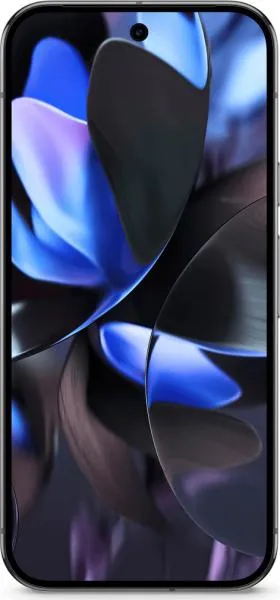
1. Specifications Comparison
| Feature | Huawei Mate X3 | Google Pixel 9 Pro XL | Practical Impact |
|---|---|---|---|
| Design | |||
| Dimensions (mm) | 156.9 x 141.5 x 5.3 (folded) | 162.8 x 76.6 x 8.5 | Mate X3 significantly thinner and potentially more pocketable when folded, but wider unfolded. Pixel 9 Pro XL is a more traditional candybar design. |
| Weight (g) | 239 | 221 | Mate X3 surprisingly lighter despite foldable design. |
| Foldable | Yes | No | Mate X3 offers a larger screen real estate for multitasking and media consumption when unfolded. Pixel 9 Pro XL offers a more traditional smartphone experience. |
| Display | |||
| Size (inches) | 7.85 (unfolded), ~6.4" (external) | 6.8 | Mate X3 provides a tablet-like experience when unfolded. Pixel 9 Pro XL has a large, but standard smartphone screen size. |
| Resolution (px) | 2224 x 2496 (unfolded), 1080 x 2504 (external) | 1344 x 2992 | Both offer sharp displays, but the Pixel 9 Pro XL has a slightly higher pixel density (486 vs 426 ppi), potentially resulting in slightly sharper text and images. |
| Refresh Rate (Hz) | 120 | 120 | Both offer smooth scrolling and animations. |
| Display Type | Foldable OLED | LTPO OLED | Pixel's LTPO panel allows for more granular refresh rate control, potentially saving battery life. Mate X3's external display specs are unclear regarding LTPO. |
| Peak Brightness (nits) | Unspecified | 3000 | Pixel 9 Pro XL's superior peak brightness ensures better visibility in direct sunlight. Missing peak brightness for the Mate X3 limits comparison. |
| Performance | |||
| Chipset | Snapdragon 8+ Gen 1 4G (4 nm) | Google Tensor G4 (4 nm) | Both are high-end chipsets, but Tensor G4 is newer and likely more powerful. However, real-world performance depends on optimization. |
| CPU | Octa-core (1x3.19 GHz X2 & 3x2.75 GHz A710 & 4x2.0 GHz A510) | Octa-core (1x3.1 GHz X4 & 3x2.6 GHz A720 & 4x1.92 GHz A520) | Tensor G4 has a newer Cortex-X4 core potentially offering better peak performance. |
| GPU | Adreno 730 | Mali-G715 MC7 | Adreno 730 generally offers strong gaming performance. Performance comparison with Mali-G715 MC7 requires real-world benchmarks. |
| RAM | 8/12GB | 16GB | Pixel 9 Pro XL offers more RAM, enabling better multitasking and app retention. |
| Camera | |||
| Main Camera (MP) | 50 | 50 | Comparable resolution. Pixel's computational photography prowess is well-regarded. Missing sensor details for Mate X3 hinders in-depth comparison. |
| Telephoto | Yes (5x Optical) | Yes (5x Optical) | Similar optical zoom capabilities. Hybrid zoom details for Pixel are unclear. |
| Ultrawide | Yes | Yes | Both have ultrawide cameras. Detailed specifications (sensor size, aperture) are needed for a thorough comparison. |
| Video | Up to 4K@60fps with EIS | Up to 8K@30fps with HDR, OIS, EIS | Pixel 9 Pro XL offers higher resolution video recording. |
| Battery | |||
| Capacity (mAh) | 4800 | 5060 | Pixel 9 Pro XL has a larger battery capacity, potentially offering longer battery life. Real-world usage will vary. |
2. Key Differences Analysis
Huawei Mate X3 Advantages:
- Foldable Design: Offers a larger screen for multitasking and media consumption.
- Thinner and Lighter: More portable than expected for a foldable.
Google Pixel 9 Pro XL Advantages:
- Newer and More Powerful Chipset: Likely better performance in demanding tasks and gaming.
- More RAM: Superior multitasking and app retention.
- Higher Resolution Video Recording: 8K@30fps capability.
- Larger Battery: Potentially longer battery life.
- Brighter Display: Improved outdoor visibility.
- Software Updates: Pixel phones typically receive longer and more frequent software updates compared to Huawei devices.
3. User Profiles & Recommendations
Huawei Mate X3: Users who prioritize portability and a large screen for productivity and entertainment on the go. Ideal for those who value a unique form factor.
Google Pixel 9 Pro XL: Users who prioritize performance, camera quality, long battery life, and a robust software experience. Ideal for power users, photographers, and videographers.
4. Decision Framework
Key Questions for Buyers:
- Form Factor: Do you prioritize a foldable design for its larger screen and portability benefits, or do you prefer a traditional smartphone experience?
- Performance and Features: Do you need the absolute best performance, camera, and battery life, or is a good balance of features sufficient?
- Software and Ecosystem: How important are regular software updates, Google services integration, and app availability?
My Choice: Google Pixel 9 Pro XL
While the Huawei Mate X3's foldable design is intriguing, the Pixel 9 Pro XL offers a more well-rounded package for my needs. The newer processor, more generous RAM, brighter display, larger battery, and superior camera capabilities (especially video) are compelling advantages. Additionally, the Pixel's consistent software updates and seamless integration with Google services are crucial for me. While the Mate X3 is lighter than expected, the overall bulk of a foldable and the uncertainty surrounding software updates make the Pixel 9 Pro XL a more compelling choice. The price difference, while not insignificant, is justified by the Pixel's superior feature set in my opinion. I value a reliable and future-proof device, and the Pixel 9 Pro XL aligns better with these priorities.
