
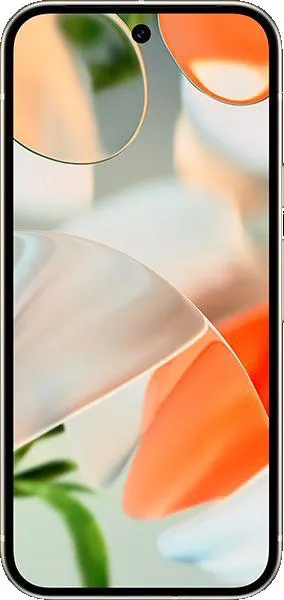
1. Specifications Comparison
| Feature | Huawei Mate X3 | Google Pixel 9 | Practical Impact |
|---|---|---|---|
| Design | |||
| Dimensions (mm) | 156.9 x 141.5 x 5.3 (folded) | 152.8 x 72 x 8.5 | Mate X3 significantly larger unfolded, Pixel 9 much more pocketable when folded. |
| Weight (g) | 239 | 198 | Mate X3 noticeably heavier due to folding mechanism and larger display. |
| Foldable | Yes | No | Mate X3 offers a larger screen for multitasking and media consumption but with added bulk. |
| Display | |||
| Size (inches) | 7.85 (unfolded), ~6.4" (folded - estimated based on dimensions) | 6.3 | Mate X3 provides a significantly larger screen real estate when unfolded, beneficial for productivity and media. |
| Resolution (px) | 2224 x 2496 | 1080 x 2424 | Mate X3 has a sharper display, especially noticeable when unfolded. Pixel 9's resolution is standard for its size. |
| Refresh Rate (Hz) | 120 | 120 | Both offer smooth scrolling and animations. |
| Display Type | Foldable OLED | OLED | Mate X3's foldable OLED introduces a crease and potential durability concerns, while Pixel 9 uses a standard, robust OLED panel. |
| Peak Brightness (nits) | Not specified | Up to 2700 | Pixel 9's high peak brightness ensures excellent outdoor visibility. Missing data for Mate X3 limits comparison. |
| Performance | |||
| Chipset | Snapdragon 8+ Gen 1 4G (4 nm) | Google Tensor G4 (4 nm) | Both are high-end chipsets from the previous generation, but Tensor G4 is optimized for AI and machine learning tasks, potentially offering a smoother software experience and unique features. Snapdragon 8+ Gen 1 may have a slight edge in raw performance. |
| CPU | Octa-core (1x3.19 GHz X2 & 3x2.75 GHz A710 & 4x2.0 GHz A510) | Octa-core (1x3.1 GHz X4 & 3x2.6 GHz A720 & 4x1.92 GHz A520) | Comparable CPU configurations, though architectural differences exist. Real-world performance differences likely minimal for average users. |
| GPU | Adreno 730 | Mali-G715 MC7 | Adreno 730 generally considered stronger for gaming. |
| RAM | 8/12GB | 12GB | Pixel 9 offers more RAM in the analyzed configuration, potentially improving multitasking performance. |
| Camera | |||
| Main Camera (MP) | 50 | 50 | Comparable resolution, but sensor size and other factors affect image quality. Detailed comparison limited by missing sensor information for Pixel 9's wide-angle camera. |
| Wide Angle (MP) | 12 | 48 | Pixel 9 boasts a higher resolution ultrawide, potentially capturing more detail. |
| Telephoto (MP) | 16 | Not specified | Mate X3 offers optical zoom capabilities, absent in the listed Pixel 9 specifications. |
| Battery | |||
| Capacity (mAh) | 4800 | 4700 | Similar battery capacities. Real-world battery life depends on usage and software optimization. |
2. Key Differences Analysis
Huawei Mate X3 Advantages:
- Larger, Foldable Display: Significantly larger screen real estate for multitasking, media consumption, and immersive experiences.
- Higher Resolution Display: Sharper visuals compared to the Pixel 9.
- Telephoto Lens: Offers optical zoom for versatile photography.
Google Pixel 9 Advantages:
- More Compact and Lighter: Easier to carry and use one-handed.
- Potentially Better Software Experience: Tensor G4 is optimized for AI and machine learning, offering unique features and potentially smoother performance.
- 5G Connectivity: Supports faster cellular data speeds. Mate X3 only supports 4G.
- Lower Price: Pixel 9 falls in a lower price range, offering potentially better value.
- Higher Resolution Ultrawide Camera: Captures wider scenes with more detail.
Trade-offs:
- Mate X3: Larger size and weight for the foldable screen. Potential durability concerns related to the folding mechanism. Higher price. Lack of 5G. Uncertainty surrounding OS updates and app availability due to Huawei's situation with Google services.
- Pixel 9: Smaller screen compared to unfolded Mate X3. Lacks a telephoto lens for optical zoom.
3. User Profiles & Recommendations
Huawei Mate X3: Users who prioritize a large screen for productivity, media consumption, and immersive experiences. Those comfortable with the larger size and weight trade-off for the foldable form factor.
Google Pixel 9: Users who value a compact and lightweight phone with a smooth software experience and excellent camera capabilities. Those seeking a balance between performance, features, and price.
4. Decision Framework
Key Questions:
- How important is screen size and foldability? If a large screen for multitasking and media is paramount, the Mate X3 is the clear choice. If portability is key, the Pixel 9 is better.
- What is your budget? The Mate X3 is significantly more expensive.
- Which software ecosystem do you prefer? Pixel 9 offers the full Google experience, while the Mate X3 has limitations due to lack of Google Mobile Services.
Scenario-Based Recommendations:
- Frequent traveler: Pixel 9 for its portability, 5G connectivity, and all-day battery life.
- Business professional: Mate X3 for its large screen for multitasking and presentations, assuming compatibility with required apps.
- Content creator: Pixel 9 for its excellent camera system and software features tailored for content creation.
My Choice: Google Pixel 9
While the Mate X3's foldable screen is impressive, the Pixel 9 offers a more compelling package for my needs. I prioritize a smooth software experience, excellent camera quality, 5G connectivity, and portability. The Pixel 9's lower price and the uncertainties surrounding Huawei's app ecosystem further solidify my choice. The Tensor G4's AI capabilities and optimizations are also appealing. While I acknowledge the Mate X3's advantages in screen size and sharpness, the Pixel 9's overall balance of features, performance, and price makes it the better option for me. The lack of a telephoto lens on the Pixel 9 is a drawback, but the superior ultrawide and overall camera performance compensate for this in my opinion.
