1. Specifications Comparison
| Feature | Huawei Mate X3 | Google Pixel 8 | Practical Impact |
|---|---|---|---|
| Design | |||
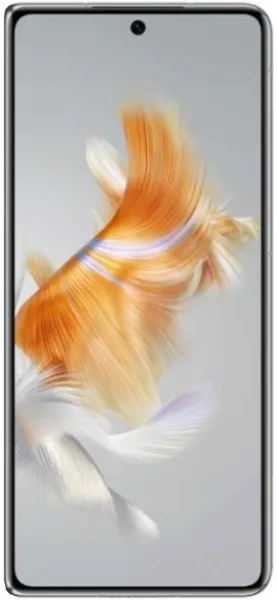
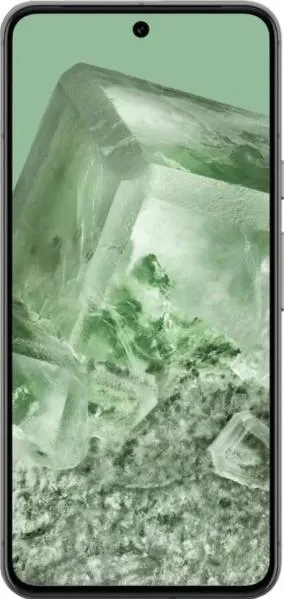
| Dimensions (mm) | 156.9 x 141.5 x 5.3 (folded) | 150.5 x 70.8 x 8.9 | Mate X3 significantly thinner when folded, but larger unfolded. Pixel 8 more pocketable. |
| Weight (g) | 239 | 187 | Pixel 8 noticeably lighter for everyday use. |
| Foldable | Yes | No | Mate X3 offers a larger screen real estate for multitasking and media consumption but introduces a potential point of failure. |
| Display | |||
| Size (inches) | 7.85 (unfolded), ~6.4" (outer) | 6.2 | Mate X3 provides a significantly larger main display for productivity and immersive experiences. Pixel 8 has a more manageable one-handed size. |
| Resolution (px) | 2224 x 2496 (unfolded), 1080 x 2504 (outer) | 1080 x 2400 | Both offer sharp displays, but Mate X3 boasts higher resolution, especially when unfolded. |
| Refresh Rate (Hz) | 120 | 120 | Both offer smooth scrolling and animations. |
| Peak Brightness (nits) | Not specified | 2000 | Pixel 8's superior peak brightness ensures better visibility in direct sunlight. Missing data for Mate X3 prevents a complete comparison. |
| Performance | |||
| Chipset | Snapdragon 8+ Gen 1 4G | Google Tensor G3 | Tensor G3 is newer, potentially offering better AI processing and power efficiency, but benchmarks are needed for definitive performance comparison. |
| CPU | Octa-core (1x3.19 GHz X2 & 3x2.75 GHz A710 & 4x2.0 GHz A510) | Nona-core (1x3.0 GHz X3 & 4x2.45 GHz A715 & 4x2.15 GHz A510) | Both CPUs are powerful; architectural differences may favor Tensor G3 in specific tasks. Real-world performance comparisons are needed. |
| GPU | Adreno 730 | Immortalis-G715s MC10 | Immortalis-G715s is expected to offer improved graphics performance, but real-world gaming tests are required for confirmation. |
| RAM (GB) | 8/12 | 8 | Both offer ample RAM for multitasking, although the Mate X3 has a 12GB option for even more demanding users. |
| Camera | |||
| Main Camera (MP) | 50 | 50 | Comparable resolution; image quality depends on sensor size, processing, and other factors. |
| Sensor Size | 1/1.56" (Main) | 1/1.31" (Main) | Pixel 8's larger main sensor potentially captures more light, improving low-light performance. |
| Video Capabilities | Up to 4K@60fps with EIS | Up to 4K@60fps with HDR, OIS, EIS | Pixel 8 adds HDR video recording for improved dynamic range. |
| Battery | |||
| Capacity (mAh) | 4800 | 4575 | Mate X3 has a slightly larger battery, but real-world battery life depends on various factors like display size and software optimization. |
2. Key Differences Analysis
Huawei Mate X3 Advantages:
- Larger, Foldable Display: Offers unparalleled multitasking and immersive media consumption.
- Higher Resolution Display: Sharper visuals for detail-oriented tasks.
- Potentially Longer Battery Life: Slightly larger battery capacity.
Google Pixel 8 Advantages:
- More Compact and Lighter: Easier to carry and use with one hand.
- Brighter Display: Enhanced outdoor visibility.
- Newer Chipset and GPU: Potentially better performance and AI processing.
- HDR Video Recording: Improved dynamic range in videos.
- Lower Price: Offers better value for money for most users.
- 5G Connectivity: Future-proofed for faster mobile data speeds.
Trade-offs:
- Mate X3: Higher price, potential durability concerns due to foldable design, lack of 5G.
- Pixel 8: Smaller screen, no foldable functionality.
3. User Profiles & Recommendations
Huawei Mate X3: Ideal for power users, multitaskers, and content creators who prioritize a large, high-quality display and are willing to pay a premium.
Google Pixel 8: Suitable for most users who want a powerful, well-rounded smartphone with a great camera and clean software experience at a more affordable price.
4. Decision Framework
Key Questions:
- Is a foldable screen essential? If yes, the Mate X3 is the only option.
- What is your budget? The Pixel 8 offers significantly better value.
- Do you prioritize portability or screen size? The Pixel 8 is more pocketable, while the Mate X3 offers a larger canvas.
Scenario-Based Recommendations:
- Limited Budget: Pixel 8
- Frequent Multitasking: Mate X3
- Emphasis on Portability: Pixel 8
- Cutting-Edge Technology Enthusiast: Consider waiting for comprehensive reviews of both phones.
My Choice: Google Pixel 8
While the Huawei Mate X3's foldable screen is impressive, the Pixel 8 offers a more compelling overall package for my needs. The lower price, lighter weight, excellent camera, brighter display, newer chipset with 5G connectivity, and clean Android experience outweigh the benefits of a foldable screen for my daily use. I value portability and software experience, and the Pixel 8 delivers in these areas. The lack of concrete information regarding the Mate X3's display brightness and the absence of 5G are also significant drawbacks. Finally, the Pixel's strong reputation for camera performance and software updates makes it a reliable long-term choice.
