
1. Specifications Comparison
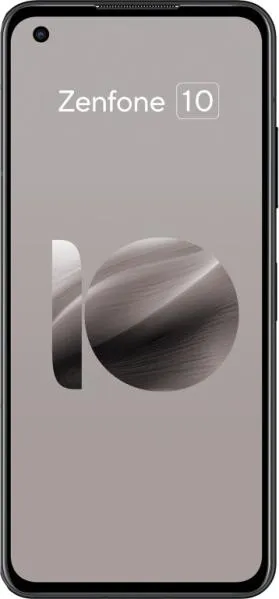
| Feature | Huawei Mate X3 | Asus Zenfone 10 | Practical Impact | |||||
|---|---|---|---|---|---|---|---|---|
| Design | ||||||||
| Dimensions (mm) | 156.9 x 141.5 x 5.3 (folded) | 146.5 x 68.1 x 9.4 | Mate X3 significantly larger unfolded, but thinner and lighter when folded. Zenfone 10 is more pocketable for everyday use. | |||||
| Weight (g) | 239 | 172 | Zenfone 10 noticeably lighter for one-handed use and extended carrying. | |||||
| Foldable | Yes | No | Mate X3 offers a larger screen real estate for multitasking and media consumption, transforming into a tablet-like device. Zenfone 10 offers a traditional smartphone form factor. | |||||
| Display | ||||||||
| Display Size (inches) | 7.85 (unfolded) | 5.92 | Mate X3 provides a significantly larger display area when unfolded. | |||||
| Resolution (px) | 2224 x 2496 | 1080 x 2400 | Mate X3 boasts a higher resolution, resulting in sharper images and text. However, the difference might not be noticeable in everyday use due to Zenfone 10's smaller screen size and high pixel density. | |||||
| Refresh Rate (Hz) | 120 | 144 | Zenfone 10's higher refresh rate provides smoother animations and scrolling, especially noticeable in gaming and fast-paced content. | |||||
| Display Type | Foldable OLED | Super AMOLED | Both offer vibrant colors and deep blacks. Mate X3's foldable nature introduces a crease, while Zenfone 10's display is flat. | |||||
| Performance | ||||||||
| Chipset | Snapdragon 8+ Gen 1 4G | Snapdragon 8 Gen 2 | Zenfone 10 features a newer and more powerful processor, resulting in faster performance, improved efficiency, and better thermal management. | |||||
| CPU | Octa-core (1x3.19 GHz Cortex-X2 & 3x2.75 GHz Cortex-A710 & 4x2.0 GHz Cortex-A510) | Octa-core (1x3.2 GHz Cortex-X3 & 2x2.8 GHz Cortex-A715 & 2x2.8 GHz Cortex-A710 & 3x2.0 GHz Cortex-A510) | Zenfone 10 has a newer CPU architecture leading to better performance. | |||||
| GPU | Adreno 730 | Adreno 740 | Zenfone 10's GPU provides a significant boost in graphics performance for demanding games and applications. | |||||
| RAM | 8GB/12GB | 8GB/16GB | Both offer ample RAM for most users, though the Zenfone 10's 16GB option provides additional headroom for heavy multitasking. | |||||
| Camera | ||||||||
| Main Camera (MP) | 50 | 50 | Both utilize a 50MP Sony IMX766 sensor, suggesting comparable image quality in ideal conditions. Real-world performance will depend on image processing. | |||||
| Telephoto Lens | Yes (5x optical zoom) | No dedicated telephoto lens | Mate X3 offers superior zoom capabilities. Zenfone 10 relies on digital zoom, resulting in lower quality at higher magnification levels. | |||||
| Video Capabilities | Up to 4K@60fps | Up to 8K@24fps | Zenfone 10 can record higher resolution video, but practical benefits are limited by factors like storage space and playback devices. | Battery | ||||
| Capacity (mAh) | 4800 | 4300 | Mate X3 has a slightly larger battery capacity, but real-world battery life depends on usage patterns and software optimization. The larger display of the Mate X3 will likely consume more power. |
2. Key Differences Analysis
Huawei Mate X3 Advantages:
- Larger, Foldable Display: Offers a unique, expansive screen for multitasking and media consumption.
- Superior Zoom Capabilities: 5x optical zoom provides significantly better image quality at higher magnifications.
Asus Zenfone 10 Advantages:
- More Powerful Performance: Newer chipset and GPU deliver faster and smoother overall performance.
- Higher Refresh Rate Display: Smoother scrolling and animations for a more responsive user experience.
- More Compact and Lighter: Easier to handle and carry for everyday use.
- Lower Price: Offers significantly better value for its performance.
3. User Profiles & Recommendations
Huawei Mate X3: Ideal for users who prioritize a large screen experience and value the flexibility of a foldable device. Suitable for multitasking, media consumption, and productivity on the go.
Asus Zenfone 10: Best suited for users who prefer a compact, powerful smartphone with a smooth display. Excellent for gaming, everyday use, and those seeking a balance of performance and portability.
4. Decision Framework
Key Questions for Buyers:
- How important is screen size and foldability? If a large, flexible display is a priority, the Mate X3 is the clear choice.
- What is your budget? The Zenfone 10 offers significantly better value in terms of performance per dollar.
- What are your primary use cases? For demanding tasks like gaming, the Zenfone 10's superior performance is advantageous. For multitasking and media consumption, the Mate X3's foldable screen excels.
My Choice: Asus Zenfone 10
While the Huawei Mate X3's foldable design is impressive, the Asus Zenfone 10 offers a more compelling package for my needs. The significantly faster performance, smoother display, more compact form factor, and lower price make it a clear winner. I prioritize daily usability, performance, and value, and the Zenfone 10 excels in these areas. While the Mate X3 offers a unique experience with its foldable screen, the performance gap and price difference are significant factors in my decision. The lack of readily available Google services on the Huawei device would also significantly impact my usage. The Zenfone 10 provides a well-rounded, powerful experience in a package that's easier to carry and use daily.
