
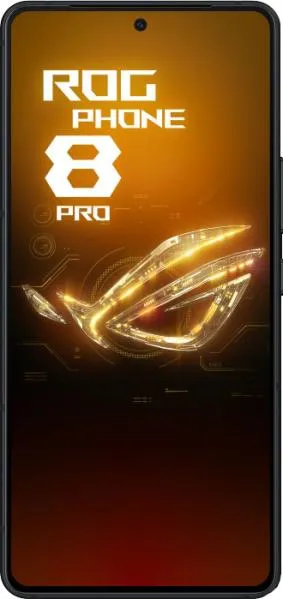
1. Specifications Comparison
| Feature | Huawei Mate X3 | Asus ROG Phone 8 Pro | Practical Impact |
|---|---|---|---|
| Design | |||
| Dimensions (mm) | 156.9 x 141.5 x 5.3 (folded) | 163.8 x 76.8 x 8.9 | Mate X3 significantly thinner and more compact when folded, but larger unfolded. ROG Phone 8 Pro is thicker and heavier, typical for gaming phones. |
| Weight (g) | 239 | 225 | Despite larger size, Mate X3 is slightly lighter. ROG Phone 8 Pro's weight is noticeable but common for its category. |
| Foldable | Yes | No | Mate X3 offers a larger screen real estate and portability advantage. ROG Phone 8 Pro provides a traditional smartphone form factor. |
| Display | |||
| Size (inches) | 7.85 (unfolded), ~6.4" (outer) | 6.78 | Mate X3 offers a substantially larger main display for multitasking and media consumption. ROG Phone 8 Pro's display is large for a traditional phone. |
| Resolution (pixels) | 2224 x 2496 (unfolded) 1080 x 2504 (outer) | 1080 x 2400 | Mate X3 boasts a sharper display, especially when unfolded. ROG Phone 8 Pro has a lower resolution given its size, but still acceptable. |
| Refresh Rate (Hz) | 120 | 165 | ROG Phone 8 Pro provides smoother animations and scrolling, crucial for gaming. Mate X3's 120Hz is still excellent for most users. |
| Display Type | Foldable OLED | LTPO AMOLED | Both offer vibrant colors and deep blacks. LTPO on ROG Phone 8 Pro allows for dynamic refresh rate adjustment, saving battery. |
| Performance | |||
| Chipset | Snapdragon 8+ Gen 1 4G | Snapdragon 8 Gen 3 | ROG Phone 8 Pro features a newer, more powerful, and power-efficient chipset resulting in significantly better performance. |
| CPU | Octa-core (up to 3.19 GHz) | Octa-core (up to 3.3 GHz) | ROG Phone 8 Pro has a faster CPU, offering a performance edge in demanding tasks and gaming. |
| GPU | Adreno 730 | Adreno 750 | ROG Phone 8 Pro's superior GPU provides a noticeable advantage in graphics-intensive applications and games. |
| RAM | 8GB/12GB | 16GB/24GB | ROG Phone 8 Pro offers significantly more RAM, enabling smoother multitasking and better handling of demanding applications. |
| Camera | |||
| Main Camera (MP) | 50 | 50 | Comparable main camera resolution. Image quality will depend on sensor and processing. |
| Telephoto (MP) | 16 | 32 | ROG Phone 8 Pro offers a higher resolution telephoto lens, enabling better zoom capabilities. |
| Ultrawide (MP) | 12 | 13 | Similar ultrawide capabilities. Practical difference likely minimal. |
| Video | Up to 4K@60fps | Up to 8K@24fps | ROG Phone 8 Pro supports higher resolution video recording. |
| Battery | |||
| Capacity (mAh) | 4800 | 5500 | ROG Phone 8 Pro has a significantly larger battery capacity, likely resulting in longer battery life. |
2. Key Differences Analysis
Huawei Mate X3 Advantages:
- Form Factor: Foldable design offers unmatched portability and a larger screen when needed.
- Lighter: Surprisingly lighter than the ROG Phone 8 Pro despite the larger unfolded screen.
Asus ROG Phone 8 Pro Advantages:
- Performance: Significantly more powerful CPU, GPU, and more RAM for superior gaming and multitasking.
- Display: Higher refresh rate (165Hz) for smoother visuals in games. LTPO panel for better battery efficiency.
- Battery: Larger battery capacity for extended usage.
- Connectivity: 5G connectivity, WiFi 7 and newer Bluetooth version.
3. User Profiles & Recommendations
Huawei Mate X3: Ideal for users who prioritize portability and a large screen for productivity and media consumption on the go. Business professionals, content creators, and those who value a unique form factor would benefit.
Asus ROG Phone 8 Pro: Designed for mobile gamers and power users who demand top-tier performance. Content creators who need processing power and those who value the latest connectivity technology would also appreciate this phone.
4. Decision Framework
Key Questions for Buyers:
- How important is portability and screen size? A foldable phone offers unique advantages in these areas.
- Is top-tier performance a priority? The ROG Phone 8 Pro excels in gaming and demanding tasks.
- What is your budget? The Mate X3 falls into a higher price bracket.
My Choice: Asus ROG Phone 8 Pro
While the Huawei Mate X3's foldable design is incredibly appealing, the Asus ROG Phone 8 Pro offers a more well-rounded package for my needs. The significantly improved performance, larger battery, newer connectivity, and higher refresh rate display are compelling advantages. While I appreciate the Mate X3's portability, the performance difference and future-proofing offered by the ROG Phone 8 Pro make it the better choice for me. I value a smooth and fast user experience, and the ROG Phone 8 Pro's superior hardware ensures that. Although I acknowledge the higher price point of the Mate X3, the ROG Phone 8 Pro provides better value for its "medium price" designation within the context of its superior specifications.
