
1. Specifications Comparison
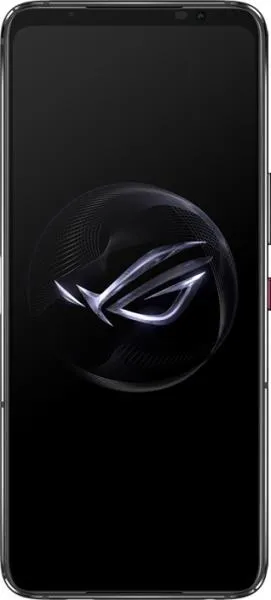
| Feature | Huawei Mate X3 | Asus ROG Phone 7 | Practical Impact |
|---|---|---|---|
| Design | |||
| Form Factor | Foldable | Traditional Slab | Mate X3 offers a larger screen in a pocketable size when folded, while ROG Phone 7 prioritizes ergonomics for one-handed use. |
| Dimensions (mm) | 156.9 x 141.5 x 5.3 (unfolded) | 173 x 77 x 10.3 | Mate X3 is significantly thinner and potentially more pocketable when folded, but wider unfolded. ROG Phone 7 is thicker and heavier but easier to hold in one hand. |
| Weight (g) | 239 | 239 | Despite different form factors, both phones weigh the same. |
| Display | |||
| Size (inches) | 7.85 (unfolded), ~6.4 (folded - estimated based on outer screen diagonal) | 6.78 | Mate X3 provides a significantly larger screen real estate when unfolded for multitasking and media consumption, but ROG Phone 7's screen is always available without unfolding. |
| Resolution (px) | 2224 x 2496 (unfolded) | 1080 x 2448 | Mate X3 offers a higher resolution, especially beneficial in unfolded mode. ROG Phone 7 has a lower resolution but still sharp due to smaller screen size. |
| Refresh Rate (Hz) | 120 | 165 | ROG Phone 7 provides a noticeably smoother experience for gaming and scrolling due to its higher refresh rate. |
| Panel Type | Foldable OLED | AMOLED | Both offer vibrant colors and deep blacks. Mate X3's foldable display introduces a crease but allows for unique usage scenarios. |
| Performance | |||
| Chipset | Snapdragon 8+ Gen 1 4G | Snapdragon 8 Gen 2 | ROG Phone 7 benefits from the newer and more powerful Snapdragon 8 Gen 2, resulting in better performance and efficiency. |
| CPU | Octa-core (up to 3.19 GHz) | Octa-core (up to 3.2 GHz) | Both offer high-end performance, but ROG Phone 7's slightly faster CPU and newer architecture give it an edge. |
| GPU | Adreno 730 | Adreno 740 | ROG Phone 7's Adreno 740 GPU offers improved graphics performance compared to Mate X3's Adreno 730, especially noticeable in demanding games. |
| RAM | 8/12GB | 8/12/16GB | Both offer ample RAM for multitasking, with ROG Phone 7 having a 16GB option for extreme performance needs. |
| Camera | |||
| Main Camera (MP) | 50 | 50 | Both use the Sony IMX766 sensor, suggesting comparable image quality in ideal conditions. Real-world performance will depend on image processing. |
| Ultrawide (MP) | 12 | 13 | Minor difference in resolution; practical impact depends on lens quality and software processing. |
| Telephoto (MP) | 16 | 5 (Macro) | Mate X3 offers a dedicated telephoto lens for optical zoom, while ROG Phone 7 has a macro lens for close-up shots. |
| Battery | |||
| Capacity (mAh) | 4800 | 6000 | ROG Phone 7 has a significantly larger battery capacity, likely resulting in longer battery life. |
2. Key Differences Analysis
Huawei Mate X3 Advantages:
- Foldable Form Factor: Offers a large screen in a compact device.
- Higher Resolution Display:Sharper visuals, especially in unfolded mode.
Asus ROG Phone 7 Advantages:
- Superior Performance: Newer, more powerful chipset and GPU.
- Higher Refresh Rate Display: Smoother user experience for gaming and scrolling.
- Larger Battery: Potentially significantly longer battery life.
- 5G Connectivity: While not explicitly stated for the Mate X3, the ROG Phone 7 clearly supports 5G, offering faster data speeds where available.
- More Robust OS Update Path: ROG Phone 7 comes with Android 13 and has a confirmed update path to Android 15, suggesting longer software support compared to the Mate X3, for which OS details are lacking.
Trade-offs:
- Mate X3: Potentially higher price, crease in the folding display, durability concerns associated with foldable phones, lack of clear information regarding OS updates.
- ROG Phone 7: Larger and heavier, lower resolution display, gaming-centric design might not appeal to all users.
3. User Profiles & Recommendations
Huawei Mate X3: Users who prioritize portability and a large screen for productivity and media consumption on the go. Ideal for those who value the novelty and flexibility of a foldable device.
Asus ROG Phone 7: Mobile gamers, power users, and those who demand top-tier performance. Also suitable for users who prioritize long battery life and the latest connectivity options.
4. Decision Framework
Key Questions:
- How important is portability and a large screen?
- Is top-tier gaming performance and long battery life a priority?
- What is your budget and how much value do you place on the foldable form factor?
Scenario-Based Recommendations:
- Frequent Traveler: Mate X3 for its compact folded size and large unfolded screen for entertainment during long journeys.
- Mobile Gamer: ROG Phone 7 for its superior performance, high refresh rate display, and long battery life.
- Business Professional: Mate X3 for multitasking and productivity on a larger screen, but consider the ROG Phone 7 if battery life and connectivity (5G) are critical.
My Choice: Asus ROG Phone 7
While the Mate X3's foldable design is intriguing, the ROG Phone 7's superior performance, longer battery life, confirmed OS updates, and 5G connectivity make it a more compelling choice for my needs. I prioritize a smooth and responsive user experience, long-lasting battery, and future-proofing through software updates. The gaming-centric features are a bonus, even if I'm not a hardcore gamer, as they translate to a generally faster and more capable device. The lack of OS details for the Mate X3 is a significant concern. Although both phones are in the "high price" range, the ROG Phone 7 appears to offer better value given its superior specifications and feature set. The foldable form factor of the Mate X3, while innovative, doesn't outweigh the practical advantages of the ROG Phone 7 for my personal use.
