
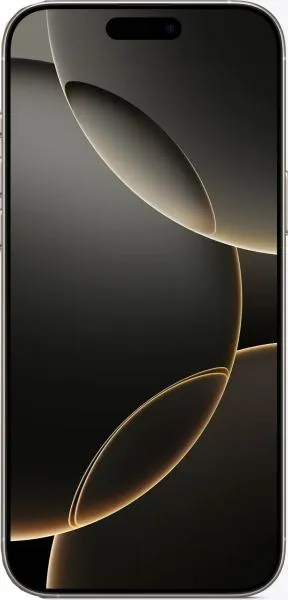
1. Specifications Comparison
| Feature | Huawei Mate X3 | Apple iPhone 16 Pro Max | Practical Impact |
|---|---|---|---|
| Design | |||
| Dimensions (mm) | 156.9 x 141.5 x 5.3 (folded) | 163 x 77.6 x 8.3 | Mate X3 significantly thinner when folded, but larger unfolded. iPhone 16 Pro Max more pocketable in daily use. |
| Weight (g) | 239 | 227 | Negligible weight difference in practical use. |
| Foldable | Yes | No | Mate X3 offers larger screen real estate for multitasking and media consumption but introduces potential durability concerns. |
| Display | |||
| Size (inches) | 7.85 (unfolded), ~6.4" (outer) | 6.9 | Mate X3 provides a substantially larger main display for productivity and immersion. |
| Resolution (px) | 2224 x 2496 (unfolded) 1080 x 2504 (outer) | 1320 x 2868 | Comparable sharpness despite resolution differences due to varying screen sizes. iPhone slightly sharper due to higher pixel density. |
| Refresh Rate (Hz) | 120 | 120 | Both offer smooth scrolling and animations. |
| Display Type | Foldable OLED | LTPO Super Retina XDR OLED | iPhone's LTPO display allows for dynamic refresh rate adjustment, potentially saving battery. |
| Performance | |||
| Chipset | Snapdragon 8+ Gen 1 4G (4 nm) | Apple A18 Pro (3 nm) | A18 Pro likely offers significant performance and efficiency advantages due to newer architecture and manufacturing process. |
| CPU | Octa-core (1x3.19 GHz Cortex-X2 & 3x2.75 GHz Cortex-A710 & 4x2.0 GHz Cortex-A510) | Hexa-core (2x4.05 GHz + 4x2.42 GHz) | A18 Pro expected to outperform in both single-core and multi-core tasks. Clock speed comparison not directly applicable due to architectural differences. |
| GPU | Adreno 730 | Apple GPU (6-core) | Apple's custom GPU expected to provide superior graphics performance, especially in gaming and demanding applications. |
| RAM | 12GB (Top Model) | 8GB | More RAM in the Mate X3 could benefit multitasking, but iOS's memory management might mitigate this advantage. |
| Camera | |||
| Rear Cameras | 50MP Main, 12MP Ultrawide, 16MP Telephoto | 48MP Main, 48MP Ultrawide, 12MP Telephoto, ToF 3D | Both offer versatile camera systems. iPhone adds a ToF sensor for improved depth sensing in AR applications and photography. Specific sensor models suggest potential advantages for iPhone in low light and detail. |
| Video Capabilities | Up to 4K@60fps with EIS | Up to 4K@120fps with HDR | iPhone offers higher frame rate video recording options for smoother slow-motion and action shots. HDR video on iPhone provides wider dynamic range. |
| Battery | |||
| Capacity (mAh) | 4800 | 4685 | Similar battery capacities. Real-world battery life will depend on usage and software optimization. |
2. Key Differences Analysis
Huawei Mate X3 Advantages:
- Larger, Foldable Display: Offers significantly more screen real estate for multitasking, media consumption, and immersive experiences.
- Higher RAM: Potentially smoother multitasking, though iOS's memory management could minimize this difference.
Apple iPhone 16 Pro Max Advantages:
- Superior Performance: A18 Pro chip likely delivers significant performance and efficiency gains for demanding tasks and gaming.
- Advanced Camera System: ToF 3D sensor enhances AR capabilities and depth sensing in photos and videos. Higher video frame rate options and HDR video recording. DxOMark scores indicate superior camera performance.
- LTPO Display: Dynamic refresh rate adjustment can optimize battery life. Dolby Vision support enhances HDR content.
- 5G Connectivity: Offers faster cellular data speeds and lower latency compared to Mate X3's 4G. This is a significant advantage in areas with 5G coverage.
3. User Profiles & Recommendations
Huawei Mate X3: Users who prioritize a large, foldable screen for productivity and media consumption and can compromise on raw performance and 5G connectivity. Suitable for those who value portability in a large screen device.
Apple iPhone 16 Pro Max: Users who prioritize performance, camera quality, and overall ecosystem integration. Best for those seeking a premium flagship experience with the latest technology and are willing to pay a premium. Suitable for power users, gamers, and photography enthusiasts.
4. Decision Framework
Key Questions for Buyers:
- How important is a foldable screen? Are you willing to sacrifice some performance and features for the increased screen real estate and portability benefits of a foldable?
- What is your budget? The Mate X3 and iPhone 16 Pro Max are both high-priced, but the iPhone typically commands a higher premium.
- Which ecosystem do you prefer? Android with Huawei's limitations or iOS?
Scenario-Based Recommendations:
- Business Professional needing Multitasking: Mate X3's foldable screen could enhance productivity.
- Content Creator: iPhone 16 Pro Max's superior camera and video capabilities are a strong advantage.
- Gamer: iPhone 16 Pro Max's A18 Pro chip offers significantly better gaming performance.
My Choice: Apple iPhone 16 Pro Max
While the Mate X3's foldable screen is intriguing, the iPhone 16 Pro Max offers a more well-rounded package. The A18 Pro's expected performance advantage, combined with the superior camera system, LTPO display, and 5G connectivity, makes it a more compelling device for my needs. I value a smooth and powerful user experience, and the iPhone consistently delivers in these areas. Additionally, the wider app ecosystem and software support in the Apple ecosystem are important factors for me. While the lack of a foldable screen limits multitasking possibilities compared to the Mate X3, I prioritize the overall performance and user experience that the iPhone provides. Finally, the confirmed presence of 5G in the iPhone is crucial for future-proofing and taking advantage of faster mobile data speeds. The Mate X3's lack of 5G is a significant drawback.
