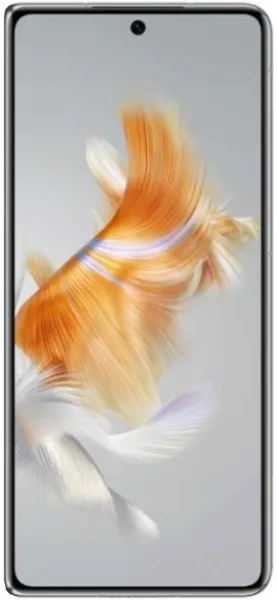
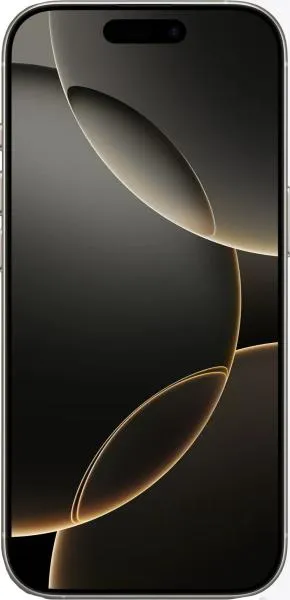
1. Specifications Comparison
| Feature | Huawei Mate X3 | Apple iPhone 16 Pro | Practical Impact |
|---|---|---|---|
| Design | |||
| Dimensions | 156.9 x 141.5 x 5.3 mm (unfolded) | 149.6 x 71.5 x 8.3 mm | Mate X3 significantly larger unfolded, but thinner when folded; iPhone 16 Pro more pocketable. |
| Weight | 239g | 199g | iPhone 16 Pro noticeably lighter for one-handed use. |
| Foldable | Yes | No | Mate X3 offers larger screen real estate and multitasking capabilities; iPhone 16 Pro offers traditional smartphone experience. |
| Display | |||
| Size | 7.85" (unfolded) | 6.3" | Mate X3 provides a tablet-like experience when unfolded; iPhone 16 Pro offers a standard smartphone screen size. |
| Resolution | 2224 x 2496 pixels | 1206 x 2622 pixels | Both offer sharp displays; Mate X3 benefits from larger canvas for media consumption. |
| Type | Foldable OLED, 120Hz | LTPO Super Retina XDR OLED, 120Hz | Both have smooth, high refresh rate displays; iPhone 16 Pro's LTPO allows for more granular refresh rate control for power saving. iPhone supports HDR10 and Dolby Vision, impacting video quality. |
| Performance | |||
| Chipset | Snapdragon 8+ Gen 1 4G (4 nm) | Apple A18 Pro (3 nm) | A18 Pro expected to be significantly more powerful and efficient; Mate X3's 4G connectivity a notable limitation. |
| CPU | Octa-core (1x3.19 GHz Cortex-X2 & 3x2.75 GHz Cortex-A710 & 4x2.0 GHz Cortex-A510) | Hexa-core (2x4.05 GHz + 4x2.42 GHz) | Specific core configurations less important than overall performance differences expected due to newer architecture and manufacturing process of the A18 Pro. |
| GPU | Adreno 730 | Apple GPU (6-core graphics) | A18 Pro's GPU expected to provide superior graphics performance for gaming and demanding tasks. |
| RAM | 8GB/12GB | 8GB | Mate X3 offers a 12GB RAM option for potentially better multitasking; 8GB generally sufficient for most users on both. |
| Camera | |||
| Rear Cameras | 50MP Main, 12MP Wide, 16MP Telephoto | 48MP Main, 48MP Wide, 12MP Telephoto, ToF 3D | Both offer versatile camera systems. iPhone 16 Pro boasts an additional ToF sensor for improved depth sensing and potentially better AR capabilities. Missing detailed sensor specs for Mate X3 limit in-depth comparison. |
| Battery | |||
| Capacity | 4800 mAh | 3582 mAh | Mate X3 has significantly larger battery capacity, but larger display consumes more power. Real-world battery life will depend on usage patterns. |
2. Key Differences Analysis
Huawei Mate X3 Advantages:
- Larger, Foldable Display: Offers a unique user experience with a tablet-sized screen for multitasking and media consumption.
- Higher Battery Capacity: Potentially longer battery life, though larger screen may offset this advantage.
Apple iPhone 16 Pro Advantages:
- Superior Performance: The A18 Pro chip provides a significant performance advantage for demanding tasks and gaming.
- 5G Connectivity: Faster cellular data speeds and improved network reliability.
- Advanced Camera System: ToF sensor enables better depth sensing and AR capabilities. More advanced video recording capabilities.
- Ecosystem Integration: Seamless integration with other Apple devices and services.
3. User Profiles & Recommendations
Huawei Mate X3: Users who prioritize a large screen experience and multitasking capabilities, even at the cost of portability and some performance. Ideal for media consumption, productivity on the go, and those seeking a unique smartphone experience.
Apple iPhone 16 Pro: Users who value top-tier performance, a refined user experience, seamless ecosystem integration, and 5G connectivity. Ideal for power users, gamers, photographers/videographers, and those heavily invested in the Apple ecosystem.
4. Decision Framework
Key Questions for Buyers:
- How important is a large, foldable screen?
- Do you prioritize raw performance and 5G connectivity?
- Are you invested in the Apple ecosystem?
Scenario-Based Recommendations:
- Power User/Gamer: iPhone 16 Pro
- Productivity Focused/Multitasker: Mate X3 (if 4G limitation not a major concern)
- Apple Ecosystem User: iPhone 16 Pro
- Budget-Conscious User: Neither, as both are high-priced.
My Choice: Apple iPhone 16 Pro
While the Mate X3's foldable screen is intriguing, the iPhone 16 Pro's superior performance, 5G connectivity, advanced camera system, and expected longer software support make it the more compelling device for me. The lack of 5G on the Mate X3 is a significant drawback in today's environment. I value a smooth, powerful, and future-proof device, and the iPhone 16 Pro better aligns with my needs. Furthermore, access to the latest software updates and security patches is crucial, and Apple's track record in this area is superior. While acknowledging the subjective appeal of a foldable device, the iPhone 16 Pro offers a more well-rounded and future-proof package for my use case.
