1. Specifications Comparison
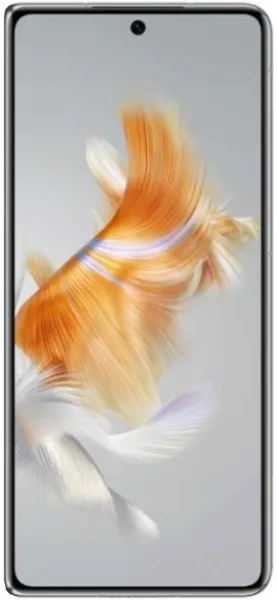
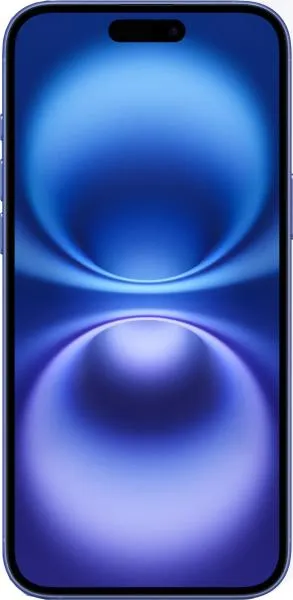
| Feature | Huawei Mate X3 | Apple iPhone 16 Plus | Practical Impact |
|---|---|---|---|
| Design | |||
| Dimensions (mm) | 156.9 x 141.5 x 5.3 (folded) | 160.9 x 77.8 x 7.8 | Mate X3 significantly thinner when folded, but larger unfolded. iPhone 16 Plus more pocketable in daily use. |
| Weight (g) | 239 | 199 | iPhone 16 Plus noticeably lighter, reducing hand fatigue during extended use. |
| Foldable | Yes | No | Mate X3 offers larger screen real estate for multitasking and media consumption but introduces potential durability concerns and increased bulk. |
| Display | |||
| Size (inches) | 7.85 (unfolded), ~6.4" (outer) | 6.7 | Mate X3 provides a substantially larger main display for productivity and immersion, while the iPhone 16 Plus offers a more manageable single-screen experience. |
| Resolution (px) | 2224 x 2496 | 1290 x 2796 | Both offer sharp displays; Mate X3 prioritizes overall size, while iPhone 16 Plus focuses on pixel density, resulting in slightly sharper text and images. |
| Type | Foldable OLED, 120Hz | Super Retina XDR OLED | Both are high-quality OLED panels. Mate X3's 120Hz offers smoother animations and scrolling compared to iPhone 16 Plus's unspecified refresh rate, though the impact depends on the actual iPhone refresh rate (likely 60Hz or 120Hz ProMotion). |
| HDR | No information on HDR10/Dolby Vision | HDR10, Dolby Vision | iPhone 16 Plus supports wider HDR standards, resulting in better contrast and color accuracy in compatible content. Missing information limits Mate X3 evaluation. |
| Performance | |||
| Chipset | Snapdragon 8+ Gen 1 4G (4 nm) | Apple A18 (3 nm) | A18 expected to outperform Snapdragon 8+ Gen 1 in both CPU and GPU tasks based on historical Apple silicon performance. |
| CPU | Octa-core (1x3.19 GHz Cortex-X2 & 3x2.75 GHz Cortex-A710 & 4x2.0 GHz Cortex-A510) | Hexa-core (2x4.04 GHz + 4x2.20 GHz) | Specific core architecture comparison challenging, but A18 likely offers superior single-core and potentially multi-core performance. |
| GPU | Adreno 730 | Apple GPU (5-core graphics) | Apple's custom GPU typically excels in graphics performance and efficiency. More details on the A18 GPU are needed for a complete comparison. |
| RAM | 8GB/12GB | 8GB | Mate X3 offers a 12GB RAM option, potentially improving multitasking performance for heavy users. However, iOS's memory management often mitigates the need for high RAM. |
| Camera | |||
| Main Camera | 50MP, f/1.8 | 48MP, f/1.6 | Similar resolution, but iPhone's wider aperture (f/1.6) potentially captures more light in low-light conditions. |
| Ultrawide | 12MP, f/2.2 | 12MP, f/2.2 | Similar specifications, though real-world image quality depends on processing and lens quality. |
| Telephoto | 16MP, f/3.4, 5x Optical Zoom | No dedicated Telephoto, 2x Optical zoom via sensor cropping | Mate X3 offers significantly better optical zoom capabilities. iPhone relies on digital zoom beyond 2x, potentially reducing image quality. |
| Battery | |||
| Capacity (mAh) | 4800 | 4674 | Similar battery capacities, though real-world battery life depends on software optimization and usage patterns. |
2. Key Differences Analysis
Huawei Mate X3 Advantages:
- Larger, Foldable Display: Offers significantly more screen real estate for multitasking, media consumption, and immersive experiences.
- Superior Optical Zoom: 5x optical zoom provides greater versatility for capturing distant subjects compared to the iPhone's 2x.
- Higher RAM Option: 12GB RAM configuration may benefit power users who frequently multitask or use demanding applications.
Apple iPhone 16 Plus Advantages:
- Likely Superior Performance: The A18 chip is expected to outperform the Snapdragon 8+ Gen 1, resulting in smoother overall performance and better gaming capabilities.
- More Pocketable Design: Lighter and smaller form factor makes it easier to carry and use one-handed.
- Established Software Ecosystem: iOS known for its user-friendliness, app selection, and privacy features.
- 5G Connectivity: Offers broader 5G band support for faster cellular data speeds in more regions. Mate X3 is limited to 4G.
3. User Profiles & Recommendations
Huawei Mate X3: Ideal for users who prioritize a large screen for productivity, media consumption, and multitasking. Suited for those who value the unique foldable form factor and its benefits despite the potential trade-offs in portability and durability. Early adopters of technology will gravitate towards the innovative design.
Apple iPhone 16 Plus: Suitable for users who prefer a traditional smartphone experience with a focus on performance, ease of use, and a robust app ecosystem. Users prioritizing a seamless software experience, pocketability, and 5G connectivity will find the iPhone 16 Plus appealing.
4. Decision Framework
Key Questions for Buyers:
- How important is screen size and multitasking capability? If maximizing screen real estate is paramount, the Mate X3 is the clear choice.
- Do you prioritize performance and software experience? If speed, app selection, and a polished operating system are crucial, the iPhone 16 Plus is likely the better option.
- What is your budget and tolerance for new technology? The Mate X3's foldable design comes with a higher price and potential durability concerns. The iPhone 16 Plus offers a more established and potentially more reliable experience.
My Choice: Apple iPhone 16 Plus
While the Mate X3's foldable screen is intriguing, the likely superior performance, more refined software experience, 5G connectivity, and easier pocketability of the iPhone 16 Plus are more compelling to me. The A18 chip's expected performance advantage, combined with iOS's optimization and broader app support, make the iPhone 16 Plus a more practical and reliable choice for my daily needs. I value a smooth and consistent user experience, and the iPhone traditionally delivers in this area. Furthermore, the lack of 5G in the Mate X3 is a significant drawback in a world increasingly reliant on fast mobile data. While I appreciate the innovation of the Mate X3, the iPhone 16 Plus better aligns with my priorities for a smartphone.
