
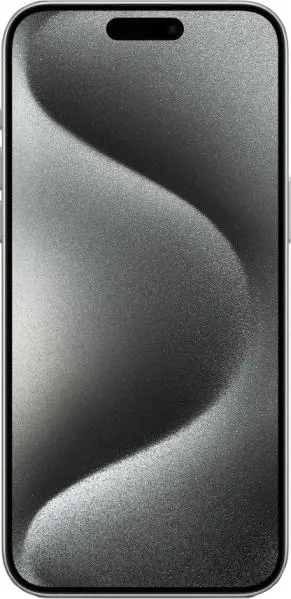
1. Specifications Comparison
| Feature | Huawei Mate X3 | Apple iPhone 15 Pro Max | Practical Impact |
|---|---|---|---|
| Design | |||
| Dimensions (mm) | 156.9 x 141.5 x 5.3 (folded) | 159.9 x 76.7 x 8.3 | Mate X3 significantly thinner when folded, but larger unfolded. iPhone 15 Pro Max more pocketable in daily use. |
| Weight (g) | 239 | 221 | Mate X3 lighter despite larger unfolded size, impressive engineering but marginal difference in practice. |
| Foldable | Yes | No | Mate X3 offers a larger screen real estate for multitasking and media consumption, but introduces potential durability concerns. |
| Display | |||
| Size (inches) | 7.85 (unfolded), ~6.4" (outer) | 6.7 | Mate X3 provides a tablet-like experience when unfolded; iPhone 15 Pro Max has a large, bright display for a traditional smartphone. |
| Resolution (px) | 2224 x 2496 (unfolded), 1080x2504 (outer) | 1290 x 2796 | Both offer sharp displays; Mate X3's unfolded screen offers more overall pixels, but iPhone boasts higher pixel density (460 vs 426 ppi), potentially resulting in slightly crisper images on the iPhone. |
| Refresh Rate (Hz) | 120 | 120 | Both displays offer smooth scrolling and animations. |
| Display Type | Foldable OLED | LTPO Super Retina XDR OLED | iPhone's LTPO technology allows for dynamic refresh rate adjustment, potentially saving battery life. |
| Performance | |||
| Chipset | Snapdragon 8+ Gen 1 4G (4 nm) | Apple A17 Pro (3 nm) | A17 Pro expected to significantly outperform Snapdragon 8+ Gen 1 in both CPU and GPU tasks, leading to faster app loading, smoother gaming, and better overall performance. |
| CPU | Octa-core (1x3.19 GHz Cortex-X2 & 3x2.75 GHz Cortex-A710 & 4x2.0 GHz Cortex-A510) | Hexa-core (2x3.78 GHz + 4x2.11 GHz) | Specific core configurations are less relevant to the average user than the overall performance difference, which favors the A17 Pro. |
| GPU | Adreno 730 | Apple GPU (6-core graphics) | A17 Pro's GPU expected to offer superior graphics performance. |
| RAM | 8GB/12GB | 8GB | Both have ample RAM for demanding tasks, though the 12GB option on the Mate X3 may offer slightly better multitasking in the long run. |
| Camera | |||
| Main Camera (MP) | 50 | 48 | Megapixel count is not the sole indicator of image quality. Both likely use high-quality sensors. iPhone 15 Pro Max benefits from advanced computational photography. DxOMark scores would offer more objective comparison, but are missing for the Mate X3. |
| Zoom | 5x Optical, 20x Hybrid, 100x Digital | 5x Optical, 25x Digital | Similar optical zoom capabilities. Digital zoom quality degradation will likely be significant in both. |
| Video | Up to 4K@60fps with EIS | Up to 4K@60fps with HDR, Dolby Vision | iPhone offers HDR and Dolby Vision video recording, resulting in superior dynamic range and color accuracy. |
| Battery | |||
| Capacity (mAh) | 4800 | 4441 | Mate X3 has a slightly larger battery, but real-world battery life depends on numerous factors including software optimization and display usage. |
2. Key Differences Analysis
Huawei Mate X3 Advantages:
- Larger, Foldable Display: Offers a unique user experience with expansive screen real estate for multitasking and media consumption.
- Potentially Longer Battery Life: Slightly larger battery capacity may translate to longer usage time, though this is not guaranteed.
Apple iPhone 15 Pro Max Advantages:
- Superior Performance: A17 Pro chip provides significantly faster processing and graphics capabilities.
- Advanced Camera Features: Offers HDR and Dolby Vision video recording, likely superior image processing due to Apple's computational photography prowess, and DxOMark scores confirm excellent camera quality.
- More Robust Software Ecosystem: iOS known for its optimization, app selection, and long-term software updates. 5G Connectivity
3. User Profiles & Recommendations
Huawei Mate X3: Users who prioritize a large, foldable screen for productivity and media consumption and value a unique device. Best for multitasking, watching videos, reading, and using productivity apps on the go.
Apple iPhone 15 Pro Max: Users who prioritize performance, camera quality, seamless software experience, and long-term software updates. Ideal for power users, gamers, photographers/videographers, and those heavily invested in the Apple ecosystem.
4. Decision Framework
Key Questions for Buyers:
- How important is a foldable screen? Are you willing to trade potential durability concerns and a higher price for the larger screen real estate?
- What are your performance needs? Do you require the absolute best processing power for demanding tasks, or is a good level of performance sufficient?
- Which ecosystem do you prefer? Are you invested in Apple services and apps, or are you open to other options?
Scenario-Based Recommendations:
- Power User/Gamer: iPhone 15 Pro Max
- Productivity Focused/Multitasker: Mate X3 (if foldability is paramount)
- Photographer/Videographer: iPhone 15 Pro Max
- Casual User: Either phone would likely suffice, but consider budget and ecosystem preferences.
My Choice: Apple iPhone 15 Pro Max
While the Mate X3's foldable screen is intriguing, the iPhone 15 Pro Max's superior performance, advanced camera features, proven software ecosystem, and long-term software support make it a more compelling overall package for me. I prioritize a smooth, reliable experience with top-tier performance and camera quality, which the iPhone 15 Pro Max is expected to deliver. The lack of 5G on the Mate X3 is also a significant drawback in my view. Ultimately, the practical benefits of the iPhone 15 Pro Max outweigh the novelty of a foldable screen for my personal needs.
