
1. Specifications Comparison
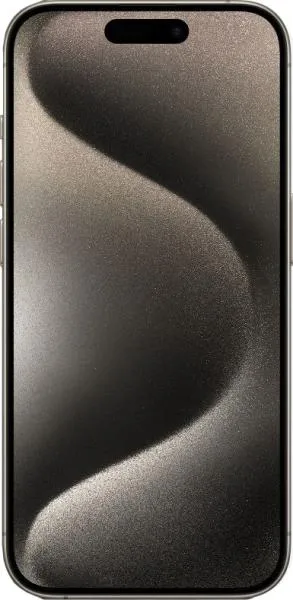
| Feature | Huawei Mate X3 | Apple iPhone 15 Pro | Practical Impact |
|---|---|---|---|
| Design | |||
| Form Factor | Foldable | Standard | Mate X3 offers larger screen real estate when unfolded, enhancing productivity and media consumption but introduces potential durability concerns. iPhone 15 Pro prioritizes pocketability and robustness. |
| Dimensions (mm) | 156.9 x 141.5 x 5.3 (unfolded) | 146.6 x 70.6 x 8.3 | Mate X3 significantly larger unfolded, but thinner when folded; iPhone 15 Pro more compact and easily pocketable. |
| Weight (g) | 239 | 187 | iPhone 15 Pro noticeably lighter for comfortable one-handed use. Mate X3's weight is understandable given its foldable design and large screen. |
| Display | |||
| Size (inches) | 7.85 (unfolded) | 6.1 | Mate X3's unfolded screen offers a tablet-like experience; iPhone 15 Pro provides a more typical smartphone screen size. |
| Resolution (px) | 2224 x 2496 | 1179 x 2556 | Both offer sharp displays, but the Mate X3's larger size and lower pixel density result in a slightly less sharp image (426 ppi vs 461 ppi). Difference negligible in real-world use. |
| Refresh Rate (Hz) | 120 | 120 | Both offer smooth scrolling and animations thanks to the 120Hz refresh rate. |
| Display Type | Foldable OLED | LTPO Super Retina XDR OLED | iPhone 15 Pro's LTPO panel allows for dynamic refresh rate adjustment, potentially saving battery. It also supports HDR10 and Dolby Vision for superior visual quality. Missing HDR information for the Mate X3 limits comprehensive comparison. |
| Performance | |||
| Chipset | Snapdragon 8+ Gen 1 4G (4 nm) | Apple A17 Pro (3 nm) | A17 Pro likely offers superior performance and efficiency due to newer architecture and manufacturing process. Lack of specific benchmark comparisons hinders definitive conclusion. Mate X3's 4G limitation is significant in areas with 5G availability. |
| CPU | Octa-core (1x3.19 GHz Cortex-X2 & 3x2.75 GHz Cortex-A710 & 4x2.0 GHz Cortex-A510) | Hexa-core (2x3.78 GHz + 4x2.11 GHz) | Apple's custom core design often outperforms Android counterparts, but real-world performance depends on optimization. |
| GPU | Adreno 730 | Apple GPU (6-core graphics) | Apple's GPUs are generally considered highly performant, particularly for gaming and graphics-intensive tasks. Direct comparison requires further benchmarking data. |
| RAM (GB) | 12 (in the compared version) | 8 | While the Mate X3 has more RAM in this configuration, iOS's memory management often makes this difference less significant in real-world usage. |
| Camera | |||
| Main Camera (MP) | 50 | 48 | Both offer high-resolution main sensors. Practical image quality differences require real-world comparisons and analysis of image processing. |
| Zoom | 5x Optical, 20x Hybrid, 100x Digital | 3x Optical, 15x Digital | Mate X3 offers a greater zoom range. iPhone's zoom quality needs further assessment. |
| DXOMARK Scores | Missing | 154 (Mobile), 149 (Selfie) | Missing DXOMARK scores for the Mate X3 prevent objective camera quality comparison. iPhone 15 Pro scores indicate excellent camera performance. |
| Battery | |||
| Capacity (mAh) | 4800 | 3274 | Mate X3 has significantly larger battery capacity, potentially offering longer usage time. iPhone 15 Pro's LTPO display and efficient chip could mitigate this difference. |
2. Key Differences Analysis
Huawei Mate X3 Advantages:
- Larger, Foldable Screen: Provides a unique user experience with expanded screen real estate for multitasking and media consumption.
- Larger Battery: Potentially longer battery life compared to the iPhone 15 Pro.
Apple iPhone 15 Pro Advantages:
- Superior Performance: Likely faster and more efficient due to the A17 Pro chip.
- Advanced Display Technology: LTPO OLED with HDR10 and Dolby Vision delivers better visual quality and power efficiency.
- 5G Connectivity: Offers faster cellular data speeds and broader network compatibility compared to Mate X3's 4G. This is a crucial advantage for future-proofing.
- Proven Software Ecosystem: iOS known for its smooth performance, regular updates, and strong app ecosystem. We lack information on the Mate X3's OS version and its implications.
3. User Profiles & Recommendations
Huawei Mate X3: Users who prioritize a large, foldable screen for productivity and media consumption, and are willing to compromise on performance and potentially software updates/app availability.
Apple iPhone 15 Pro: Users who value performance, a refined user experience, a robust app ecosystem, consistent software updates, and 5G connectivity. Best for those seeking a premium, reliable smartphone experience.
4. Decision Framework
Key Questions:
- How important is a foldable screen? Are you willing to sacrifice portability and potentially robustness for a larger display area?
- Do you prioritize performance and a seamless software experience? Or is a unique form factor more appealing?
- Is 5G connectivity essential?
Scenario-Based Recommendations:
- Power User: iPhone 15 Pro, for its performance, software ecosystem, and 5G connectivity.
- Media Enthusiast: Mate X3, for its large foldable screen, provided app availability meets needs.
- Budget-Conscious User: Neither phone is budget-friendly; explore alternative options in a lower price range.
My Choice: Apple iPhone 15 Pro
While the Mate X3's foldable screen is intriguing, the iPhone 15 Pro's overall package is more compelling for my needs. The A17 Pro chip's performance advantage, combined with the superior display technology, 5G connectivity, and the mature iOS ecosystem, make it a more reliable and future-proof choice. The lack of clear information regarding the Mate X3's operating system, coupled with its 4G limitation, raises concerns about long-term usability and app support. Although the Mate X3 boasts a larger battery, the iPhone 15 Pro's efficiency improvements likely minimize any real-world difference in usage time. Ultimately, I value a smooth, powerful, and connected experience, which the iPhone 15 Pro clearly delivers.
