
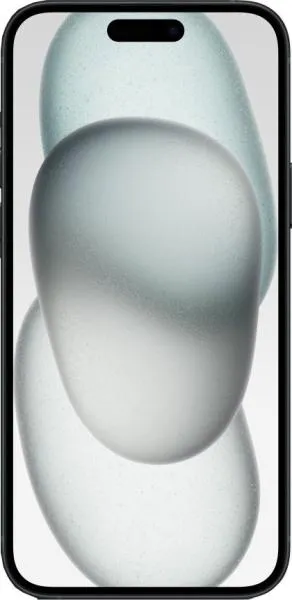
1. Specifications Comparison
| Feature | Huawei Mate X3 | Apple iPhone 15 Plus | Practical Impact |
|---|---|---|---|
| Design | |||
| Form Factor | Foldable | Standard | Mate X3 offers larger screen real estate in a pocketable size when folded. iPhone 15 Plus is a traditional slab design. |
| Dimensions (mm) | 156.9 x 141.5 x 5.3 (unfolded) | 160.9 x 77.8 x 7.8 | Mate X3 is significantly thinner when unfolded but wider and potentially less comfortable for one-handed use. iPhone 15 Plus is thicker but narrower. |
| Weight (g) | 239 | 201 | Mate X3 is heavier, impacting portability. |
| Display | |||
| Size (inches) | 7.85 (unfolded) | 6.7 | Larger display on Mate X3 provides more immersive content consumption and multitasking capabilities. |
| Resolution (px) | 2224 x 2496 | 1290 x 2796 | Both offer sharp displays; Mate X3's unfolded screen provides more overall pixels. |
| Type | Foldable OLED, 120Hz | Super Retina XDR OLED | Mate X3's foldable screen allows for unique usage scenarios. iPhone 15 Plus boasts superior brightness and HDR support. |
| Refresh Rate (Hz) | 120 | Unspecified | Mate X3's 120Hz offers smoother scrolling and animations. A lack of refresh rate specification for the iPhone 15 Plus hinders direct comparison in this area. |
| Performance | |||
| Chipset | Snapdragon 8+ Gen 1 4G | Apple A16 Bionic | A16 is generally considered more powerful and efficient, leading to better performance and battery life. The lack of 5G on the Mate X3 is a major drawback. |
| CPU | Octa-core (1x3.19 GHz Cortex-X2 & 3x2.75 GHz Cortex-A710 & 4x2.0 GHz Cortex-A510) | Hexa-core (2x3.46 GHz Everest + 4x2.02 GHz Sawtooth) | Apple's custom core design usually translates to superior single-core performance, benefiting responsiveness. |
| GPU | Adreno 730 | Apple GPU (5-core) | Apple's GPU typically offers leading performance in graphics-intensive tasks and gaming. |
| RAM | 12GB (as per price listing) | 6GB | More RAM on Mate X3 could contribute to better multitasking performance, although iOS's memory management often mitigates this difference. |
| Camera | |||
| Main Camera (MP) | 50 | 48 | Both offer high-resolution main cameras; image quality will depend on processing and sensor specifics. |
| Telephoto | Yes (5x Optical Zoom) | Yes (2x Optical Zoom via sensor crop) | Mate X3 offers significantly better optical zoom capabilities. |
| DxOMark Score | Not Available | 145 | iPhone 15 Plus's high DxOMark score suggests excellent overall camera performance. Lack of score for Mate X3 limits objective comparison. |
| Battery | |||
| Capacity (mAh) | 4800 | 4383 | Mate X3 has a slightly larger battery capacity, but real-world battery life depends on numerous factors including software optimization. |
2. Key Differences Analysis
Huawei Mate X3 Advantages:
- Larger, Foldable Display: Offers unparalleled multitasking and immersive experiences.
- Superior Optical Zoom: Provides significantly better telephoto capabilities.
Apple iPhone 15 Plus Advantages:
- Performance and Efficiency: A16 Bionic chip delivers top-tier performance and battery life.
- Operating System and Ecosystem: iOS is known for its simplicity, security, and app ecosystem.
- 5G Connectivity: Offers faster cellular data speeds and improved network connectivity, a major advantage over the Mate X3.
- Proven Camera Performance: High DxOMark score indicates excellent image quality.
Trade-offs:
- Mate X3's foldable design comes with added weight and potential durability concerns.
- iPhone 15 Plus lacks the expansive screen real estate of a foldable device.
- Mate X3's lack of 5G is a significant drawback in today's market.
3. User Profiles & Recommendations
Huawei Mate X3: Ideal for users who prioritize a large screen for productivity and media consumption and are willing to compromise on weight and 5G connectivity. Use cases include: multitasking, content creation, media consumption.
Apple iPhone 15 Plus: Best suited for users who value performance, efficiency, a refined user experience, and access to 5G. Use cases include: everyday tasks, gaming, photography, video recording.
4. Decision Framework
Key Questions for Buyers:
- How important is a foldable screen? Are you willing to prioritize screen real estate over portability and potentially higher cost?
- Do you require 5G connectivity? This is a critical factor for future-proofing and data speeds.
- Which operating system and ecosystem do you prefer? Consider app availability, user interface, and overall experience.
Scenario-Based Recommendations:
- Business Professional: If you need a large screen for multitasking and presentations, the Mate X3 (assuming access to necessary apps) might be preferable, but the lack of 5G is a major consideration.
- Content Creator: The Mate X3's large screen could benefit content creation workflows, but the iPhone 15 Plus's superior performance and camera might be more appealing.
- Average User: For everyday use, the iPhone 15 Plus offers a more balanced package with better performance, 5G, and a robust app ecosystem.
My Choice: Apple iPhone 15 Plus
While the Huawei Mate X3's foldable screen is undeniably innovative, the lack of 5G is a dealbreaker in the current mobile landscape. The iPhone 15 Plus offers a powerful, efficient, and well-rounded package with excellent performance, a refined operating system, and access to crucial 5G networks. For my needs, which prioritize reliable connectivity, performance, and a robust app ecosystem, the iPhone 15 Plus is the clear winner. While the Mate X3's folding capabilities are intriguing, the limitations outweigh the benefits for me personally.
