
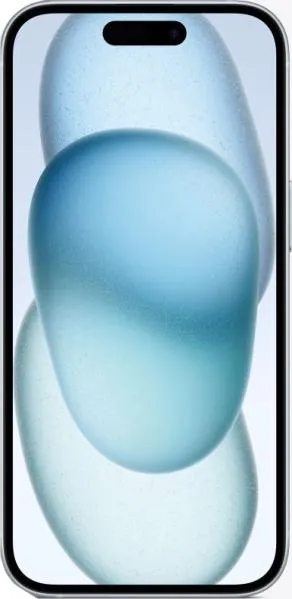
1. Specifications Comparison
| Feature | Huawei Mate X3 | Apple iPhone 15 | Practical Impact |
|---|---|---|---|
| Design | |||
| Dimensions (mm) | 156.9 x 141.5 x 5.3 (unfolded) | 147.6 x 71.6 x 7.8 | Mate X3 significantly larger unfolded, but thinner when folded. iPhone 15 more pocketable. |
| Weight (g) | 239 | 171 | Mate X3 noticeably heavier due to folding mechanism and larger display. iPhone 15 easier to hold for extended periods. |
| Foldable | Yes | No | Mate X3 offers a larger screen for multitasking and media consumption, but introduces potential durability concerns and bulk. |
| Display | |||
| Size (inches) | 7.85 (unfolded) | 6.1 | Mate X3 provides a tablet-like experience when unfolded. iPhone 15 offers a more traditional smartphone screen size. |
| Resolution (px) | 2224 x 2496 | 1179 x 2556 | Both offer sharp displays, but Mate X3's larger size and lower pixel density may result in slightly less crisp text and images compared to iPhone's higher PPI. |
| Refresh Rate (Hz) | 120 | Unspecified | Mate X3's 120Hz offers smoother scrolling and animations. Missing iPhone 15 refresh rate information hinders comparison. |
| Display Type | Foldable OLED | Super Retina XDR OLED | Both are high-quality OLED displays with vibrant colors. iPhone 15 supports HDR10 and Dolby Vision for enhanced video playback. Mate X3's foldability is the key differentiator. |
| Performance | |||
| Chipset | Snapdragon 8+ Gen 1 4G | Apple A16 Bionic | Both are flagship chipsets from the previous generation, offering top-tier performance. A16 generally benchmarks higher, especially in GPU performance. |
| CPU | Octa-core (1x3.19 GHz Cortex-X2 & 3x2.75 GHz Cortex-A710 & 4x2.0 GHz Cortex-A510) | Hexa-core (2x3.46 GHz Everest + 4x2.02 GHz Sawtooth) | Both offer excellent CPU performance. Apple's architecture typically provides superior single-core performance, beneficial for responsive user experience. |
| RAM (GB) | 12 | 6 | More RAM in Mate X3 enables better multitasking and app switching, particularly important given its larger screen and foldable nature. |
| OS | Unspecified | iOS 17 | Missing Mate X3 OS details limit comparison. iOS 17 is known for its smooth performance, regular updates, and strong privacy features. |
| Camera | |||
| Rear Cameras | 50MP Main, 12MP Wide, 16MP Telephoto | 48MP Main, 12MP Ultrawide | Both offer versatile camera systems. Specific sensor and image processing details would be needed for a deeper comparison. iPhone 15 boasts a higher DxOMark score (145) indicating superior overall camera performance. |
| Battery | |||
| Capacity (mAh) | 4800 | 3349 | Mate X3 has a significantly larger battery, likely offering longer usage time. However, its larger display consumes more power. Real-world battery life depends heavily on usage patterns. |
2. Key Differences Analysis
Huawei Mate X3 Advantages:
- Larger, Foldable Display: Offers a tablet-like experience for productivity and media consumption.
- Larger Battery: Potentially longer battery life.
- More RAM: Improved multitasking capabilities.
Apple iPhone 15 Advantages:
- More Compact and Lighter: Easier to carry and use one-handed.
- Potentially Superior Performance: A16 Bionic generally benchmarks higher.
- Established OS Ecosystem: iOS known for stability, updates, and app selection.
- Higher Rated Camera System: DxOMark score indicates superior image and video quality.
Trade-offs:
- Mate X3: Larger size and weight for foldability, potential durability concerns, higher price, uncertainty about OS and app availability.
- iPhone 15: Smaller screen, smaller battery, less RAM, potentially higher price for larger storage options.
3. User Profiles & Recommendations
Huawei Mate X3: Users who prioritize a large screen for multitasking, media consumption, and productivity on the go, and value the novelty of a foldable device. Suitable for power users, content creators, and those who want a device that can replace both a phone and a small tablet.
Apple iPhone 15: Users who prioritize portability, ease of use, a robust app ecosystem, a high-quality camera, and a seamless integration with other Apple devices. Suitable for general users, photographers, and those embedded in the Apple ecosystem.
4. Decision Framework
Key Questions for Buyers:
- How important is screen size and foldability?
- What is your budget and storage requirement?
- Which operating system and app ecosystem do you prefer?
Scenario-Based Recommendations:
- Prioritize portability and ease of use: iPhone 15.
- Need a large screen for productivity: Mate X3.
- Value long battery life: Mate X3 (but real-world testing needed).
- Want the latest and greatest technology regardless of price: Consider newer generation foldable or iPhone models.
My Choice: Apple iPhone 15
While the Mate X3's foldable screen is intriguing, the lack of information about its OS, coupled with potential software limitations and the significantly higher price, makes the iPhone 15 a more compelling choice for me. I value the iPhone's reliable performance, consistent software updates, robust app ecosystem, excellent camera, and the overall user experience that iOS provides. The iPhone 15 offers a better balance of features, usability, and price for my personal needs. The compact form factor is also a significant advantage for everyday carry. Finally, the confirmed higher camera quality based on the DxOMark scores solidifies my decision.
