
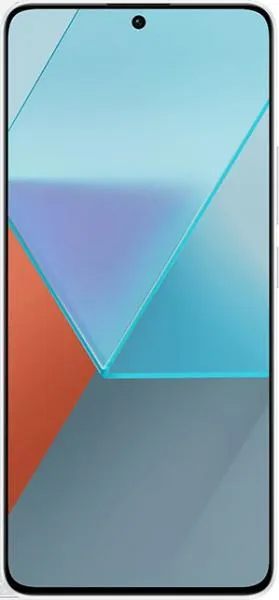
Okay, let's dive into a head-to-head comparison of the Huawei Mate 50 Pro and the Xiaomi Redmi Note 13 Pro. I'm putting on my tech journalist hat, ready to break down these specs and tell you what they mean for you, the user.
1. Specifications Breakdown
Here's a detailed breakdown of the key specs, focusing on real-world implications:
| Feature | Huawei Mate 50 Pro | Xiaomi Redmi Note 13 Pro | Real-World Implications |
|---|---|---|---|
| Design | |||
| Dimensions | 162.1 × 75.5 × 8.5 mm | 161.2 × 74.2 × 8 mm | Mate 50 Pro slightly larger and thicker, might feel less comfortable for small hands. |
| Weight | 205g | 187g | Redmi Note 13 Pro is significantly lighter, better for one-handed use and long holding periods. |
| Display | |||
| Size | 6.74" | 6.67" | Negligible difference, both offer large displays for multimedia consumption. |
| Resolution | 1212x2616 | 1220x2712 | Practically identical sharpness, great for reading and media. |
| Pixel Density | 428 PPI | 446 PPI | Virtually indistinguishable pixel density, both sharp and clear. |
| Technology | OLED | AMOLED | Similar display quality, expect vibrant colors and deep blacks. |
| Refresh Rate | 120Hz | 120Hz | Smooth scrolling and animations, identical experience. |
| Brightness | 0 nits | 1800 nits | Redmi Note 13 Pro dramatically better outdoor visibility. |
| Performance | |||
| Chipset | Snapdragon 8+ Gen 1 4G | Snapdragon 7s Gen 2 | Mate 50 Pro has a more powerful chipset, faster performance, especially in gaming. |
| AnTuTu Score | 1,022,043 | 625,845 | Mate 50 Pro offers considerably faster app loading, multitasking and gaming experience. |
| GPU | Adreno 730 | Adreno 710 | Mate 50 Pro has a superior GPU, better for graphically intensive tasks. |
| Battery Life | |||
| Capacity | 4700mAh | 5100mAh | Redmi Note 13 Pro has a slightly larger battery which might offer more usage time. |
| Charging | 66W Fast Charging | 67W Fast Charging | Similar fast charging capabilities for both. |
| Features | Wireless & Reverse Charging | Non-removable | Mate 50 Pro offers the convenience of wireless charging and reverse wireless charging. |
| Camera | |||
| Main Camera | 50MP, f/1.4, 1/1.56" | 200MP, f/1.65, 1/1.4" | Redmi Note 13 Pro has a much higher resolution, while Mate 50 Pro has a wider aperture. |
| Selfie Camera | 13MP, f/2.4 | 16MP, f/2.4, 1/3.06" | Redmi Note 13 Pro has slightly higher resolution for selfies. |
| Telephoto Lens | 64MP, f/3.5, 1/2" | None | Mate 50 Pro has a dedicated telephoto camera for zoom capabilities. |
| Wide Angle Lens | 12MP, f/2.2, | None | Mate 50 Pro has a dedicated wide-angle lens for landscape and group photos. |
| Depth Camera | None | 2MP, f/2.4, 1/5" | Redmi Note 13 Pro has a dedicated depth sensor for enhanced portrait photos. |
| Macro Camera | None | 8MP, f/2.2, 1/2.8" | Redmi Note 13 Pro has a dedicated macro sensor for closeup photos. |
| Video Recording | 4K@60fps, Multiple HDR modes | 4K@30fps with EIS | Mate 50 Pro offers more advanced video recording features and quality. |
| DXOMark (Mobile) | 149 Main Score | 120 Main Score | Mate 50 Pro excels in all areas of photography. |
| DXOMark (Selfie) | 145 Main Score | Not Available | Mate 50 Pro provides exceptional front camera performance for high quality selfies and video calls. |
| Software | Android 13, upgradeable to 16 | Redmi Note 13 Pro runs on Android 13 with potential future upgrades. | |
| Connectivity | |||
| Wi-Fi | Wi-Fi 6 | Wi-Fi 5 | Mate 50 Pro supports newer Wi-Fi standards, faster speeds, and better performance. |
| Bluetooth | Bluetooth 5.2 | Bluetooth 5.2 LE | Similar Bluetooth versions with minor differences in audio codecs. |
| GPS | GPS (L1+L5), GLONASS, QZSS | GPS, GLONASS, QZSS | Mate 50 Pro offers more accurate location tracking with dual-band GPS and other satellite systems. |
| SIM | Dual SIM | Dual SIM/eSIM | Redmi Note 13 Pro adds eSIM support for added flexibility. |
| Storage | |||
| Internal | 256 GB or 512 GB | 128 GB, 256 GB or 512 GB | Both offer ample storage, with multiple storage options available. |
| RAM | 8 GB | 8 GB, 12 GB or 16 GB | Redmi Note 13 Pro offers more RAM for better multitasking and demanding games. |
| Expandable | No | No | Neither phone supports expandable storage. |
| Audio | Stereo Speakers | Dolby Atmos, Hi-Res Audio, Stereo Speakers | Redmi Note 13 Pro provides richer audio experience with spatial audio enhancements. |
| Security | Fingerprint | Fingerprint | Both phones provide basic fingerprint authentication. |
| Build Quality | Unknown | Corning Gorilla Glass Victus | Redmi Note 13 Pro provides superior display protection. |
| Sensors | Multiple | Multiple | Mate 50 Pro provides additional environmental sensors. |
2. Key Insights
Huawei Mate 50 Pro:
- Strengths:
- Superior Performance: The Snapdragon 8+ Gen 1 chip delivers significantly higher performance and benchmark scores.
- Exceptional Camera System: Features a versatile camera setup with a variable aperture main sensor, telephoto, and wide-angle lens, excelling in image quality and DXOMark scores.
- Premium Features: Includes wireless charging, reverse wireless charging, and more advanced satellite-based GPS.
- Competitive Advantages:
- Higher-end processor for demanding tasks.
- More versatile camera with optical zoom.
- Advanced connectivity with Wi-Fi 6 and precise GPS.
- Trade-offs and Limitations:
- Heavier and slightly larger.
- Lacks eSIM.
- No expandable storage.
Xiaomi Redmi Note 13 Pro:
- Strengths:
- Lighter and More Compact: More comfortable for extended use due to its lower weight and slightly smaller size.
- Higher Resolution Main Camera: Boasts a 200MP main camera for detailed shots.
- Brighter Display: Offers excellent outdoor visibility with a peak brightness of 1800 nits.
- Slightly Larger Battery: May offer marginally better battery life with a larger 5100mAh capacity.
- eSIM Support: Allows for greater flexibility with mobile carriers.
- More RAM options: Up to 16GB of RAM available for more demanding multi-tasking and gaming.
- Competitive Advantages:
- Brighter display for outdoor usage.
- eSIM support, and more RAM
- More affordable for its performance and features.
- Trade-offs and Limitations:
- Less powerful processor, less powerful GPU, lower benchmark scores.
- Lower quality overall camera.
- Lacks wireless charging
3. User Profiles and Recommendations
- Huawei Mate 50 Pro:
- Best for: Users who prioritize top-tier performance, advanced camera capabilities, and premium features.
- Use Cases: Photographers, gamers, power users who demand the best processing power.
- Xiaomi Redmi Note 13 Pro:
- Best for: Users who need a reliable, well-rounded device with a good display, and prefer lighter smartphones for long term use.
- Use Cases: Everyday users, content consumers, and those who prioritize value.
4. Buying Decision Framework
Here are three key questions to help you choose:
- Do you need the absolute best performance and camera capabilities, or is "good enough" sufficient? If you’re pushing your phone to its limits and require top-tier image quality, the Mate 50 Pro is worth the extra investment. If you need something that simply gets the job done well, the Redmi Note 13 Pro will serve you well.
- How important is outdoor visibility and ease of handling? If you frequently use your phone outdoors or prefer a lighter device, the Redmi Note 13 Pro's brighter screen and lighter build will be noticeable.
- Is wireless charging a necessity? If you want the extra convenience of wireless charging, the Mate 50 Pro is the better choice.
Scenario-Based Recommendations:
- For the Photo Enthusiast: The Huawei Mate 50 Pro is the clear winner with its superior camera system and DxOMark scores, offering a versatile setup for all types of photography.
- For the Gamer: While both can handle gaming, the Mate 50 Pro's powerful Snapdragon 8+ Gen 1 chip and Adreno 730 GPU will provide a smoother, more enjoyable experience.
- For the Daily Driver: The Xiaomi Redmi Note 13 Pro's lighter design, brighter screen, and longer battery life make it an excellent option for day-to-day use.
- For the Value Seeker: The Xiaomi Redmi Note 13 Pro will be more appealing due to its better price-to-performance ratio, offering very good features for less cost.
My Choice
If I had to choose, I would go with the Huawei Mate 50 Pro. Here's why:
As a tech journalist and someone who appreciates cutting-edge technology, the Mate 50 Pro’s superior performance, versatile camera, and advanced features like wireless charging are hard to resist. I frequently use my smartphone for photography, video recording, and running resource-intensive apps, and the Mate 50 Pro’s Snapdragon 8+ Gen 1 processor, paired with that amazing camera system, makes it the clear winner in my book. The difference in performance is substantial, especially in demanding tasks like gaming and editing. The enhanced camera capabilities, particularly the optical zoom and the low light performance is also a big draw for my line of work.
While the Redmi Note 13 Pro is a very good phone, for me, the Mate 50 Pro's superior technology is worth the added investment. It simply offers a more premium experience, aligning better with my needs for performance, advanced features and camera capabilities.
