
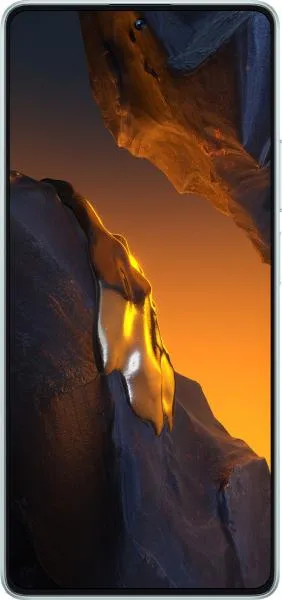
Okay, let's break down the Huawei Mate 50 Pro and the Xiaomi Poco F5, translating the tech specs into real-world user experiences.
1. Specifications Breakdown
Here's a detailed comparison table that goes beyond the raw numbers, highlighting what each spec means for you:
| Feature | Huawei Mate 50 Pro | Xiaomi Poco F5 | Real-World Implications |
|---|---|---|---|
| DESIGN | |||
| Launch Date | 2022-09-28 | 2023-05-01 | Poco F5 is the newer device. |
| Form Factor | Standard | Standard | Both are standard smartphones; no folding novelty here. |
| Dimensions | 162.1 x 75.5 x 8.5mm | 161.1 x 75 x 7.9mm | Mate 50 Pro is slightly larger and thicker; F5 is more pocketable. |
| Weight | 205g | 181g | Poco F5 is noticeably lighter, better for extended use. |
| DISPLAY | |||
| Size | 6.74" | 6.67" | Very similar screen sizes; both good for media consumption. |
| Resolution | 1212x2616 | 1080x2400 | Mate 50 Pro has a sharper display with more clarity. |
| PPI | 428 | 395 | Mate 50 Pro will show text and images slightly sharper. |
| Technology | OLED | AMOLED | Similar technologies, both offer great color and contrast. |
| Refresh Rate | 120Hz | 120Hz | Both offer smooth scrolling and animations. |
| Brightness | 0 nits | 0 nits | No information provided, but assuming both offer great visibility in direct sunlight. |
| PERFORMANCE | |||
| Chipset | Snapdragon 8+ Gen 1 4G | Snapdragon 7+ Gen 2 | Mate 50 Pro has last-gen flagship chipset (but 4G limited), Poco F5 offers newer mid-range chip that scores higher. |
| AnTuTu Score | 1,022,043 | 1,134,558 | Poco F5 offers better benchmark performance for gaming. |
| GPU | Adreno 730 | Adreno 725 | Different GPU architectures; F5 will be good for graphics-intensive tasks. |
| BATTERY LIFE | |||
| Capacity | 4700mAh | 5000mAh | Poco F5 has a slightly larger battery for potentially longer use. |
| Charging | 66W (Li-Ion) | 67W (Li-Polymer) | Similar fast charging, slight edge to F5 for chemistry and charging speed. |
| Features | Wireless, Reverse | Non-removable | Mate 50 Pro offers versatile charging with wireless and reverse charging. |
| CAMERA | |||
| Main Camera | 50MP (f/1.4) | 64MP (f/1.79) | Mate 50 Pro has a brighter aperture and larger sensor, better for low-light shots. |
| Selfie Camera | 13MP (f/2.4) | 16MP (f/2.45) | Poco F5 has slightly higher resolution selfie, Both has similar aperture. |
| Telephoto Lens | 64MP (f/3.5) | None | Mate 50 Pro has a dedicated telephoto lens for zooming. |
| Wide Angle Lens | 12MP (f/2.2) | 8MP (f/2.2) | Mate 50 Pro offers higher resolution for ultrawide shots. |
| Macro Lens | None | 2MP (f/2.4) | Poco F5 offers a macro lens for close-up photography. |
| Video Recording | 4K 60fps, Extensive slow motion | 4K 30fps, slow motion | Mate 50 Pro offers more versatile video options, higher slow motion frame rates. |
| DxoMark (Mobile) | 149 (Photo: 152) | Not Available | Mate 50 Pro excels in mobile photography. |
| DxoMark (Selfie) | 145 (Photo: 147) | Not Available | Mate 50 Pro excels in selfie photography. |
| Camera Features | OIS, Laser AF, RAW | OIS, Continuous AF, Front Flash | Mate 50 Pro has more advanced focusing and RAW capture; Poco F5 offers continuous AF and front flash. |
| SOFTWARE | |||
| OS | - | Android 13 (Upgradable to 14) | Poco F5 offers the latest Android OS. |
| CONNECTIVITY | |||
| WiFi | WiFi 6 | WiFi 6 | Both offer fast and stable Wi-Fi. |
| Bluetooth | 5.2 | 5.3 | Poco F5 has newer Bluetooth with more features. |
| GPS | Multi-band | Standard | Mate 50 Pro has multi-band GPS for better location accuracy. |
| SIM | Dual Standby | Dual Active | Both support Dual SIM. |
| STORAGE | |||
| Internal Storage | 256/512GB | 256GB | Mate 50 Pro offers up to 512GB of internal storage. |
| RAM | 8GB | 8GB/12GB | Poco F5 offers up to 12GB of RAM for better multitasking. |
| Expandable Storage | None | None | No expandable storage on either device. |
| AUDIO | |||
| Audio Quality | Stereo Speakers | Dolby Atmos, Hi-Res | Poco F5 offers superior audio features with Dolby Atmos. |
| SECURITY | |||
| Security Features | basic fingerprint | side-mounted fingerprint | Poco F5 uses a more convenient fingerprint scanner. |
| BUILD QUALITY | |||
| Screen Protection | Unknown | Corning Gorilla Glass 5 | Poco F5 offers a more durable screen. |
| SENSORS | |||
| Sensors | Barometer, Multi-Sensor | Virtual proximity | Mate 50 Pro provides more sensor info and better enviromental awareness; Poco F5 has a virtual proximity sensor. |
2. Key Insights
Huawei Mate 50 Pro:
- Strengths: Exceptional camera system with a variable aperture, dedicated telephoto lens, and better low-light performance, more versatile video capabilities, Multi-band GPS, Wireless and Reverse charging.
- Competitive Advantages: Superior camera quality for both photos and videos, more robust build quality, and additional sensors like barometer for environmental awareness.
- Trade-offs: Older chipset, 4G only, bulkier and heavier, basic fingerprint sensor.
Xiaomi Poco F5:
- Strengths: Faster benchmark performance with a newer chipset, lighter design, larger battery, Dolby Atmos, newer Bluetooth, side-mounted fingerprint scanner, more durable screen protection.
- Competitive Advantages: Great performance for the price, more user-friendly features like side mounted fingerprint and front flash.
- Trade-offs: Inferior camera system compared to the Mate 50 Pro, lack of telephoto zoom capabilities, virtual proximity sensor.
3. User Profiles and Recommendations
Huawei Mate 50 Pro:
- Ideal User: Photography enthusiasts, users who prioritize camera quality and advanced video features, individuals who need high location accuracy (mapping or navigation) and users who appreciate premium build and the versatility of wireless and reverse charging.
- Use Cases: High-quality photo and video capture, professional photography, navigation in urban canyons, and users who need the versatility of wireless charging.
Xiaomi Poco F5:
- Ideal User: Gamers and performance-oriented users, media consumers, those who prefer lighter phones, value good overall performance at an affordable price, and prefer more convenient security features.
- Use Cases: High-frame-rate gaming, streaming media, smooth multitasking, and everyday use.
4. Buying Decision Framework
Here are three questions to help you choose:
- Camera Priority: How much do you care about camera quality and advanced zoom capabilities? If top-tier photography is your main goal, the Mate 50 Pro is the clear winner. If you only want a decent camera and a great overall performance go with the Poco F5.
- Performance or Portability: Do you need the most powerful chipset with newer features, or a lightweight and more pocket-friendly device? The Poco F5 offers better raw performance and is lighter.
- Ecosystem Preference and Budget: Are you okay with potentially less up-to-date software (if applicable on the Huawei), and the 4G limited capabilities, or do you want the latest Android experience? The Poco F5 has the latest Android and a better price-to-value.
Scenario-Based Recommendations:
- For the Mobile Photographer: If your world revolves around capturing the best possible photos and videos, the Huawei Mate 50 Pro is the superior choice, with a caveat of no 5G support.
- For the Mobile Gamer: If gaming and raw performance is your priority, the Xiaomi Poco F5 delivers better performance and a lighter design at a friendlier price point.
- For the Everyday User: If you value a well-rounded experience with a lighter design and the latest Android experience, the Xiaomi Poco F5 offers a more modern package.
- For the Battery User: If wireless charging and reverse charging are needed, go with the Huawei, however if a larger battery is more important, the Poco F5 has a slightly larger battery.
My Choice
If I had to choose, I would go with the Xiaomi Poco F5. Here's why:
While the Mate 50 Pro has a better camera and some extra features, the Poco F5 strikes the perfect balance between price and performance. As a tech journalist who needs a dependable everyday device that can handle all my tasks without breaking the bank, the Poco F5 fits the bill. The faster performance, newer software, and lighter design, all at a more reasonable price point, make it the more practical and compelling choice for me. The lack of 5G on the Mate 50 Pro is also a big drawback in the current tech environment. The cameras on the Poco F5, whilst not the best of the market, are still very competitive for the price range. While I appreciate what the Mate 50 Pro brings to the table, especially regarding the camera, I believe the Poco F5 is the overall better option for me at this time.
