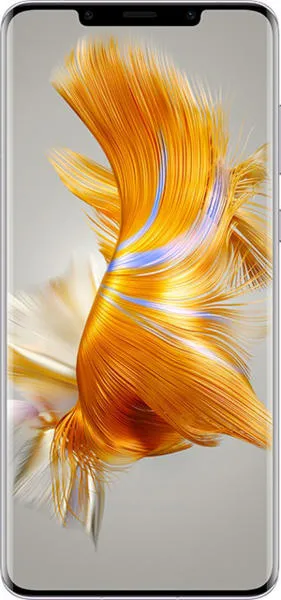
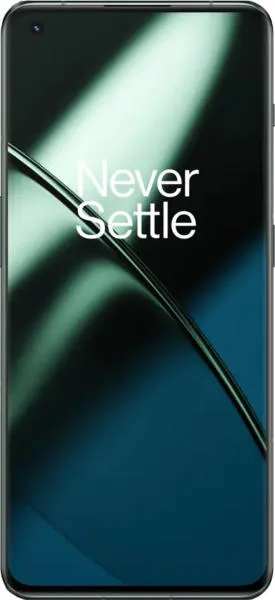
Alright, let's dive into a detailed comparison of the Huawei Mate 50 Pro and the OnePlus 11. Both phones are powerhouses, but they cater to slightly different priorities and preferences. Here’s a breakdown to help you decide which one might be the right fit for you.
1. Specifications Breakdown
| Feature | Huawei Mate 50 Pro | OnePlus 11 | Real-World Implications |
|---|---|---|---|
| Design | |||
| Dimensions | 162.1 × 75.5 × 8.5 mm | 163.1 × 74.1 × 8.5 mm | The Huawei is slightly wider, which may affect one-handed use for some. Both share the same thickness which is great. |
| Weight | 205g | 205g | Identical weight means both should feel equally substantial in your hand. |
| Display | |||
| Size | 6.74" | 6.7" | Practically the same size, providing ample screen real estate. |
| Resolution | 1212x2616 | 1440x3216 | OnePlus 11’s higher resolution translates to noticeably sharper text and images, especially if you're used to high-res displays. |
| Pixel Density (PPI) | 428 | 525 | The OnePlus 11’s higher PPI means more detail and clarity, less pixelation, particularly noticeable when reading small text or viewing fine details. |
| Technology | OLED | AMOLED | Both offer excellent contrast, deep blacks, and vibrant colors; the difference is minimal for everyday use. |
| Refresh Rate | 120Hz | 120Hz | Both provide smooth scrolling and animations, making for a fluid user experience. |
| Brightness | 0 nits | 1300 nits | The OnePlus 11 is significantly brighter, making it far more usable outdoors in bright sunlight. The lack of brightness data for Huawei is concerning. |
| Performance | |||
| Chipset | Snapdragon 8+ Gen 1 4G | Snapdragon 8 Gen 2 | The OnePlus 11 with the newer chip offers better overall performance, faster app loading, and more efficient power usage, making for a faster and more responsive experience. |
| AnTuTu Benchmark Score | 1,022,043 | 1,389,474 | The OnePlus 11 scores significantly higher, indicating smoother and faster operation, particularly in demanding games or heavy multitasking. |
| GPU | Adreno 730 | Adreno 740 | The OnePlus 11's newer GPU provides better graphics performance, which means smoother gameplay and enhanced visual fidelity in graphic-intensive apps. |
| Battery Life | |||
| Capacity | 4700mAh | 5000mAh | The OnePlus 11 has a larger battery, which should translate to marginally better battery life for everyday use, especially with its power efficient chipset. |
| Charging | 66W fast charging | 100W fast charging | The OnePlus 11 charges significantly faster, meaning less time tethered to a charger. |
| Features | 50W wireless charging, 7.5W reverse wireless charging | No wireless charging | The Huawei wins in versatility, offering both wireless charging and the ability to charge other devices. |
| Camera | |||
| Standard Camera | 50MP, f/1.4, 1/1.56" Sony IMX766 | 50MP, f/1.8, 1/1.56" Sony IMX890 | Huawei's wider aperture (f/1.4) should excel in low light compared to the OnePlus 11 f/1.8. |
| Telephoto Lens | 64MP, f/3.5, 1/2" Omnivision OV64B | 32MP, f/2.0, 1/2.74" Sony IMX709 | Huawei's telephoto offers higher resolution and a larger sensor for better zoom capabilities at the expense of the aperture, while the OnePlus 11 prioritizes low light performance. |
| Wide-Angle Lens | 12MP, f/2.2, Sony IMX688 | 48MP, f/2.2, 1/2" Sony IMX581 (Wide Angle + Macro) | Huawei offers a dedicated wide-angle lens, while the OnePlus 11 uses a combined wide-angle and macro lens. |
| Selfie Camera | 13MP, f/2.4 | 16MP, f/2.4, 1/3.1" Samsung S5K3P9 | The OnePlus 11 provides a slightly higher resolution, which may result in slightly sharper selfies and a bigger sensor, for better low light capability. |
| Video Recording | Up to 4K@60fps with HDR | Up to 8K@24fps with HDR | The OnePlus 11 offers higher video resolution, suitable for those interested in professional-grade video, while Huawei offers a wide array of frame rate options in 4K. |
| DXOMark (Mobile Camera) | 149 (photo: 152, video: 141) | 127 (photo: 134, video: 121) | Huawei has a significantly better camera (especially in videos), offering superior photo and video quality based on these benchmark results. Note: Only Huawei has Selfie scores. |
| Connectivity | |||
| WiFi | Wi-Fi 6 (802.11ax) | Wi-Fi 7 (802.11be) | The OnePlus 11 offers a newer, faster, and more efficient Wi-Fi standard. |
| Bluetooth | Bluetooth 5.2 | Bluetooth 5.3 | The OnePlus 11 has a slightly newer Bluetooth version for slightly better stability and efficiency. Both are compatible with high-fidelity audio codecs. |
| SIM | Dual SIM (Nano SIM + Nano SIM) | Dual SIM (Nano SIM + eSIM) | OnePlus 11 adds eSIM capability for better switching and flexibility between carriers. Huawei gives dual sim for 2 physical SIM cards simultaneously. |
| Storage and RAM | |||
| Internal Storage | 256 GB or 512 GB | 128 GB or 256 GB or 512 GB | Both have the same storage capacity, but only OnePlus offers a cheaper option at 128 GB |
| RAM | 8GB | 8 GB or 12 GB or 16 GB | OnePlus has more RAM options for smoother multitasking and better performance, especially when running multiple apps. |
| Expandable Storage | No | No | Neither of them has expandable storage |
| Audio | |||
| Quality | Stereo Speakers | Dolby Atmos, Hi-Res Audio, Stereo Speakers, 2 microphones | The OnePlus 11 has higher quality audio with more features to enhance audio experiences |
| Other | |||
| Build Quality / Screen Protection | Unknown | Corning Gorilla Glass Victus | OnePlus 11 has better screen protection to avoid scratches and damage, Huawei's is unknown. |
2. Key Insights
Huawei Mate 50 Pro Strengths:
- Superior Camera Performance: The Mate 50 Pro dominates in the camera department, boasting better scores in DXOMark tests, especially in video. Its wider aperture standard lens will help in low light scenarios. The higher resolution telephoto and wide angle lenses offer a great zoom experience and a good field of view.
- Wireless Charging: With 50W wireless charging and the ability to reverse charge other devices, the Huawei offers more flexibility in charging.
- Sensor Suite: The additional barometer sensor adds extra functionality, useful for weather tracking, and altitude measurements.
OnePlus 11 Strengths:
- Faster Performance: The Snapdragon 8 Gen 2 provides a significant boost in performance for gaming and multitasking.
- Brighter Display: Its 1300-nit display is much better for outdoor use, ensuring better visibility in bright conditions.
- Superior Charging Speed: The 100W fast charging is incredibly convenient for quick top-ups.
- Modern Connectivity: With Wi-Fi 7 and Bluetooth 5.3, the OnePlus 11 offers the latest standards in connectivity.
- Higher Quality Audio - With Dolby Atmos, Hi-Res Audio and dual microphones, the Oneplus 11 trumps the audio quality.
- eSIM support: For people traveling, the eSIM functionality will be very useful when wanting to swap carriers.
- Screen protection: The Corning Gorilla Glass Victus on the OnePlus 11 gives the phone more durability against scratches and drops.
Trade-offs:
- Huawei: The lack of brightness data is concerning, it only comes with a 4G chipset, and it lacks the new Wi-Fi standards.
- OnePlus: The camera is significantly behind the Huawei in performance, particularly in the video department, and has no wireless charging features.
3. User Profiles and Recommendations
Huawei Mate 50 Pro is best for:
- Photography Enthusiasts: If you value camera quality above all else, especially video, the Huawei is the clear winner.
- Users Who Need Wireless Charging: Those who rely on wireless charging options will prefer the Mate 50 Pro.
- Users needing a dual sim: For those who want 2 physical SIM cards to be active at the same time, the Mate 50 Pro offers this feature.
OnePlus 11 is best for:
- Power Users and Gamers: If you prioritize performance, the OnePlus 11 offers the fastest and smoothest experience.
- Outdoor Users: Its brighter display makes it a better choice for using your phone in sunny conditions.
- People who value latest standards: The faster charging, Wi-Fi 7 and Bluetooth 5.3 will please those wanting modern connectivity
- People wanting to have an eSIM: The digital SIM swapping that an eSIM provides will be very handy for travelers.
- People who need a protected screen: The Corning Gorilla Glass Victus will help avoid scratches and damage from drops.
4. Buying Decision Framework
Here are three questions to help guide your decision:
How important is camera quality to you?
- If it’s your top priority, choose the Huawei Mate 50 Pro. If it is not your top priority, and you prefer faster speeds, choose the OnePlus 11.
Do you prioritize performance, or do you value charging flexibility?
- If you need the best performance, choose the OnePlus 11. If you prefer wireless charging options, choose the Huawei Mate 50 Pro.
Do you value modern connectivity over a slightly better camera?
- If the latest Wi-Fi standards are important, choose the OnePlus 11, otherwise if you would rather have better camera performance, choose the Huawei.
Scenario-Based Recommendations:
- Scenario 1: You're a professional photographer or videographer. The Huawei Mate 50 Pro is the superior choice due to its exceptional camera quality, especially when it comes to video.
- Scenario 2: You’re a hardcore gamer or power user who needs top-tier performance. The OnePlus 11 will give you the edge with its more modern chipset, better performance, and superior charging speeds.
- Scenario 3: You’re an avid traveler who wants flexibility and speed. The OnePlus 11 is better here with it's eSIM support and faster charging.
Personal Choice
If I had to choose, I would go with the OnePlus 11. While the camera on the Huawei is indeed amazing, I value the faster performance, brighter display for outdoor usage, faster charging capabilities and latest connectivity standards. I would be willing to sacrifice some camera performance for these features. The ability to use the latest Wi-Fi standards, Bluetooth 5.3 and having an eSIM would also make the phone great for travel. For my specific use case, the OnePlus 11 offers a more balanced and compelling package.
