1. Specifications Comparison
| Feature | HTC U23 Pro | Xiaomi Redmi Note 13 Pro+ | Practical Impact |
|---|---|---|---|
| Design | |||
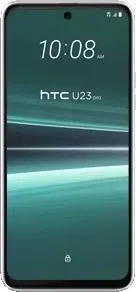
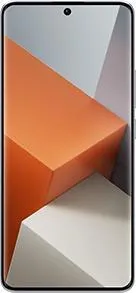
| Dimensions (mm) | 166.6 x 77.1 x 8.9 | 161.4 x 74.2 x 8.9 | Redmi Note 13 Pro+ is slightly smaller and potentially more comfortable for one-handed use. |
| Weight (g) | 205 | 199 | Negligible weight difference in real-world usage. |
| Display | |||
| Size (inches) | 6.7 | 6.67 | Virtually identical screen sizes. |
| Resolution | 1080 x 2400 | 1220 x 2712 | Redmi Note 13 Pro+ has a sharper display with noticeably higher pixel density, resulting in crisper text and images. |
| Type | OLED, 120Hz | AMOLED, 120Hz, Dolby Vision, HDR10+, 1800 nits (peak) | Both offer smooth scrolling with 120Hz. Redmi boasts superior color reproduction (68B colors vs. unknown for HTC), HDR support for richer visuals, and significantly higher peak brightness for better outdoor visibility. |
| Performance | |||
| Chipset | Snapdragon 7 Gen 1 | Dimensity 7200 Ultra | Both are mid-range chipsets, but benchmarks suggest Dimensity 7200 Ultra might offer slightly better performance in certain tasks. Real-world differences might be minimal for average users. |
| CPU | Octa-core (1x2.4 GHz A710 & 3x2.36 GHz A710 & 4x1.8 GHz A510) | Octa-core (2x2.8 GHz A715 & 6x2.0 GHz A510) | Redmi's CPU configuration suggests potential advantages in multi-core performance due to the higher clock speeds of its performance cores. |
| GPU | Adreno 644 | Mali-G610 MC4 | GPU performance comparisons are inconclusive without benchmarks. Both should handle most games at decent settings. |
| RAM | 8GB/12GB | 8GB/12GB/16GB | More RAM options available for the Redmi, potentially beneficial for heavy multitaskers. |
| Camera | |||
| Main Camera | 108MP | 200MP | Redmi has a higher resolution main sensor. Image quality depends on factors beyond resolution, including sensor size and software processing. Redmi provides more detail on sensor specifics. |
| Video | 4K@30fps with EIS | 4K@30fps with EIS, 1080p@120fps | Both offer 4K video recording with stabilization. Redmi offers higher frame rate slow-motion video (120fps vs unknown for the HTC). |
| Battery | |||
| Capacity | 4600 mAh | 5000 mAh | Redmi offers a larger battery, likely translating to longer battery life. |
2. Key Differences Analysis
HTC U23 Pro Advantages:
- Potentially wider software update support: HTC has a history of providing longer software updates. However, confirmed maximum Android version is unavailable for the U23 Pro.
Xiaomi Redmi Note 13 Pro+ Advantages:
- Superior Display: Brighter, sharper, and with better color reproduction and HDR support.
- Higher Resolution Camera: 200MP main sensor with detailed sensor specifications, suggesting better low-light performance and detail capture. More comprehensive camera feature set including slow-motion video at 120fps.
- Larger Battery: Potentially longer battery life.
- Potentially Faster Performance: Dimensity 7200 Ultra and CPU configuration suggest performance advantages.
3. User Profiles & Recommendations
HTC U23 Pro: Users prioritizing potential long-term software updates and clean Android experience.
Xiaomi Redmi Note 13 Pro+: Users who value a vibrant display, a high-resolution camera, long battery life, and potentially faster performance. Suitable for mobile photography enthusiasts, gamers, and heavy users.
4. Decision Framework
Key Questions for Buyers:
- Display Quality Priority: How important is screen brightness, sharpness, and HDR support?
- Camera Needs: Is a high-resolution camera with advanced features a primary requirement?
- Battery Life Importance: Is all-day battery life a critical factor?
My Choice: Xiaomi Redmi Note 13 Pro+
Reasoning: The Redmi Note 13 Pro+ offers a compelling combination of a superior display, a high-resolution camera with more advanced features, and a larger battery. While the HTC might offer a cleaner software experience and potentially longer updates (unconfirmed), the Redmi's tangible benefits in display, camera, and battery life outweigh those potential advantages for me. The slightly smaller form factor is also appealing. The more detailed technical specifications available for the Redmi also contribute to confidence in its capabilities.
