1. Specifications Comparison
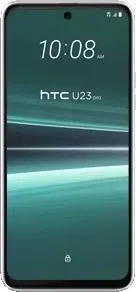
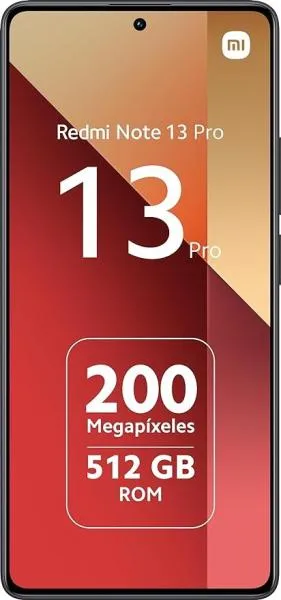
| Feature | HTC U23 Pro | Xiaomi Redmi Note 13 Pro 4G | Practical Impact |
|---|---|---|---|
| Design | |||
| Dimensions (mm) | 166.6 x 77.1 x 8.9 | 161.1 x 75 x 8 | Redmi is slightly smaller and thinner, potentially improving one-handed use. |
| Weight (g) | 205 | 188 | Redmi is noticeably lighter, reducing hand fatigue during extended use. |
| Display | |||
| Size (inches) | 6.7 | 6.67 | Negligible size difference. |
| Resolution (pixels) | 1080 x 2400 | 1080 x 2400 | Identical resolution, similar visual clarity. |
| Type | OLED, 120Hz | AMOLED, 1B colors, 120Hz | Both offer smooth scrolling and vibrant colors thanks to OLED technology and 120Hz refresh rate. Redmi's 1B colors offer a wider color gamut for more accurate color representation. Redmi's higher peak brightness (1300 nits vs. unknown for HTC) ensures better visibility in direct sunlight. |
| Performance | |||
| Chipset | Snapdragon 7 Gen 1 | MediaTek Helio G99 Ultra | Snapdragon 7 Gen 1 generally offers better performance in demanding tasks and gaming due to its superior GPU. |
| CPU | Octa-core (1x2.4 GHz A710 & 3x2.36 GHz A710 & 4x1.8 GHz A510) | Octa-core (2x2.2 GHz A76 & 6x2.0 GHz A55) | While both are Octa-core, architectural differences favor the Snapdragon 7 Gen 1 for overall speed and efficiency. |
| RAM (GB) | 8/12 | 8/12 | Both offer configurations with ample RAM for multitasking. |
| Camera | |||
| Main Camera (MP) | 108 | 200 | Redmi boasts significantly higher resolution, potentially capturing more detail. However, megapixels alone don't guarantee image quality. |
| Sensor | Unspecified | Samsung ISOCELL HP3 (1/1.4") | Redmi's larger sensor likely performs better in low-light conditions and offers greater dynamic range. HTC's unspecified sensor makes a detailed comparison impossible. |
| Video | 4K@30fps | 1080p@60fps | HTC offers higher resolution video recording, while Redmi offers smoother frame rates at 1080p. |
| Battery | |||
| Capacity (mAh) | 4600 | 5000 | Redmi has a larger battery capacity, potentially lasting longer on a single charge. |
2. Key Differences Analysis
HTC U23 Pro Advantages:
- Potentially superior processing power: Snapdragon 7 Gen 1 generally outperforms the Helio G99 in demanding tasks and gaming.
- Higher resolution video recording: Offers 4K recording for more detailed videos.
Xiaomi Redmi Note 13 Pro 4G Advantages:
- Larger battery: 5000mAh battery likely provides longer battery life.
- Higher resolution main camera: 200MP sensor potentially captures more detail.
- Brighter Display: Offers superior peak brightness for better outdoor visibility.
- Lower Price: Generally available at a lower price point.
- Larger sensor: Redmi's main camera sensor is larger, suggesting better low light performance.
3. User Profiles & Recommendations
HTC U23 Pro: Users who prioritize performance for gaming or demanding applications and require 4K video recording.
Xiaomi Redmi Note 13 Pro 4G: Users seeking long battery life, a bright display for outdoor use, and a high-resolution camera for everyday photography. Budget-conscious users will also find this phone appealing.
4. Decision Framework
Key Questions:
- What is your budget? The Redmi Note 13 Pro 4G is generally more affordable.
- What are your primary use cases? Gaming and demanding tasks favor the HTC U23 Pro, while general use, photography, and long battery life favor the Redmi.
- Do you prioritize video recording quality or resolution? HTC offers 4K, while Redmi offers smoother 1080p.
My Choice: Xiaomi Redmi Note 13 Pro 4G
While the HTC U23 Pro might offer a slight performance advantage, the Redmi Note 13 Pro 4G provides a more well-rounded package for my needs. The significantly larger battery, brighter display, higher resolution main camera with a larger sensor size, and lower price point are compelling advantages. The Redmi's 1080p@60fps video recording is sufficient for most users, and the difference in chipset performance wouldn't significantly impact my daily usage. Ultimately, the Redmi offers better value for its price.
