1. Specifications Comparison
| Feature | HTC U23 Pro | Xiaomi Redmi Note 13 Pro | Practical Impact |
|---|---|---|---|
| Design | |||
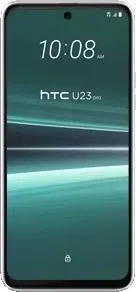
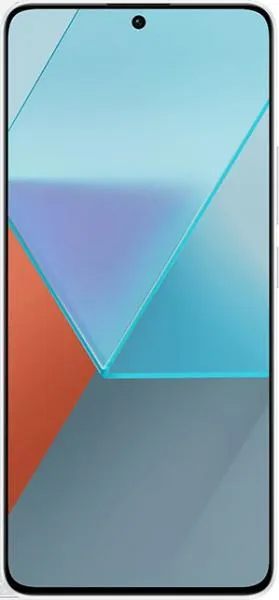
| Dimensions (mm) | 166.6 x 77.1 x 8.9 | 161.2 x 74.2 x 8.0 | Redmi Note 13 Pro is slightly smaller and thinner, potentially improving one-handed usability. |
| Weight (g) | 205 | 187 | Redmi Note 13 Pro is noticeably lighter, reducing hand fatigue during extended use. |
| Display | |||
| Display Type | OLED, 120Hz | AMOLED, 120Hz, Dolby Vision | Both offer smooth scrolling with 120Hz. Redmi's AMOLED with Dolby Vision likely provides better color accuracy, contrast, and HDR performance. |
| Display Size (inches) | 6.7 | 6.67 | Negligible size difference. |
| Resolution | 1080 x 2400 | 1220 x 2712 | Redmi Note 13 Pro has a sharper display with higher pixel density (446 ppi vs 393 ppi), resulting in crisper text and images. |
| Peak Brightness (nits) | Not specified | 1800 | Redmi Note 13 Pro's significantly higher peak brightness ensures better outdoor visibility. Missing peak brightness for the U23 Pro limits a full comparison. |
| Performance | |||
| Chipset | Snapdragon 7 Gen 1 | Snapdragon 7s Gen 2 | Both are mid-range chipsets. Performance differences likely minimal for everyday tasks, though benchmarks would be needed for definitive comparison. |
| CPU | Octa-core (1x2.4 GHz A710 & 3x2.36 GHz A710 & 4x1.8 GHz A510) | Octa-core (4x2.4 GHz A78 & 4x1.95 GHz A55) | Redmi Note 13 Pro might have a slight edge in CPU performance due to the faster Cortex-A78 cores. |
| GPU | Adreno 644 | Adreno 710 | While both GPUs are capable, the Adreno 710 in the Redmi Note 13 Pro generally offers better gaming performance. |
| RAM | 8GB (in some models, 12GB is mentioned but storage size is unclear) | 8GB/12GB/16GB | Redmi offers more RAM options, with higher RAM potentially benefiting multitasking and demanding applications. |
| Camera | |||
| Main Camera | 108MP | 200MP | Redmi Note 13 Pro boasts a higher resolution main sensor. However, megapixel count doesn't guarantee better image quality. Sensor size and other factors also play crucial roles. Missing sensor details for the U23 Pro limit in-depth comparison. |
| Video Recording | 4K@30fps with EIS | 4K@30fps with EIS, 1080p@120fps with EIS | Both offer 4K recording. Redmi Note 13 Pro provides more slow-motion video options. |
| Battery | |||
| Capacity | 4600 mAh | 5100 mAh | Redmi Note 13 Pro has a larger battery capacity, likely translating to longer battery life. |
2. Key Differences Analysis
HTC U23 Pro Advantages:
- Potentially better software updates: HTC has a history of providing longer software updates compared to Xiaomi in some regions.
Xiaomi Redmi Note 13 Pro Advantages:
- Sharper Display: Higher resolution and pixel density provide a more visually appealing experience.
- Brighter Display: Superior outdoor visibility due to higher peak brightness.
- Larger Battery: Potentially longer battery life.
- More RAM Options: Better multitasking and performance with higher RAM configurations.
- More Versatile Camera System: Higher resolution main sensor and more slow-motion video options.
- Lower Price: Based on provided pricing, the Redmi Note 13 Pro is significantly cheaper.
3. User Profiles & Recommendations
HTC U23 Pro: Users who prioritize potential longer software support, expandable storage and a clean Android experience.
Xiaomi Redmi Note 13 Pro: Users who value a vibrant display, long battery life, strong performance for the price, and versatile camera features. Suitable for gaming, media consumption, and everyday use. Excellent value proposition.
4. Decision Framework
Key Questions for Buyers:
- How important is display quality? Redmi Note 13 Pro significantly excels in this area.
- What's your budget? Redmi Note 13 Pro offers much higher value for its price.
- How important is software update longevity? HTC might offer longer support depending on the region.
My Choice: Xiaomi Redmi Note 13 Pro
Reasons:
The Redmi Note 13 Pro offers a compelling package with a superior display, longer battery life, and potentially stronger performance, all at a significantly lower price. While missing information on the HTC U23 Pro limits a definitive comparison in some areas, the available data strongly favors the Redmi Note 13 Pro for most users. The sharper, brighter display, combined with the larger battery and more versatile camera, makes it a clear winner for everyday use, media consumption, and even light gaming. The significantly lower price further solidifies its value proposition. While HTC may have a slight edge in potential software updates, the Redmi's advantages in crucial areas like display, battery and price outweigh this for me.
