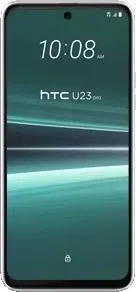
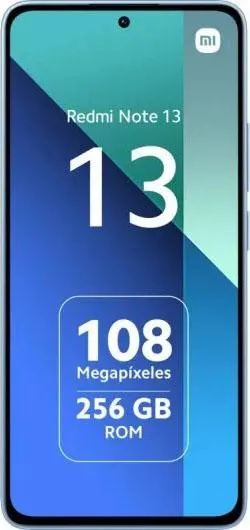
1. Specifications Comparison
| Feature | HTC U23 Pro | Xiaomi Redmi Note 13 4G | Practical Impact |
|---|---|---|---|
| Design | |||
| Dimensions (mm) | 166.6 x 77.1 x 8.9 | 162.3 x 75.6 x 8.0 | Redmi Note 13 is slightly smaller and thinner, potentially more comfortable for one-handed use. |
| Weight (g) | 205 | 188.5 | Redmi Note 13 is noticeably lighter, reducing hand fatigue during extended use. |
| Display | |||
| Size (inches) | 6.7 | 6.67 | Negligible difference in screen real estate. |
| Resolution (px) | 1080 x 2400 | 1080 x 2400 | Identical resolution, similar sharpness. |
| Type | OLED, 120Hz | AMOLED, 120Hz | Both offer smooth scrolling and animations thanks to 120Hz refresh rate. AMOLED generally offers better contrast and color accuracy. |
| Peak Brightness (nits) | Not specified | 1800 | Redmi Note 13's significantly higher peak brightness ensures better outdoor visibility. Missing spec for U23 Pro limits comparison. |
| Performance | |||
| Chipset | Snapdragon 7 Gen 1 (4 nm) | Snapdragon 685 (6 nm) | 7 Gen 1 offers significantly better CPU and GPU performance, resulting in smoother multitasking, gaming, and demanding tasks. |
| CPU | Octa-core (1x2.4 GHz A710 & 3x2.36 GHz A710 & 4x1.8 GHz A510) | Octa-core (4x2.8 GHz A73 & 4x1.9 GHz A53) | 7 Gen 1's newer architecture and higher clock speeds provide a performance advantage despite lower core count on paper. |
| GPU | Adreno 644 | Adreno 610 | Adreno 644 provides superior graphics performance for gaming and visually intensive applications. |
| RAM (GB) | 8/12 | 6/8 | More RAM in some U23 Pro variants allows for better multitasking and app switching. |
| Camera | |||
| Main Camera (MP) | 108 | 108 | Megapixel count is similar, but sensor quality and image processing significantly impact final image quality. Detailed sensor specs are missing for U23 Pro. |
| Video Recording | 4K@30fps with EIS | 1080p@30fps | U23 Pro can record higher resolution video. EIS is present on both. |
| Battery | |||
| Capacity (mAh) | 4600 | 5000 | Redmi Note 13 offers longer battery life due to higher capacity. |
2. Key Differences Analysis
HTC U23 Pro Advantages:
- Superior Performance: The Snapdragon 7 Gen 1 significantly outperforms the Snapdragon 685 in processing power and graphics rendering. This translates to a smoother user experience, especially in demanding tasks like gaming or video editing.
- Higher Resolution Video Recording: Capability to record 4K video provides more detail compared to 1080p on the Redmi Note 13.
Xiaomi Redmi Note 13 4G Advantages:
- Longer Battery Life: The 5000 mAh battery offers a longer usage time on a single charge.
- Lighter and More Compact: Noticeably lighter and slightly smaller dimensions improve handling comfort.
- Brighter Display: The 1800 nits peak brightness ensures excellent outdoor visibility.
- Lower Price: Significantly more affordable, offering good value for its specifications.
3. User Profiles & Recommendations
HTC U23 Pro: Users who prioritize performance for gaming, demanding applications, and multitasking, and require 4K video recording.
Xiaomi Redmi Note 13 4G: Users who prioritize battery life, affordability, and outdoor visibility. Suitable for everyday tasks, social media, web browsing, and casual gaming.
4. Decision Framework
Key Questions for Buyers:
- What is your budget? The Redmi Note 13 is considerably cheaper.
- What are your primary use cases? Gaming and heavy multitasking favor the U23 Pro, while general use favors the Redmi Note 13.
- How important is battery life and outdoor visibility? The Redmi Note 13 excels in these areas.
Scenario-Based Recommendations:
- Heavy Gamer: HTC U23 Pro for its superior performance.
- Casual User on a Budget: Redmi Note 13 for its affordability and long battery life.
- Outdoor Enthusiast: Redmi Note 13 for its bright display.
My Choice: Xiaomi Redmi Note 13 4G
While the HTC U23 Pro boasts better performance, the Redmi Note 13 4G offers a more compelling overall package for my needs. The significantly lower price, combined with excellent battery life, a bright display for outdoor use, and a lightweight design, makes it a more practical choice. For my typical usage scenario, which involves web browsing, social media, communication, and occasional light gaming, the performance difference wouldn't be noticeable enough to justify the higher price of the U23 Pro. The Redmi Note 13 strikes a better balance between price, features, and everyday usability. The lack of specific camera sensor details for the HTC U23 Pro further hinders a comprehensive comparison in that crucial area.
