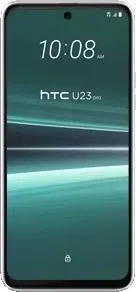
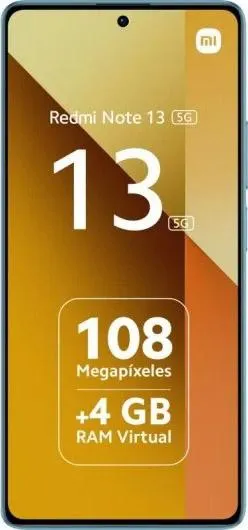
1. Specifications Comparison
| Feature | HTC U23 Pro | Xiaomi Redmi Note 13 | Practical Impact |
|---|---|---|---|
| Design | |||
| Dimensions (mm) | 166.6 x 77.1 x 8.9 | 161.1 x 75 x 7.6 | Redmi Note 13 is noticeably smaller and thinner, making it potentially more pocketable and comfortable for one-handed use. |
| Weight (g) | 205 | 174.5 | Redmi Note 13 is significantly lighter, reducing hand fatigue during extended use. |
| Display | |||
| Size (inches) | 6.7 | 6.67 | Negligible size difference. |
| Resolution (px) | 1080 x 2400 | 1080 x 2400 | Identical resolution, resulting in similar sharpness. |
| Type | OLED, 120Hz | AMOLED, 1B colors, 120Hz | Both offer smooth scrolling and animations thanks to the 120Hz refresh rate. Redmi Note 13's 1B colors offer a wider color gamut potentially resulting in more vibrant visuals. |
| PPI | 393 | 395 | Virtually indistinguishable pixel density. |
| Performance | |||
| Chipset | Snapdragon 7 Gen 1 (4 nm) | MediaTek Dimensity 6080 (6 nm) | Snapdragon 7 Gen 1 generally offers better performance and efficiency. Expect smoother multitasking and gaming on the U23 Pro. |
| CPU | Octa-core (1x2.4 GHz A710 & 3x2.36 GHz A710 & 4x1.8 GHz A510) | Octa-core (2x2.4 GHz A76 & 6x2.0 GHz A55) | While both are octa-core, the architectural differences favor the Snapdragon 7 Gen 1 in the U23 Pro for demanding tasks. |
| GPU | Adreno 644 | Mali-G57 MC2 | Adreno 644 generally provides superior graphics performance, beneficial for gaming and visually intensive applications. |
| RAM (GB) | 8/12 | 6/8/12 | Both offer configurations with ample RAM; however, more RAM options provide flexibility for the Redmi Note 13. |
| Camera | |||
| Main Camera (MP) | 108 | 108 | Similar megapixel count, but sensor details (sensor size, pixel size) are crucial for image quality and are missing for the HTC U23 Pro. Redmi Note 13 provides detailed sensor information suggesting better low-light performance due to larger pixel size and sensor. |
| Video Recording | 4K@30fps with EIS, 1080p@30fps with EIS | 1080p@30fps | U23 Pro offers 4K video recording, a significant advantage for content creators. |
| Battery | |||
| Capacity (mAh) | 4600 | 5000 | Redmi Note 13 has a larger battery, likely resulting in longer usage time on a single charge. |
| Other | |||
| OS | Android 13 | Android 13 (up to 16) | Redmi Note 13 has a confirmed longer software update cycle, ensuring security and feature updates for a longer period. |
| Price Range | Medium | Low | Redmi Note 13 offers a significantly lower price point. |
2. Key Differences Analysis
HTC U23 Pro Advantages:
- Superior Performance: The Snapdragon 7 Gen 1 and Adreno 644 offer a smoother and more responsive experience, especially for demanding tasks and gaming.
- 4K Video Recording: A significant advantage for users who record videos frequently.
Xiaomi Redmi Note 13 Advantages:
- Lower Price: Offers excellent value for money.
- Larger Battery: Potentially longer battery life translates to less frequent charging.
- Longer Software Support: Guaranteed updates to Android 16 ensure security and new features for an extended period.
- Lighter and More Compact: Enhanced portability and one-handed usability.
- Better Main Camera Sensor (on paper): Larger sensor and pixel size on the Redmi Note 13 suggest superior low-light performance.
3. User Profiles & Recommendations
HTC U23 Pro: Users who prioritize performance, gaming, and high-quality video recording, and are willing to pay a premium for it.
Xiaomi Redmi Note 13: Budget-conscious users who prioritize battery life, long-term software updates, and a lightweight design. Suitable for everyday tasks, social media, and casual gaming.
4. Decision Framework
Key Questions for Buyers:
- What is your budget? The Redmi Note 13 is a clear winner for budget-conscious buyers.
- What are your performance requirements? For demanding tasks and gaming, the U23 Pro's superior processor is crucial.
- How important is camera quality and video recording capability? The U23 Pro offers 4K recording, while Redmi Note 13 has a potentially better main camera for stills.
My Choice: Xiaomi Redmi Note 13
While the HTC U23 Pro offers better performance and 4K video recording, the Xiaomi Redmi Note 13 presents a more compelling overall package for me. Its significantly lower price, larger battery, longer software support, and lighter design outweigh the performance advantages of the U23 Pro for my personal needs. I prioritize long-term value, portability, and all-day battery life over peak performance. The potential superior camera quality of the Redmi Note 13, based on the available sensor information, further strengthens its position. The price difference is substantial enough to justify the trade-off in processing power for my usage, which primarily involves everyday tasks, web browsing, media consumption, and occasional casual gaming.
