1. Specifications Comparison
| Feature | HTC U23 Pro | Xiaomi Redmi A3 | Practical Impact |
|---|---|---|---|
| Design | |||
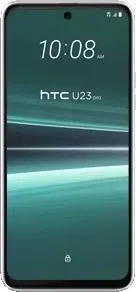
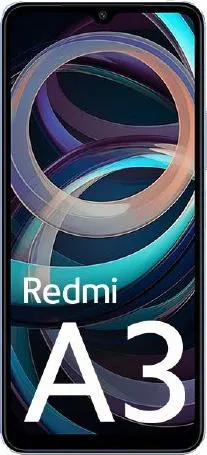
| Dimensions (mm) | 166.6 x 77.1 x 8.9 | 168.3 x 76.3 x 8.3 | Redmi A3 is slightly taller and thinner. Negligible difference in daily use. |
| Weight (g) | 205 | 193 | Redmi A3 is slightly lighter, but the difference is minimal. |
| Build | Missing | Missing | Build quality and materials cannot be compared due to missing information. |
| Display | |||
| Display Type | OLED, 120Hz | IPS LCD, 90Hz | U23 Pro offers deeper blacks, more vibrant colors, and smoother scrolling thanks to OLED and 120Hz. Redmi A3's LCD is less power-efficient with less impressive visuals. |
| Display Size (inches) | 6.7 | 6.71 | Virtually identical screen sizes. |
| Resolution | 1080 x 2400 | 720 x 1650 | U23 Pro has a significantly sharper display (393 ppi vs 268 ppi), resulting in clearer text and images. |
| Performance | |||
| Chipset | Snapdragon 7 Gen 1 (4 nm) | Mediatek Helio G36 (12 nm) | U23 Pro boasts a much more powerful processor, enabling significantly faster performance and smoother multitasking. |
| CPU | Octa-core (1x2.4 GHz A710 & 3x2.36 GHz A710 & 4x1.8 GHz A510) | Octa-core (4x2.2 GHz A53 & 4x1.6 GHz A53) | U23 Pro's CPU architecture is more modern and powerful, leading to superior performance in demanding tasks and gaming. |
| GPU | Adreno 644 | PowerVR GE8320 | U23 Pro's GPU provides significantly better graphics performance for gaming and visually intensive applications. |
| RAM | 8GB/12GB | 3GB/4GB/6GB | U23 Pro offers more RAM, ensuring smoother multitasking and better performance with multiple apps open. |
| Camera | |||
| Rear Camera | 108MP Main, 8MP Wide, 5MP Depth, 2MP Macro | 8MP Main, 0.3MP (unknown), | U23 Pro provides a higher resolution main sensor and versatile lens options for a superior photography experience. The purpose of the 0.3MP sensor on the Redmi A3 is unclear. |
| Front Camera | 32MP | 5MP | U23 Pro offers much higher resolution for selfies. |
| Video Recording | 4K@30fps with EIS, 1080p@30fps with EIS | 1080p@30fps | U23 Pro offers higher resolution video recording and Electronic Image Stabilization (EIS) for smoother footage. |
| Battery | |||
| Capacity | 4600 mAh | 5000 mAh | Redmi A3 has a larger battery capacity, potentially offering longer battery life. However, real-world battery life depends on various factors including display, processor efficiency, and software optimization. |
| Charging Speed | Missing | Missing | Charging speeds cannot be compared due to missing information. |
2. Key Differences Analysis
HTC U23 Pro Advantages:
- Significantly better performance: The Snapdragon 7 Gen 1, coupled with more RAM, offers a vastly superior experience for demanding tasks, gaming, and multitasking.
- Superior Display: The OLED display with a 120Hz refresh rate delivers vibrant colors, deep blacks, and smooth scrolling.
- More Versatile Camera: The higher resolution main camera, along with wide, depth, and macro lenses, allows for more creative photography.
Xiaomi Redmi A3 Advantages:
- Potentially Longer Battery Life: The 5000mAh battery might offer longer usage time, though real-world results depend on various factors.
- Lower Price: The Redmi A3 is significantly cheaper, making it a budget-friendly option.
Trade-offs:
- The Redmi A3 sacrifices performance, display quality, and camera capabilities for a lower price point and potentially longer battery life.
- The U23 Pro comes at a premium price but offers a significantly enhanced user experience in terms of performance, visuals, and camera functionality.
3. User Profiles & Recommendations
HTC U23 Pro: Suitable for users who prioritize performance, a high-quality display, and a versatile camera. Ideal for gaming, content creation, and multitasking.
Xiaomi Redmi A3: Best suited for budget-conscious users who prioritize basic functionality and long battery life for everyday tasks like calling, texting, and browsing.
4. Decision Framework
Key Questions for Buyers:
- What is your budget? The Redmi A3 is a budget option, while the U23 Pro is a mid-range device.
- What are your primary use cases? For demanding tasks and multimedia consumption, the U23 Pro is a better choice. For basic communication and light usage, the Redmi A3 suffices.
- How important is display quality and performance? The U23 Pro offers a significant advantage in these areas.
Scenario-Based Recommendations:
- Heavy user, gamer, content creator: HTC U23 Pro
- Budget-conscious user, light usage: Xiaomi Redmi A3
My Choice: HTC U23 Pro
While the Redmi A3 offers a lower price and potentially longer battery life, the HTC U23 Pro is the superior device overall. The significant difference in performance, display quality, and camera versatility makes it a much more compelling option for me. I prioritize a smooth and responsive user experience, a vibrant display for media consumption, and a good camera for capturing photos and videos. The U23 Pro delivers on all these fronts. The higher price is justified by the significantly enhanced user experience. While battery life is important, I would rather have a slightly shorter battery life with a much better performing device.
