1. Specifications Comparison
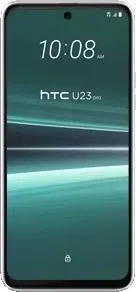
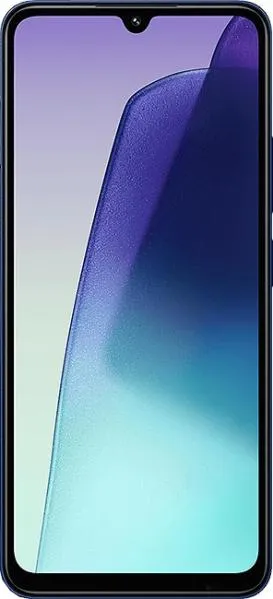
| Feature | HTC U23 Pro | Xiaomi Redmi 14C | Practical Impact |
|---|---|---|---|
| Design | |||
| Dimensions (mm) | 166.6 x 77.1 x 8.9 | 171.9 x 77.8 x 8.2 | Redmi 14C is slightly larger and thinner. |
| Weight (g) | 205 | 211 | Negligible weight difference in real-world usage. |
| Build | Missing | Missing | Build quality and materials unknown, impacting durability and premium feel. |
| Display | |||
| Size (inches) | 6.7 | 6.88 | Redmi 14C has a slightly larger display. |
| Resolution | 1080 x 2400 | 720 x 1640 | U23 Pro has significantly sharper visuals due to higher resolution. Redmi 14C's lower resolution might result in pixelation. |
| Panel Type | OLED, 120Hz | IPS LCD, 120Hz | U23 Pro's OLED offers deeper blacks, better contrast, and potentially more vibrant colors. Both have smooth scrolling thanks to 120Hz refresh rate. |
| PPI | 393 | 260 | Noticeably higher pixel density on the U23 Pro translates to sharper text and images. |
| Performance | |||
| Chipset | Snapdragon 7 Gen 1 | MediaTek Helio G81 Ultra | U23 Pro's Snapdragon 7 Gen 1 offers significantly better performance in demanding tasks and gaming. |
| CPU | Octa-core (1x2.4 GHz Cortex-A710 & 3x2.36 GHz Cortex-A710 & 4x1.8 GHz Cortex-A510) | Octa-core (2x2.0 GHz Cortex-A75 & 6x1.8 GHz Cortex-A55) | U23 Pro has a more modern and powerful CPU architecture. |
| GPU | Adreno 644 | Mali-G52 MC2 | U23 Pro's Adreno 644 provides a superior gaming and graphics rendering experience. |
| RAM | 8GB/12GB | 4GB/6GB/8GB | U23 Pro offers more RAM in its top configuration, enabling better multitasking and smoother performance. |
| Camera | |||
| Rear Camera | 108MP Main, 8MP Wide, 5MP Depth, 2MP Macro | 50MP Main, 0.8MP (Unspecified), | U23 Pro boasts a higher resolution main sensor and dedicated depth and macro lenses, potentially offering greater versatility. The secondary 0.8MP sensor on Redmi 14C has unclear functionality. |
| Front Camera | 32MP | 13MP | U23 Pro has a significantly higher resolution front camera for better selfies. |
| Video | 4K@30fps | 1080p@30fps | U23 Pro can record higher resolution video. |
| Battery | |||
| Capacity (mAh) | 4600 | 5160 | Redmi 14C has a larger battery capacity, potentially offering longer battery life. |
| Charging Speed | Missing | Missing | Charging speed significantly impacts usability but cannot be compared due to missing information. |
2. Key Differences Analysis
HTC U23 Pro Advantages:
- Superior Performance: The Snapdragon 7 Gen 1 and higher RAM configuration deliver a smoother and faster user experience, especially for gaming and demanding tasks.
- Sharper Display: Higher resolution OLED display provides a significant visual upgrade.
- More Versatile Camera System: Higher resolution sensors and dedicated lenses offer more photography options.
Xiaomi Redmi 14C Advantages:
- Larger Battery: Potentially longer battery life, though real-world usage depends on optimization.
- Lower Price: Significantly more affordable, offering good value for budget-conscious users.
- Larger Display Size: Provides more screen real estate for media consumption.
3. User Profiles & Recommendations
HTC U23 Pro: Users who prioritize performance, a high-quality display, and a versatile camera. Ideal for gaming, media consumption, and mobile photography enthusiasts.
Xiaomi Redmi 14C: Budget-conscious users who primarily use their phone for basic tasks like calling, texting, browsing, and social media.
4. Decision Framework
Key Questions for Buyers:
- What is your budget? The Redmi 14C offers significant cost savings.
- What are your primary phone usage patterns? For demanding tasks, the U23 Pro is a better choice.
- How important are display quality and camera performance? The U23 Pro excels in these areas.
My Choice: HTC U23 Pro
While the Redmi 14C offers incredible value for its price, the HTC U23 Pro is the better overall phone for my needs. The superior performance, significantly better display, and more versatile camera system outweigh the Redmi 14C's larger battery and lower price. I prioritize a smooth user experience, high-quality visuals, and good camera capabilities, and I am willing to pay more for these features. The significantly lower resolution screen of the Redmi 14C is a major drawback for me. While battery life is important, I am confident that the U23 Pro's battery will be sufficient for my usage. The performance difference would greatly impact my daily usage. The lack of detail regarding the Redmi 14C's secondary rear camera also raises concerns about its practical usefulness.
