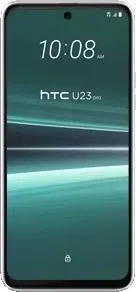
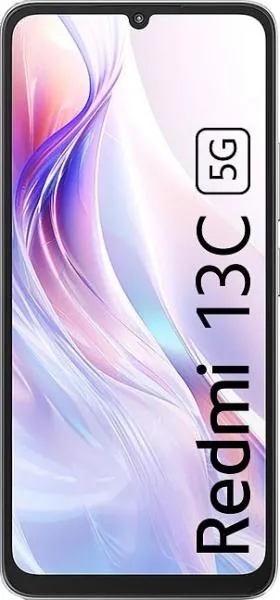
1. Specifications Comparison
| Feature | HTC U23 Pro | Xiaomi Redmi 13C 5G | Practical Impact |
|---|---|---|---|
| Design | |||
| Dimensions (mm) | 166.6 x 77.1 x 8.9 | 168 x 78 x 8.1 | Redmi 13C is slightly larger and thicker. |
| Weight (g) | 205 | 192 | Redmi 13C is slightly lighter. |
| Build | Not specified | Not specified | Build quality and materials cannot be compared. |
| Display | |||
| Display Type | OLED, 120Hz | IPS LCD, 90Hz | U23 Pro offers deeper blacks, more vibrant colors, and smoother scrolling due to OLED and higher refresh rate. Redmi 13C's LCD may be visible in bright sunlight. |
| Display Size (inches) | 6.7 | 6.74 | Negligible size difference. |
| Resolution | 1080 x 2400 | 720 x 1600 | U23 Pro has a significantly sharper display (393 ppi vs 260 ppi), resulting in clearer text and images. |
| Performance | |||
| Chipset | Snapdragon 7 Gen 1 (4 nm) | Dimensity 6100+ (6 nm) | U23 Pro likely offers better performance and efficiency due to a more powerful chipset. |
| CPU | Octa-core (1x2.4 GHz Cortex-A710 & 3x2.36 GHz Cortex-A710 & 4x1.8 GHz Cortex-A510) | Octa-core (2x2.2 GHz Cortex-A76 & 6x2.0 GHz Cortex-A55) | U23 Pro's CPU architecture suggests superior performance in demanding tasks. |
| GPU | Adreno 644 | Mali-G57 MC2 | U23 Pro likely has a more powerful GPU, leading to better gaming performance. |
| RAM | 8GB/12GB | 4GB/6GB/8GB | U23 Pro offers more RAM in its higher-end configuration, enabling better multitasking and smoother performance. |
| Camera | |||
| Rear Camera | 108MP Main, 8MP Wide, 5MP Depth, 2MP Macro | 50MP Main, 0.8MP(unknown), | U23 Pro boasts a higher resolution main sensor and additional lenses for versatility. The 0.8MP sensor on the Redmi 13C's purpose is unclear and likely insignificant. |
| Front Camera | 32MP | 5MP | U23 Pro has a significantly higher resolution front camera for better selfies. |
| Video Recording | 4K@30fps with EIS, 1080p@30fps with EIS | 1080p@30fps | U23 Pro offers 4K video recording and Electronic Image Stabilization (EIS) for smoother videos. |
| Battery | |||
| Capacity | 4600 mAh | 5000 mAh | Redmi 13C has a larger battery capacity, potentially offering longer battery life. However, real-world battery life depends on various factors including software optimization and display type. |
| Other | |||
| NFC | Yes | No | U23 Pro supports contactless payments and data transfer via NFC. |
| USB | USB Type-C 3.0 | USB Type-C 2.0 | U23 Pro offers faster data transfer speeds through USB 3.0. |
| Price Range | Medium | Medium | While both are in the medium price range, the Redmi 13C appears to be significantly cheaper based on the provided pricing data. |
2. Key Differences Analysis
HTC U23 Pro Advantages:
- Superior Display: OLED with 120Hz refresh rate offers significantly better visual quality and smoother scrolling.
- Higher Performance: More powerful chipset and GPU for demanding tasks and gaming.
- More Versatile Camera: Higher resolution sensors and multiple lenses for various shooting scenarios.
- NFC Functionality: Enables contactless payments and data transfer.
- Faster Data Transfer: USB 3.0 support.
Xiaomi Redmi 13C 5G Advantages:
- Larger Battery: Potentially longer battery life.
- Lower Price: Significantly more affordable.
3. User Profiles & Recommendations
HTC U23 Pro: Users who prioritize display quality, performance, camera versatility, and features like NFC. Suitable for:
- Mobile gamers
- Photography enthusiasts
- Users who consume multimedia content heavily
- Users who rely on contactless payments
Xiaomi Redmi 13C 5G: Budget-conscious users who prioritize battery life and basic functionality. Suitable for:
- Casual users primarily focused on communication and web browsing
- Users seeking an affordable 5G device
4. Decision Framework
Key Questions for Buyers:
- What is your budget? The Redmi 13C 5G offers significant cost savings.
- What are your primary smartphone usage patterns? Gamers and multimedia consumers will benefit from the U23 Pro's performance and display.
- Which features are essential to you? NFC, a high-quality display, and a versatile camera might sway you towards the U23 Pro.
My Choice: HTC U23 Pro
While the Redmi 13C 5G offers incredible value for its price, the HTC U23 Pro is the superior device overall. The significantly better display, performance, camera system, and inclusion of NFC outweigh the Redmi 13C 5G's advantages in battery capacity and price for my personal needs. I prioritize a smooth and enjoyable user experience, and the U23 Pro's OLED display and powerful chipset would deliver that. I also frequently use mobile payments, making NFC a must-have feature. While the Redmi 13C 5G is a compelling option for budget-conscious buyers, the U23 Pro offers a more well-rounded package that justifies the higher price.
