1. Specifications Comparison
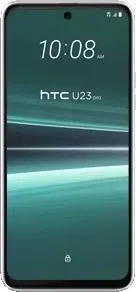
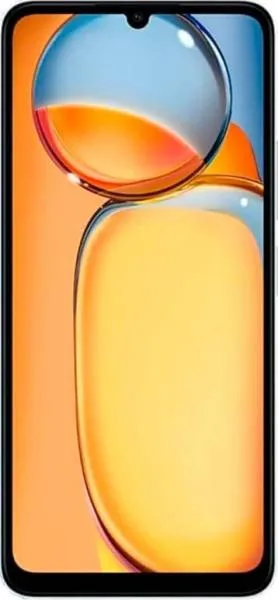
| Feature | HTC U23 Pro | Xiaomi Redmi 13C | Practical Impact |
|---|---|---|---|
| Design | |||
| Dimensions (mm) | 166.6 x 77.1 x 8.9 | 168 x 78 x 8.1 | Redmi 13C is slightly larger and thinner. Negligible difference in everyday use. |
| Weight (g) | 205 | 192 | Redmi 13C is slightly lighter. |
| Build | Not specified | Not specified | Build quality and materials unknown, impacting durability and premium feel. |
| Display | |||
| Display Type | OLED, 120Hz | IPS LCD, 90Hz | U23 Pro offers deeper blacks, vibrant colors, and smoother scrolling thanks to OLED and 120Hz. Redmi 13C's LCD is less power-efficient with less vibrant colors. |
| Size (inches) | 6.7 | 6.74 | Virtually identical screen sizes. |
| Resolution | 1080 x 2400 | 720 x 1600 | U23 Pro has significantly sharper visuals due to higher resolution. Redmi 13C's display will appear pixelated, especially with text and images. |
| PPI | 393 | 260 | Reinforces the sharpness difference; U23 Pro's display is much crisper. |
| Performance | |||
| Chipset | Snapdragon 7 Gen 1 (4 nm) | Helio G85 (12 nm) | U23 Pro offers significantly better performance and efficiency due to a more powerful and modern chipset. |
| CPU | Octa-core (1x2.4 GHz A710 & 3x2.36 GHz A710 & 4x1.8 GHz A510) | Octa-core (2x2.0 GHz A75 & 6x1.8 GHz A55) | U23 Pro's CPU architecture is superior, leading to faster app loading, smoother multitasking, and better gaming performance. |
| GPU | Adreno 644 | Mali-G52 MC2 | U23 Pro's GPU provides a substantial advantage in gaming and graphically demanding tasks. |
| RAM | 8GB/12GB | 4GB/6GB/8GB | U23 Pro offers more RAM in its higher-end configuration, further enhancing multitasking and preventing app closures. |
| Camera | |||
| Main Camera | 108MP | 50MP | U23 Pro boasts a higher resolution main sensor. Image quality differences depend on sensor size and processing, which are not fully specified. |
| Video Recording | 4K@30fps with EIS | 1080p@30fps | U23 Pro supports higher resolution video recording. |
| Other Cameras | Wide, Portrait, Macro | Macro, 0.8MP (unknown purpose) | U23 Pro offers a more versatile camera setup. The purpose of the 0.8MP sensor on Redmi 13C is unclear. |
| Battery | |||
| Capacity | 4600 mAh | 5000 mAh | Redmi 13C has a larger battery capacity, potentially offering longer battery life. However, real-world battery life depends on software optimization and display efficiency. |
| Charging Speed | Not specified | Not specified | Charging speed is crucial for convenience but remains unknown for both. |
2. Key Differences Analysis
HTC U23 Pro Advantages:
- Superior Display: OLED with 120Hz refresh rate for vibrant colors and smooth scrolling.
- Significantly Better Performance: Snapdragon 7 Gen 1 chipset and more RAM for smoother multitasking and gaming.
- Higher Resolution Camera: 108MP main sensor potentially captures more detail.
- 4K Video Recording: Enables higher quality video capture.
Xiaomi Redmi 13C Advantages:
- Larger Battery: 5000mAh battery potentially offers longer usage time.
- Lower Price: Significantly more affordable.
3. User Profiles & Recommendations
HTC U23 Pro: Users who prioritize performance, a high-quality display, and a versatile camera. Suitable for demanding tasks, gaming, and media consumption.
Xiaomi Redmi 13C: Budget-conscious users who prioritize battery life and basic functionality. Best for casual use, web browsing, and social media.
4. Decision Framework
Key Questions for Buyers:
- What is your budget? The Redmi 13C is significantly cheaper.
- What are your primary use cases? Demanding tasks and gaming favor the U23 Pro.
- How important is display quality? The U23 Pro's OLED display is a major advantage.
Scenario-Based Recommendations:
- Limited Budget: Redmi 13C
- Gaming Enthusiast: U23 Pro
- Photographer/Videographer: U23 Pro (considering the limitations in provided specs)
My Choice: HTC U23 Pro
While the Xiaomi Redmi 13C offers a larger battery and attractive price, the HTC U23 Pro's superior display, performance, and more versatile camera make it the better overall device for my needs. The significantly improved user experience offered by the OLED screen, faster processor, and smoother multitasking outweighs the Redmi 13C's advantages in battery capacity and price. I am willing to pay more for the noticeably better performance and visual experience. The lack of detailed camera sensor information makes a definitive camera quality comparison difficult, but the U23 Pro's 4K video recording capability is a significant advantage.
