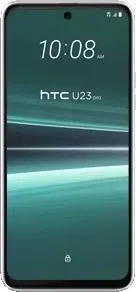
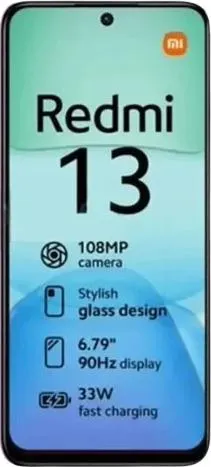
1. Specifications Comparison
| Feature | HTC U23 Pro | Xiaomi Redmi 13 | Practical Impact |
|---|---|---|---|
| Design | |||
| Dimensions (mm) | 166.6 x 77.1 x 8.9 | 168.6 x 76.3 x 8.3 | Redmi 13 is slightly larger but thinner. Negligible difference in daily use. |
| Weight (g) | 205 | 205 | Identical weight. |
| Build Material | Not specified | Not specified | Cannot compare build quality and durability. |
| Display | |||
| Display Type | OLED, 120Hz | IPS LCD, 90Hz | U23 Pro offers deeper blacks, better contrast, and smoother scrolling due to OLED and higher refresh rate. Redmi 13's LCD might be brighter outdoors. |
| Size (inches) | 6.7 | 6.79 | Negligible size difference. |
| Resolution | 1080 x 2400 | 1080 x 2460 | Virtually identical resolution; sharpness will be similar. |
| Performance | |||
| Chipset | Snapdragon 7 Gen 1 (4 nm) | MediaTek Helio G91 Ultra (12 nm) | Snapdragon 7 Gen 1 generally offers better performance and efficiency due to superior architecture and smaller manufacturing process. |
| CPU | Octa-core (1x2.4 GHz A710 & 3x2.36 GHz A710 & 4x1.8 GHz A510) | Octa-core (2x2.0 GHz A75 & 6x1.8 GHz A55) | U23 Pro's CPU boasts newer, more powerful cores, resulting in noticeably faster app loading, multitasking, and demanding tasks. |
| GPU | Adreno 644 | Mali-G52 MC2 | Adreno 644 provides a significant advantage in gaming performance and graphics rendering. |
| RAM | 8GB/12GB | 6GB/8GB | More RAM in certain U23 Pro versions enables smoother multitasking and better handling of demanding applications. |
| Camera | |||
| Rear Camera | 108MP Main, 8MP Wide, 5MP Depth, 2MP Macro | 108MP Main, 2MP Depth | U23 Pro offers a dedicated wide-angle lens, expanding creative possibilities. Redmi 13 lacks a dedicated wide-angle. Image quality comparison is impossible without sensor details. |
| Front Camera | 32MP | 13MP | U23 Pro's higher resolution front camera suggests potentially better selfie quality. |
| Video | 4K@30fps with EIS, 1080p@30fps with EIS | 1080p@30fps | U23 Pro supports 4K video recording, providing higher resolution footage. Both offer EIS for stabilized video. |
| Battery | |||
| Capacity (mAh) | 4600 | 5030 | Redmi 13 has a larger battery capacity, potentially leading to longer battery life. Real-world usage will vary. |
| Charging Speed | Not specified | Not specified | Cannot compare charging speeds. |
2. Key Differences Analysis
HTC U23 Pro Advantages:
- Superior Performance: The Snapdragon 7 Gen 1 significantly outperforms the Helio G91 in processing power and graphics capabilities.
- Smoother Display: 120Hz OLED display provides a more responsive and visually appealing experience.
- More Versatile Camera: Includes a wide-angle lens lacking in the Redmi 13.
- Potentially Better Front Camera: Higher resolution suggests better selfie quality.
- 4K Video Recording: Enables higher quality video capture.
Xiaomi Redmi 13 Advantages:
- Larger Battery: Potentially longer battery life.
- Lower Price: Significantly more affordable.
- Newer Android Version: Ships with Android 14.
Trade-offs:
- Performance vs. Price: U23 Pro offers better performance but at a higher price. Redmi 13 prioritizes affordability over raw power.
- Display Quality vs. Battery Life: U23 Pro's OLED display offers richer visuals but may consume more power than Redmi 13's LCD.
3. User Profiles & Recommendations
HTC U23 Pro: Users who prioritize performance, a premium display, and a versatile camera, especially for gaming, media consumption, and content creation.
Xiaomi Redmi 13: Budget-conscious users who prioritize battery life and basic functionality for everyday tasks like communication, web browsing, and social media.
4. Decision Framework
Key Questions for Buyers:
- What is your budget? Redmi 13 is significantly cheaper.
- What are your performance needs? Gaming and demanding tasks favor the U23 Pro.
- How important is display quality? The U23 Pro's OLED offers a premium visual experience.
Scenario-Based Recommendations:
- Gamer: HTC U23 Pro for its superior performance and smoother display.
- Photographer/Videographer: HTC U23 Pro for its versatile camera system and 4K video recording.
- Casual User on a Budget: Xiaomi Redmi 13 for its affordability and long battery life.
My Choice: HTC U23 Pro
While the Redmi 13 offers excellent value for its price, I would choose the HTC U23 Pro. The superior performance offered by the Snapdragon 7 Gen 1, combined with the beautiful 120Hz OLED display and more versatile camera system, outweighs the price difference for me. I prioritize a smooth and responsive user experience, especially for gaming and media consumption, and the U23 Pro delivers in these areas. The Redmi 13 is a compelling option for budget-conscious buyers, but the U23 Pro offers a noticeable step up in overall quality and performance. The longer battery life of the Redmi 13 is tempting, but I'd rather invest in a portable charger than compromise on performance and display quality.
