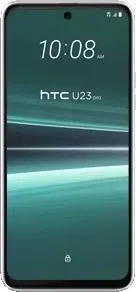
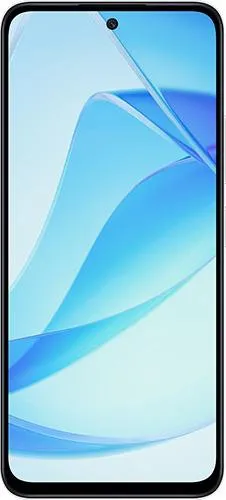
1. Specifications Comparison
| Feature | HTC U23 Pro | Xiaomi Redmi 12 5G | Practical Impact |
|---|---|---|---|
| Design | |||
| Dimensions (mm) | 166.6 x 77.1 x 8.9 | 168.6 x 76.3 x 8.2 | Redmi 12 5G is slightly larger but thinner. Negligible difference in everyday use. |
| Weight (g) | 205 | 199 | Virtually identical weight; no noticeable difference in hand. |
| Build Material | Missing | Missing | Cannot compare build quality and durability. |
| Display | |||
| Display Type | OLED, 120Hz | IPS LCD, 90Hz | U23 Pro offers deeper blacks, more vibrant colors, and smoother scrolling due to OLED and higher refresh rate. |
| Size (inches) | 6.7 | 6.79 | Negligible size difference. |
| Resolution | 1080 x 2400 | 1080 x 2460 | Nearly identical resolution; sharpness will be similar. |
| PPI | 393 | 396 | Negligible difference in pixel density. |
| Performance | |||
| Chipset | Snapdragon 7 Gen 1 | Snapdragon 4 Gen 2 | U23 Pro will offer significantly better performance in demanding tasks and gaming due to a more powerful chipset. |
| CPU | Octa-core (1x2.4 GHz A710 & 3x2.36 GHz A710 & 4x1.8 GHz A510) | Octa-core (2x2.2 GHz A78 & 6x1.95 GHz A55) | U23 Pro's CPU architecture and higher clock speeds translate to faster app loading, smoother multitasking, and better overall responsiveness. |
| GPU | Adreno 644 | Adreno 613 | U23 Pro's superior GPU will provide a significantly better gaming experience and handle graphics-intensive tasks more efficiently. |
| RAM | 8GB/12GB | 4GB/6GB/8GB | U23 Pro offers more RAM in some variants, enabling better multitasking and preventing app closures in the background. |
| Camera | |||
| Rear Camera | 108MP (Main) + 8MP (Wide) + 5MP (Depth) + 2MP (Macro) | 50MP (Main) + 2MP (Depth) | U23 Pro boasts a higher resolution main sensor and a wider range of lenses for versatility. Image quality comparison requires real-world testing, as megapixels alone don't determine performance. |
| Front Camera | 32MP | 5MP | U23 Pro's significantly higher resolution front camera suggests better selfie quality. |
| Video Recording | 4K@30fps with EIS, 1080p@30fps with EIS | 1080p@30fps | U23 Pro offers 4K video recording, providing more detail. Both have Electronic Image Stabilization (EIS). |
| Battery | |||
| Capacity | 4600 mAh | 5000 mAh | Redmi 12 5G has a larger battery, potentially offering longer battery life. However, real-world usage will depend on various factors like display, chipset efficiency, and software optimization. |
2. Key Differences Analysis
HTC U23 Pro Advantages:
- Superior Performance: The Snapdragon 7 Gen 1 significantly outperforms the Snapdragon 4 Gen 2, resulting in a smoother and more responsive user experience.
- Better Display: The OLED display with a 120Hz refresh rate offers vibrant colors, deeper blacks, and smoother scrolling compared to the Redmi 12 5G's IPS LCD with a 90Hz refresh rate.
- More Versatile Camera System: The quad-camera setup with a 108MP main sensor provides greater flexibility and potentially better image quality. 4K video recording is a significant advantage.
- NFC: Enables contactless payments and other NFC functionalities.
Xiaomi Redmi 12 5G Advantages:
- Larger Battery: The 5000 mAh battery may offer longer battery life, although real-world usage will vary.
- Lower Price: Significantly more affordable.
Trade-offs:
- The Redmi 12 5G sacrifices performance, display quality, and camera versatility for a lower price and potentially longer battery life.
- The U23 Pro commands a higher price for its premium features.
3. User Profiles & Recommendations
HTC U23 Pro: Users who prioritize performance, a high-quality display, a versatile camera, and NFC functionality. Ideal for:
- Gamers: The powerful chipset and GPU will provide a smooth gaming experience.
- Power Users: Handles demanding tasks and multitasking with ease.
- Photography Enthusiasts: The versatile camera system and 4K video recording cater to photography needs.
Xiaomi Redmi 12 5G: Budget-conscious users who prioritize battery life and basic functionality over top-tier performance. Ideal for:
- Casual Users: Primarily using the phone for basic tasks like calling, texting, browsing, and social media.
- Users seeking long battery life: The larger battery capacity is attractive for users who want to go longer between charges.
4. Decision Framework
Key Questions for Buyers:
- What is your budget? The Redmi 12 5G is significantly cheaper.
- What are your primary phone usage patterns? Gamers and power users will appreciate the U23 Pro's performance.
- How important are features like display quality, camera versatility, and NFC? The U23 Pro excels in these areas.
My Choice: HTC U23 Pro
While the Redmi 12 5G offers excellent value for its price, I would choose the HTC U23 Pro. The superior performance, OLED display with 120Hz, more versatile camera system including 4K video, and the inclusion of NFC are crucial features for my usage. I prioritize a smooth and responsive user experience, a high-quality display, and the ability to use contactless payments. I am willing to pay the premium for these features. The slightly smaller battery is a trade-off I am willing to make for the overall better user experience. While battery life is important, I value performance and other features more highly. The significantly more capable processor will provide a better long-term experience as apps and OS updates demand more resources.
