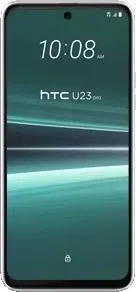
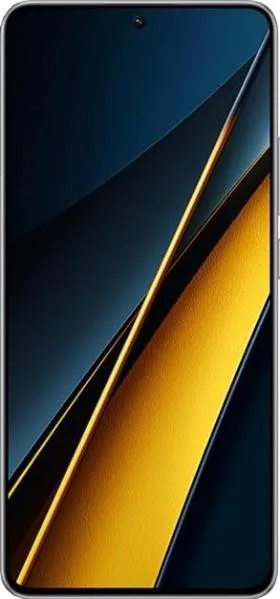
1. Specifications Comparison
| Feature | HTC U23 Pro | Xiaomi Poco X6 Pro | Practical Impact |
|---|---|---|---|
| Design | |||
| Dimensions (mm) | 166.6 x 77.1 x 8.9 | 160.5 x 74.3 x 8.3 | Poco X6 Pro is slightly smaller and thinner, potentially more comfortable for one-handed use. |
| Weight (g) | 205 | 186 | Poco X6 Pro is noticeably lighter, reducing hand fatigue during extended use. |
| Fingerprint Sensor | Side-mounted | Under display | Personal preference; under-display sensors offer a cleaner look, side-mounted sensors can be faster and more reliable. |
| Display | |||
| Display Type | OLED, 120Hz | AMOLED, 120Hz, HDR10+, Dolby Vision | Both offer smooth scrolling with 120Hz. Poco X6 Pro supports HDR10+ and Dolby Vision for superior dynamic range and color accuracy in compatible content. |
| Display Size (inches) | 6.7 | 6.67 | Negligible difference in screen real estate. |
| Resolution (px) | 1080 x 2400 | 1220 x 2712 | Poco X6 Pro has a sharper display with higher pixel density (446 ppi vs 393 ppi), resulting in clearer text and images. |
| Peak Brightness (nits) | Not specified | 1800 | Poco X6 Pro's significantly higher peak brightness ensures better visibility in direct sunlight. Missing information for the U23 Pro hinders a complete comparison. |
| Performance | |||
| Chipset | Snapdragon 7 Gen 1 | Dimensity 8300 Ultra | Both are mid-range chipsets, but benchmarks would be needed to compare real-world performance differences. "Ultra" designation suggests potential advantages for the Poco X6 Pro. |
| CPU | Octa-core (1x2.4 GHz A710 & 3x2.36 GHz A710 & 4x1.8 GHz A510) | Octa-core (1x3.35 GHz A715 & 3x3.20 GHz A715 & 4x2.20 GHz A510) | Poco X6 Pro features faster prime and performance cores, potentially offering quicker app loading and multitasking. |
| GPU | Adreno 644 | Mali G615-MC6 | Performance differences would require benchmark comparisons. Both are capable GPUs for mid-range gaming. |
| RAM (GB) | 8/12 | 8/12 | Both offer configurations suitable for multitasking. |
| OS | Android 13 | Android 14 | Poco X6 Pro ships with a newer Android version, offering potential feature and security advantages. It also has longer guaranteed OS updates up to Android 17. |
| Camera | |||
| Main Camera (MP) | 108 | 64 | HTC U23 Pro boasts higher resolution, but sensor size and other factors heavily influence image quality. Practical comparison requires image samples. |
| Ultrawide (MP) | 8 | 8 | Comparable ultrawide resolution. |
| Selfie Camera (MP) | 32 | 16 | HTC U23 Pro has a higher resolution front-facing camera, potentially capturing more detailed selfies. |
| Video Recording | 4K@30fps | 4K@30fps | Both offer 4K video recording. Poco X6 Pro offers more frame rate options, including 1080p@60fps. |
| Battery | |||
| Capacity (mAh) | 4600 | 5000 | Poco X6 Pro has a larger battery capacity, likely resulting in longer battery life. |
2. Key Differences Analysis
HTC U23 Pro Advantages:
- Potentially better main camera resolution (needs further analysis).
- Higher resolution selfie camera.
Xiaomi Poco X6 Pro Advantages:
- Brighter and sharper display with HDR10+ and Dolby Vision support.
- Larger battery capacity.
- Lighter and more compact design.
- Newer Android version with longer update support.
- Faster CPU cores.
- More video recording options.
- Lower price for similar storage configurations.
Trade-offs:
- Poco X6 Pro's lower main camera resolution might result in reduced detail compared to the U23 Pro, but this is dependent on sensor quality and image processing.
3. User Profiles & Recommendations
HTC U23 Pro: Users prioritizing selfie image quality and potentially higher resolution main camera images.
Xiaomi Poco X6 Pro: Users who value a bright, sharp display, long battery life, a lightweight design, the latest software features, and a lower price. Good for media consumption, gaming, and everyday tasks.
4. Decision Framework
Key Questions:
- What is your budget? Poco X6 Pro offers better value for the price.
- Is display quality a top priority? Poco X6 Pro's superior display is a significant advantage.
- How important is battery life? Poco X6 Pro's larger battery likely provides longer usage.
My Choice: Xiaomi Poco X6 Pro
The Poco X6 Pro provides a more compelling overall package due to its superior display, longer battery life, more modern design, newer software with longer update guarantees, and significantly lower price. While the HTC U23 Pro boasts a higher resolution main camera and selfie camera, real-world image quality comparisons are needed to determine if this translates to noticeably better photos. Without further evidence, the Poco X6 Pro's numerous advantages in other key areas make it the more appealing choice for most users. The significantly higher peak brightness is crucial for outdoor usability, and the longer software support adds value in the long run. Finally, the price difference makes the Poco X6 Pro a much better value proposition.
