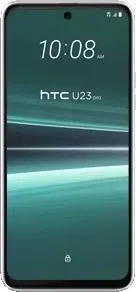
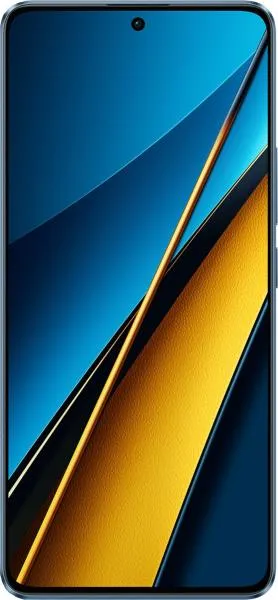
1. Specifications Comparison
| Feature | HTC U23 Pro | Xiaomi Poco X6 | Practical Impact |
|---|---|---|---|
| Design | |||
| Dimensions (mm) | 166.6 x 77.1 x 8.9 | 161.2 x 74.3 x 8 | Poco X6 is slightly smaller and thinner, making it potentially more pocketable. |
| Weight (g) | 205 | 181 | Poco X6 is noticeably lighter, improving one-handed use and reducing fatigue. |
| Fingerprint | Side-mounted | Under-display | Preference-based, under-display considered more modern, side-mounted potentially faster and more reliable. |
| Display | |||
| Size (inches) | 6.7 | 6.67 | Negligible size difference. |
| Resolution (px) | 1080 x 2400 | 1220 x 2712 | Poco X6 has a sharper display with higher pixel density (446 ppi vs 393 ppi), resulting in clearer text and images. |
| Type | OLED, 120Hz | AMOLED, 120Hz, Dolby Vision | Both offer smooth 120Hz refresh rates. Poco X6 uses AMOLED with Dolby Vision, potentially offering better color accuracy and HDR. |
| Peak Brightness | Not specified | 1800 nits | Poco X6's significantly higher peak brightness ensures better visibility in direct sunlight. |
| Performance | |||
| Chipset | Snapdragon 7 Gen 1 | Snapdragon 7s Gen 2 | Both mid-range chipsets, but 7s Gen 2 is newer and likely offers slightly improved performance and efficiency. |
| CPU | Octa-core (1x2.4 GHz Cortex-A710 & 3x2.36 GHz Cortex-A710 & 4x1.8 GHz Cortex-A510) | Octa-core (4x2.4 GHz Cortex-A78 & 4x1.95 GHz Cortex-A55) | Poco X6 utilizes newer Cortex-A78 cores, likely providing a performance advantage in demanding tasks. |
| GPU | Adreno 644 | Adreno 710 | Poco X6's GPU should offer better graphics performance for gaming. |
| RAM | 8GB/12GB | 8GB/12GB/24GB | Both offer ample RAM, Poco X6 has a 24GB option for extreme multitasking though likely unnecessary for most users. |
| Camera | |||
| Main Camera (MP) | 108MP | 64MP | HTC has higher resolution, but sensor details missing; megapixels alone don't determine image quality. |
| Video | 4K@30fps | 4K@30fps | Comparable video recording capabilities. Poco X6 offers 1080p@60fps with EIS for smoother slow-motion. |
| Battery | |||
| Capacity (mAh) | 4600 | 5100 | Poco X6 has a larger battery, likely resulting in longer battery life. |
2. Key Differences Analysis
HTC U23 Pro Advantages:
- Potentially better main camera: While detailed sensor specifications are missing, the 108MP sensor could offer higher resolution images in ideal conditions. This requires further investigation as sensor size and other factors play a crucial role.
Xiaomi Poco X6 Advantages:
- Sharper, brighter display: Higher resolution and peak brightness result in a significantly better viewing experience, especially outdoors.
- Lighter and more compact: Noticeably lighter and slightly smaller, improving handling and portability.
- Larger battery: Promises longer usage time between charges.
- Newer, more powerful chipset: Likely offers better performance and efficiency for demanding tasks and gaming.
- Dolby Vision support: Enhanced HDR capabilities for compatible content.
- Lower price: Offers better value for money considering the specifications.
3. User Profiles & Recommendations
HTC U23 Pro: Users prioritizing a potentially superior main camera (pending further sensor information) and who prefer a side-mounted fingerprint sensor.
Xiaomi Poco X6: Users prioritizing display quality, performance, battery life, and value. Suitable for gaming, media consumption, and general use.
4. Decision Framework
Key Questions for Buyers:
- Is camera image quality the top priority? If so, further research into the HTC U23 Pro's camera sensor is necessary.
- How important is display quality and brightness? The Poco X6 significantly excels in this area.
- What is your budget? The Poco X6 offers better value considering its superior specifications and lower price.
My Choice: Xiaomi Poco X6
The Xiaomi Poco X6 offers a compelling combination of performance, display quality, battery life, and value. Its sharper, brighter display with Dolby Vision, lighter weight, larger battery, and newer processor make it a superior choice for most users. While the HTC U23 Pro boasts a higher resolution main camera, the lack of detailed sensor information makes it difficult to assess its true capabilities. The Poco X6's overall package, coupled with its lower price, makes it the clear winner for me. The superior display and performance advantages outweigh the unknown camera performance of the HTC.
