1. Specifications Comparison
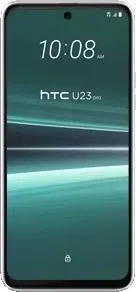
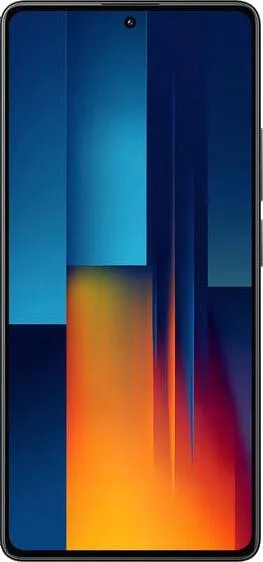
| Feature | HTC U23 Pro | Xiaomi Poco M6 Pro | Practical Impact |
|---|---|---|---|
| Design | |||
| Dimensions (mm) | 166.6 x 77.1 x 8.9 | 161.1 x 75 x 8 | Poco M6 Pro is slightly smaller and thinner, potentially easier to handle. |
| Weight (g) | 205 | 179 | Poco M6 Pro is noticeably lighter, more comfortable for extended use. |
| Build Material | Missing | Missing | Cannot compare build quality and durability. |
| Display | |||
| Display Type | OLED, 120Hz | AMOLED, 120Hz | Both offer smooth scrolling and animations; AMOLED generally has better contrast. |
| Size (inches) | 6.7 | 6.67 | Negligible size difference. |
| Resolution | 1080 x 2400 | 1080 x 2400 | Identical resolution, similar sharpness. |
| Peak Brightness | Missing | 1800 nits | Poco M6 Pro's superior brightness ensures better outdoor visibility. |
| Performance | |||
| Chipset | Snapdragon 7 Gen 1 | Helio G99 Ultra | Snapdragon 7 Gen 1 generally offers better performance in demanding tasks and gaming. |
| CPU | Octa-core (1x2.4 GHz A710 & 3x2.36 GHz A710 & 4x1.8 GHz A510) | Octa-core (2x2.2 GHz A76 & 6x2.0 GHz A55) | Different core configurations; Snapdragon likely has a performance edge due to newer architecture and higher clock speeds. |
| GPU | Adreno 644 | Mali-G57 MC2 | Adreno 644 generally provides superior graphics performance for gaming. |
| RAM | 8GB/12GB | 6GB/8GB/12GB | Both offer ample RAM for multitasking; 12GB option provides future-proofing. |
| Camera | |||
| Main Camera | 108MP, f/1.7 | 64MP, f/1.79 | Higher resolution on U23 Pro; image quality depends on sensor size and processing, which are missing for both. |
| Ultrawide | 8MP, f/2.4 | 8MP, f/2.2 | Similar ultrawide capabilities; practical difference unclear without sensor details. |
| Macro | 2MP | Combined with ultrawide | Dedicated macro lens on U23 Pro might offer slightly better close-up shots, but 2MP resolution is limiting. |
| Selfie | 32MP, f/2.45 | 16MP | Higher resolution on U23 Pro; image quality depends on other factors not specified. |
| Video | 4K@30fps | 1080p@60fps | U23 Pro offers higher resolution video recording; Poco M6 Pro allows for smoother 60fps recording at 1080p. |
| Battery | |||
| Capacity | 4600 mAh | 5000 mAh | Poco M6 Pro offers longer battery life. |
| Charging Speed | Missing | Missing | Cannot compare charging speeds. |
2. Key Differences Analysis
HTC U23 Pro Advantages:
- Potentially better overall performance: Snapdragon 7 Gen 1 generally outperforms Helio G99.
- Higher resolution main camera: 108MP offers more detail, potentially better for large prints or cropping.
- 4K video recording: Captures higher resolution videos.
Xiaomi Poco M6 Pro Advantages:
- Lower price: Significantly more affordable based on provided pricing.
- Larger battery: 5000 mAh provides longer usage time.
- Lighter and thinner design: More comfortable for one-handed use and carrying.
- Higher peak brightness: Better visibility in direct sunlight.
- Faster refresh rate at 1080p for video: Smoother video recording at 1080p60.
3. User Profiles & Recommendations
HTC U23 Pro: Users who prioritize performance, higher resolution photos and videos, and prefer a well-known brand. Suitable for demanding tasks, mobile gaming, and content creation.
Xiaomi Poco M6 Pro: Budget-conscious users who prioritize battery life, a lightweight design, and excellent display visibility. Suitable for everyday use, social media, web browsing, and casual gaming.
4. Decision Framework
Key Questions:
- What is your budget? The Poco M6 Pro offers significantly better value for money.
- What are your primary use cases? Gaming and content creation lean towards U23 Pro; everyday use favors Poco M6 Pro due to battery life and affordability.
- Do you prioritize performance or battery life? U23 Pro offers better performance; Poco M6 Pro excels in battery endurance.
My Choice: Xiaomi Poco M6 Pro
While the HTC U23 Pro might offer a slight performance advantage, the Xiaomi Poco M6 Pro provides significantly better value. Its lower price, larger battery, lighter design, and brighter display outweigh the marginal performance difference for most users. The Poco M6 Pro excels in practical everyday use, offering a well-rounded experience at a significantly lower cost. The lack of key information like sensor size for camera comparison makes the HTC's megapixel advantage less meaningful. Unless peak performance is an absolute necessity, the Poco M6 Pro is the more compelling choice.
