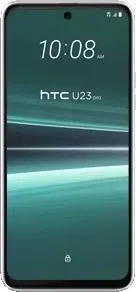
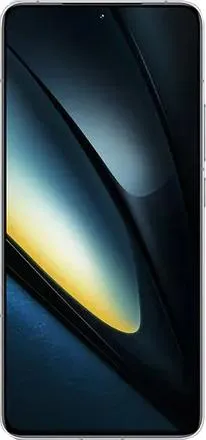
1. Specifications Comparison
| Feature | HTC U23 Pro | Xiaomi Poco F6 Pro | Practical Impact |
|---|---|---|---|
| Design | |||
| Dimensions (mm) | 166.6 x 77.1 x 8.9 | 160.9 x 75 x 8.2 | Poco F6 Pro is slightly smaller and thinner, potentially improving one-handed usability. |
| Weight (g) | 205 | 209 | Negligible weight difference; both feel substantial in hand. |
| Display | |||
| Size (inches) | 6.7 | 6.67 | Virtually identical screen sizes. |
| Resolution | 1080 x 2400 | 1440 x 3200 | Poco F6 Pro has a significantly sharper display with more detail and clarity. |
| Panel Type | OLED, 120Hz | AMOLED, 120Hz, Dolby Vision, HDR10+, High Brightness | Poco F6 Pro boasts a superior display with richer colors, higher brightness, and HDR support for improved multimedia consumption. |
| Performance | |||
| Chipset | Snapdragon 7 Gen 1 | Snapdragon 8 Gen 2 | Poco F6 Pro offers significantly faster processing speeds and improved graphics performance, enabling smoother multitasking and gaming. |
| CPU | Octa-core (1x2.4 GHz A710 & 3x2.36 GHz A710 & 4x1.8 GHz A510) | Octa-core (1x3.2 GHz X3 & 2x2.8 GHz A715 & 2x2.8 GHz A710 & 3x2.0 GHz A510) | The Poco F6 Pro's more powerful CPU architecture translates to noticeable performance gains in demanding applications. |
| RAM | 8GB/12GB | 12GB/16GB | Poco F6 Pro offers more RAM in its base configuration, benefiting heavy multitaskers. |
| Camera | |||
| Main Camera | 108MP | 50MP (OV50E) with OIS | While the HTC has higher resolution, the Poco F6 Pro's larger sensor, OIS, and advanced features like pixel binning likely result in better image quality, especially in low light. |
| Video | 4K@30fps | 8K@24fps | Poco F6 Pro offers higher resolution video recording capabilities. |
| Battery | |||
| Capacity (mAh) | 4600 | 5000 | Poco F6 Pro has a larger battery, potentially offering longer battery life. |
2. Key Differences Analysis
HTC U23 Pro Advantages:
- Potentially more affordable (exact pricing comparison needed).
- Side-mounted fingerprint sensor, preferred by some users.
Xiaomi Poco F6 Pro Advantages:
- Significantly superior performance: Snapdragon 8 Gen 2 provides a considerable advantage in speed and graphics.
- Much better display: Higher resolution, AMOLED technology, HDR support, and higher brightness deliver a premium visual experience.
- Larger battery: Likely translates to longer usage time.
- More advanced camera system: Despite lower megapixel count on the main sensor, superior sensor technology and features on the Poco F6 Pro likely result in better overall image quality.
- More RAM: Improved multitasking capabilities.
- More recent Android Version with longer support: Better software features and longer security updates.
Trade-offs:
- Price: The Poco F6 Pro is likely more expensive.
- Software Experience: While the Poco F6 Pro has a newer Android version, MIUI's customization might not appeal to all users who prefer a cleaner Android experience.
3. User Profiles & Recommendations
HTC U23 Pro: Budget-conscious users who prioritize affordability and a clean Android experience. Suitable for basic tasks like calling, texting, browsing, and casual photography.
Xiaomi Poco F6 Pro: Users who demand top-tier performance, a premium display, and advanced camera features. Ideal for mobile gaming, multimedia consumption, demanding productivity tasks, and photography enthusiasts.
4. Decision Framework
Key Questions for Buyers:
- What is your budget? The Poco F6 Pro is positioned in a higher price bracket.
- What are your primary smartphone usage patterns? Heavy gamers and multimedia consumers will benefit more from the Poco F6 Pro's performance and display.
- How important is camera quality? The Poco F6 Pro likely offers a better overall camera experience.
Scenario-Based Recommendations:
- Limited Budget: HTC U23 Pro.
- Power User: Xiaomi Poco F6 Pro.
- Photography Enthusiast: Xiaomi Poco F6 Pro.
My Choice: Xiaomi Poco F6 Pro
While I acknowledge the potential price difference, the Xiaomi Poco F6 Pro is the clear winner for me. The significantly superior processor, stunning display with HDR capabilities, larger battery, and advanced camera system offer a vastly improved user experience. The performance gains alone justify the price premium for my usage, which involves demanding tasks, gaming, and multimedia consumption. The longer software support window provided by the newer Android version is also a compelling factor. While I acknowledge some users may prefer a cleaner Android experience and a side-mounted fingerprint sensor, the overall package offered by the Poco F6 Pro is too compelling to ignore.
