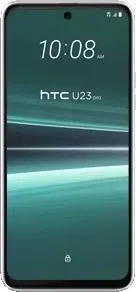
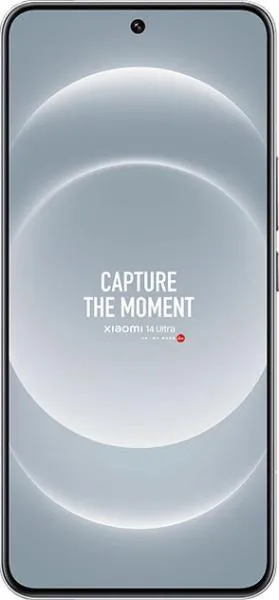
1. Specifications Comparison
| Feature | HTC U23 Pro | Xiaomi 14 Ultra | Practical Impact |
|---|---|---|---|
| Design | |||
| Dimensions (mm) | 166.6 x 77.1 x 8.9 | 161.4 x 75.3 x 9.2 | Xiaomi 14 Ultra is slightly shorter, narrower, and thicker but noticeably heavier. U23 Pro might feel more comfortable for one-handed use due to its lighter weight. |
| Weight (g) | 205 | 229.5 | |
| Display | |||
| Size (inches) | 6.7 | 6.73 | Negligible difference in screen real estate. |
| Resolution (pixels) | 1080 x 2400 | 1440 x 3200 | Xiaomi 14 Ultra boasts significantly higher resolution, resulting in sharper text and images. Noticeably improved clarity for detail-oriented tasks like photo editing. |
| Display Type | OLED, 120Hz | LTPO AMOLED, 120Hz, Dolby Vision, HDR10+, 3000 nits (peak) | Both offer smooth scrolling thanks to 120Hz. However, Xiaomi's LTPO panel allows for variable refresh rate, saving battery. Its support for Dolby Vision and HDR10+ combined with higher peak brightness delivers a superior HDR experience. |
| Performance | |||
| Chipset | Snapdragon 7 Gen 1 | Snapdragon 8 Gen 3 | Xiaomi 14 Ultra utilizes a flagship-level processor, offering significantly better performance in demanding tasks like gaming and multitasking. |
| CPU | Octa-core (1x2.4 GHz A710 & 3x2.36 GHz A710 & 4x1.8 GHz A510) | Octa-core (1x3.3 GHz X4 & 3x3.2 GHz A720 & 2x3.0 GHz A720 & 2x2.3 GHz A520) | |
| GPU | Adreno 644 | Adreno 750 | Xiaomi 14 Ultra's GPU provides a considerable boost in graphics performance, translating to smoother gameplay and faster rendering. |
| RAM | 8GB/12GB | 12GB/16GB | Xiaomi offers higher RAM options, improving multitasking and overall responsiveness. |
| Camera | |||
| Main Camera | 108MP | 50MP (1-inch sensor) | While U23 Pro boasts higher megapixels, Xiaomi's larger 1-inch sensor likely captures more light, resulting in better low-light performance and dynamic range. |
| Video Recording | 4K@30fps | 8K@24/30fps | Xiaomi 14 Ultra allows for higher resolution video recording. |
| Battery | |||
| Capacity (mAh) | 4600 | 5000 | Xiaomi 14 Ultra has a larger battery, potentially offering longer battery life. |
2. Key Differences Analysis
Xiaomi 14 Ultra Advantages:
- Superior Display: Higher resolution, LTPO technology, HDR support, brighter screen.
- Flagship Performance: Significantly faster processor and GPU.
- Advanced Camera System: Larger sensor, 8K video recording, more versatile lens setup.
- Larger Battery: Potentially longer battery life.
HTC U23 Pro Advantages:
- Lighter and Potentially More Ergonomic: Easier for one-handed use.
- Lower Price: Offers a more budget-friendly option.
Trade-offs:
- Xiaomi 14 Ultra's superior features come at a higher price and heavier weight.
- HTC U23 Pro compromises on performance and display quality for a lower price point.
3. User Profiles & Recommendations
Xiaomi 14 Ultra: Ideal for power users, photographers, videographers, and mobile gamers who demand top-tier performance and display quality.
HTC U23 Pro: Suitable for budget-conscious users who prioritize a lightweight phone for everyday tasks like communication, web browsing, and casual media consumption.
4. Decision Framework
Key Questions:
- What is your budget? The Xiaomi 14 Ultra is significantly more expensive.
- What are your primary use cases? Gaming, photography, and demanding tasks favor the Xiaomi. Basic usage is well-served by the HTC.
- Do you prioritize portability and one-handed use? The HTC's lighter weight might be preferable.
My Choice: Xiaomi 14 Ultra
While significantly more expensive, the Xiaomi 14 Ultra offers a substantial upgrade in almost every aspect. The superior display, flagship performance, advanced camera system, and larger battery justify the premium price for my needs. As someone who values a high-quality display, smooth performance, and excellent camera capabilities, the Xiaomi 14 Ultra is the clear winner. The HTC U23 Pro's lighter weight is a tempting advantage, but the performance and feature differences are too significant to ignore.
