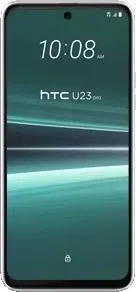
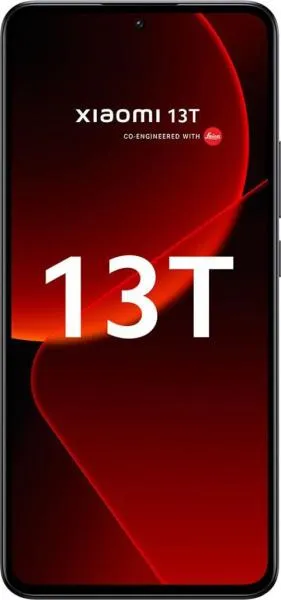
1. Specifications Comparison
| Feature | HTC U23 Pro | Xiaomi 13T | Practical Impact |
|---|---|---|---|
| Design | |||
| Dimensions (mm) | 166.6 x 77.1 x 8.9 | 162.2 x 75.7 x 8.5 | Xiaomi 13T is slightly smaller and thinner, potentially more comfortable for one-handed use. |
| Weight (g) | 205 | 193 | Xiaomi 13T is noticeably lighter, reducing hand fatigue during extended use. |
| Display | |||
| Display Type | OLED, 120Hz | AMOLED, 144Hz, Dolby Vision, HDR10+ | Xiaomi 13T offers a smoother display with a higher refresh rate and superior HDR support for richer visuals and more responsive gaming. |
| Display Size (inches) | 6.7 | 6.67 | Negligible size difference. |
| Resolution | 1080 x 2400 | 1220 x 2712 | Xiaomi 13T boasts a sharper display with higher pixel density (446 ppi vs 393 ppi), resulting in clearer text and images. |
| Peak Brightness (nits) | Not specified | 2600 | Missing peak brightness for HTC U23 Pro makes outdoor visibility comparison difficult. Xiaomi's high peak brightness ensures excellent sunlight legibility. |
| Performance | |||
| Chipset | Snapdragon 7 Gen 1 | Dimensity 8200 Ultra | Both are powerful mid-range chipsets, but benchmarks suggest Dimensity 8200 Ultra offers a performance advantage. |
| CPU | Octa-core (1x2.4 GHz A710 & 3x2.36 GHz A710 & 4x1.8 GHz A510) | Octa-core (1x3.1 GHz A78 & 3x3.0 GHz A78 & 4x2.0 GHz A55) | Xiaomi 13T's CPU architecture suggests better multi-core performance, beneficial for demanding tasks and multitasking. |
| GPU | Adreno 644 | Mali-G610 MC6 | While both GPUs are capable, Mali-G610 MC6 generally performs better in benchmarks, potentially leading to smoother gaming. |
| RAM | 8GB (reviewed model) | 8/12GB | Xiaomi 13T offers a 12GB RAM option, providing better multitasking and smoother performance with memory-intensive applications. |
| Camera | |||
| Main Camera | 108MP | 50MP (Sony IMX707) | While HTC U23 Pro has a higher resolution, Xiaomi 13T utilizes a larger sensor (Sony IMX707) known for excellent light capture and image quality. |
| Video Recording | 4K@30fps | 4K@30fps | Similar video resolution, but Xiaomi offers more advanced features like 960fps slow motion and HDR video recording. |
| Battery | |||
| Capacity (mAh) | 4600 | 5000 | Xiaomi 13T offers a larger battery capacity, translating to potentially longer battery life. |
2. Key Differences Analysis
Xiaomi 13T Advantages:
- Superior Display: Higher refresh rate, resolution, peak brightness, and HDR support. This leads to a significantly better visual experience for media consumption and gaming.
- Enhanced Performance: More powerful chipset and GPU, plus a 12GB RAM option. This enables smoother multitasking, faster app loading, and better gaming performance.
- Larger Battery: Potentially longer battery life.
- Advanced Camera Features: Larger main sensor, 960fps slow motion, and HDR video recording.
HTC U23 Pro Advantages:
- Potentially Wider Availability: HTC phones may be more readily available in certain regions.
3. User Profiles & Recommendations
Xiaomi 13T: Ideal for users who prioritize display quality, performance, camera features, and battery life. Excellent for mobile gamers, content creators, and heavy smartphone users.
HTC U23 Pro: Might appeal to users who prefer a potentially more readily available device or have a strong brand preference for HTC.
4. Decision Framework
Key Questions:
- What is your budget? The Xiaomi 13T is generally more expensive.
- What are your priorities? Display, performance, camera, battery life, or brand preference?
- What is your typical usage? Gaming, media consumption, productivity, or basic communication?
Scenario-Based Recommendations:
- Heavy User/Gamer: Xiaomi 13T
- Budget-Conscious User: HTC U23 Pro (if significantly cheaper)
- User Prioritizing Display Quality: Xiaomi 13T
My Choice: Xiaomi 13T
The Xiaomi 13T is the clear winner for me. The superior display, significantly better performance, larger battery, and more advanced camera features make it a more compelling device. While the HTC U23 Pro is a decent mid-range phone, the Xiaomi 13T offers a noticeable upgrade in key areas that significantly impact the overall user experience. The price difference is justified by the tangible benefits the Xiaomi 13T provides. The smoother 144Hz display, the powerful Dimensity 8200 Ultra chipset, and the impressive camera capabilities of the Xiaomi 13T make it a more future-proof and enjoyable device to use in the long run.
