1. Specifications Comparison
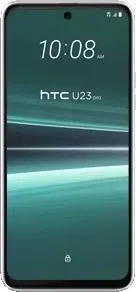
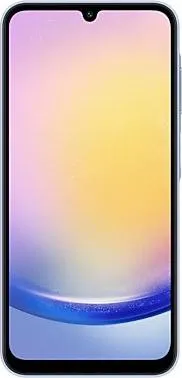
| Feature | HTC U23 Pro | Samsung Galaxy A25 | Practical Impact |
|---|---|---|---|
| Design | |||
| Dimensions (mm) | 166.6 x 77.1 x 8.9 | 161 x 76.5 x 8.3 | A25 is slightly smaller and thinner, potentially improving one-handed usability. |
| Weight (g) | 205 | 197 | Negligible weight difference in real-world usage. |
| Display | |||
| Display Type | OLED, 120Hz | Super AMOLED, 120Hz, 1000 nits (HBM) | Both offer smooth scrolling with 120Hz. A25's Super AMOLED with higher peak brightness should offer better outdoor visibility and potentially richer colors. |
| Size (inches) | 6.7 | 6.5 | U23 Pro offers slightly more screen real estate. |
| Resolution | 1080 x 2400 | 1080 x 2340 | Virtually identical pixel density, resulting in similar sharpness. |
| Performance | |||
| Chipset | Snapdragon 7 Gen 1 (4 nm) | Exynos 1280 (5 nm) | Both are mid-range chipsets. Performance differences likely depend on specific tasks and optimization. More information (benchmarks) needed for definitive comparison. |
| CPU | Octa-core (1x2.4 GHz A710 & 3x2.36 GHz A710 & 4x1.8 GHz A510) | Octa-core (2x2.4 GHz A78 & 6x2.0 GHz A55) | Different core configurations. A78 cores in A25 are generally more powerful than A710, but Snapdragon's architecture may offer better efficiency. Needs further benchmarking analysis. |
| GPU | Adreno 644 | Mali-G68 | Gaming performance likely differs. Adreno GPUs generally have a stronger reputation, but real-world performance depends on optimization. Requires benchmarks for accurate comparison. |
| RAM | 8GB/12GB | 6GB/8GB | 12GB option on U23 Pro enables better multitasking and app retention. |
| OS | Android 13 | Android 14 | A25 ships with a newer Android version, offering potential feature and security advantages, and longer update support confirmed (up to Android 18). |
| Camera | |||
| Main Camera | 108MP | 50MP | Higher resolution on U23 Pro potentially offers more detail, but image quality depends on sensor size and processing. |
| Selfie Camera | 32MP | 13MP | Higher resolution on U23 Pro. |
| Video | 4K@30fps | 4K@30fps | Similar video resolution, but quality can differ due to image stabilization and processing. A25 boasts 480fps slow-motion vs 120fps on the U23 Pro. |
| Battery | |||
| Capacity | 4600 mAh | 5000 mAh | Larger battery in A25 likely translates to longer battery life. |
2. Key Differences Analysis
HTC U23 Pro Advantages:
- Potentially higher performance: While needing benchmarks for confirmation, the Snapdragon 7 Gen 1 coupled with up to 12GB RAM could outperform the Exynos 1280 in demanding tasks.
- Higher resolution main and selfie cameras: Potentially capturing more detailed photos and videos.
Samsung Galaxy A25 Advantages:
- Newer Android version with longer support: Android 14 with confirmed updates to Android 18 offers a longer software lifespan with newer features and security patches.
- Larger Battery: 5000 mAh battery should provide significantly longer usage time.
- Brighter Display: Better outdoor visibility due to the Super AMOLED display with 1000 nits peak brightness.
- Lower Price: Significantly cheaper based on provided pricing.
Trade-offs:
- Performance vs. Battery Life: U23 Pro might offer better performance but potentially at the cost of battery life compared to the A25.
3. User Profiles & Recommendations
HTC U23 Pro: Users prioritizing potential performance, larger screen, and higher resolution cameras, who are less sensitive to price differences.
Samsung Galaxy A25: Users prioritizing battery life, software updates, brighter display, and value for money. Excellent for everyday users, social media enthusiasts, and light gamers.
4. Decision Framework
Key Questions:
- What is your budget? The A25 is significantly more affordable.
- How important is long-term software support? A25 offers longer OS update commitment.
- What are your primary use cases? (Gaming, photography, general use)
Scenario-Based Recommendations:
- Limited Budget: A25 offers excellent value.
- Heavy Multitasking/Gaming: Pending benchmarks, U23 Pro with 12GB RAM might be better, but the Exynos 1280 is no slouch for everyday tasks.
- Outdoor Use: A25 with its brighter display.
My Choice: Samsung Galaxy A25
While the HTC U23 Pro boasts a higher resolution main camera and potentially more powerful processing (needs benchmarks to confirm), the Samsung Galaxy A25 offers a compelling combination of features at a significantly lower price. The longer software update commitment (up to Android 18!), larger battery for extended usage, and brighter Super AMOLED display are crucial factors for long-term satisfaction. For the average user, these advantages outweigh the potential benefits of the U23 Pro, making the A25 a more practical and value-driven choice. The price difference is substantial enough to be a deciding factor for most users.
