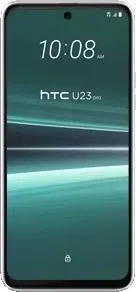
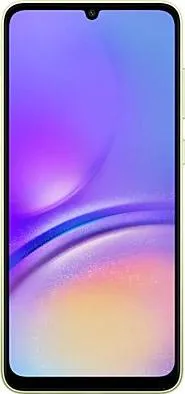
1. Specifications Comparison
| Feature | HTC U23 Pro | Samsung Galaxy A05 | Practical Impact |
|---|---|---|---|
| Design | |||
| Dimensions (mm) | 166.6 x 77.1 x 8.9 | 168.8 x 78.2 x 8.8 | A05 slightly larger, negligible difference in daily use. |
| Weight (g) | 205 | 195 | Negligible weight difference. |
| Build | Not specified | Not specified | Build quality and materials unknown, impacting durability and premium feel. |
| Display | |||
| Size (inches) | 6.7 | 6.7 | Same screen size. |
| Resolution | 1080 x 2400 | 720 x 1600 | U23 Pro significantly sharper (393 ppi vs 262 ppi), resulting in crisper text and images. |
| Type | OLED, 120Hz | PLS LCD | U23 Pro's OLED offers deeper blacks, richer colors, and smoother scrolling with 120Hz refresh rate. A05's LCD might be brighter outdoors. |
| Performance | |||
| Chipset | Snapdragon 7 Gen 1 | Helio G85 | U23 Pro offers significantly better performance for demanding tasks and gaming. |
| CPU | Octa-core (1x2.4 GHz Cortex-A710 & 3x2.36 GHz Cortex-A710 & 4x1.8 GHz Cortex-A510) | Octa-core (2x2.0 GHz Cortex-A75 & 6x1.8 GHz Cortex-A55) | U23 Pro's CPU architecture and higher clock speeds provide a noticeable performance advantage. |
| RAM | 8/12GB | 4/6GB | More RAM in U23 Pro allows for better multitasking and smoother performance with multiple apps open. |
| Camera | |||
| Rear Camera | 108MP (Main) + 8MP (Wide) + 5MP (Depth) + 2MP (Macro) | 50MP (Main) + 2MP (Depth) | U23 Pro offers higher resolution main sensor and a wider range of lenses for versatility. Image quality comparison requires real-world testing. |
| Front Camera | 32MP | 8MP | U23 Pro has a significantly higher resolution front camera for better selfies. |
| Video | 4K@30fps with EIS | 1080p@60fps | U23 Pro offers higher resolution video recording. A05 can record at a higher frame rate for smoother slow-motion. |
| Battery | |||
| Capacity (mAh) | 4600 | 5000 | A05 has a larger battery capacity, potentially offering longer battery life. Real-world usage will vary. |
| Other | |||
| NFC | Yes | No | U23 Pro supports contactless payments and data transfer via NFC. |
| Price Range | Medium | Low | Significant price difference reflecting the performance and feature gap. |
2. Key Differences Analysis
HTC U23 Pro Advantages:
- Superior Performance: Significantly faster processor and more RAM for smoother multitasking and demanding tasks.
- Better Display: Higher resolution, OLED technology, and 120Hz refresh rate for a more visually appealing and responsive experience.
- More Versatile Camera System: Higher resolution sensors, wider lens selection, and 4K video recording.
- NFC: Enables contactless payments and data transfer.
Samsung Galaxy A05 Advantages:
- Larger Battery: Potentially longer battery life.
- Lower Price: Significantly more affordable.
3. User Profiles & Recommendations
HTC U23 Pro: Users who prioritize performance, a high-quality display, a versatile camera, and modern features like NFC. Suitable for gaming, content creation, and multitasking.
Samsung Galaxy A05: Budget-conscious users who prioritize basic functionality and long battery life. Best for calling, texting, web browsing, and light social media use.
4. Decision Framework
Key Questions for Buyers:
- What is your budget? The A05 is significantly cheaper.
- What are your primary smartphone uses? Gaming and demanding tasks favor the U23 Pro. Basic communication favors the A05.
- Which features are most important to you? Prioritize performance, display, and camera? Choose the U23 Pro. Prioritize battery life and affordability? Choose the A05.
My Choice: HTC U23 Pro
While the Samsung Galaxy A05 offers excellent value for its low price, the HTC U23 Pro is the clear winner for me. The significantly improved performance, superior display quality, versatile camera system, and inclusion of NFC outweigh the A05's larger battery and lower price. I value a smooth and responsive user experience, high-quality visuals, and the convenience of mobile payments, all of which the U23 Pro delivers. The price difference is justified by the substantial upgrade in features and overall user experience. While battery life is important, I prioritize the other aspects more heavily.
