1. Specifications Comparison
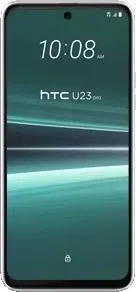
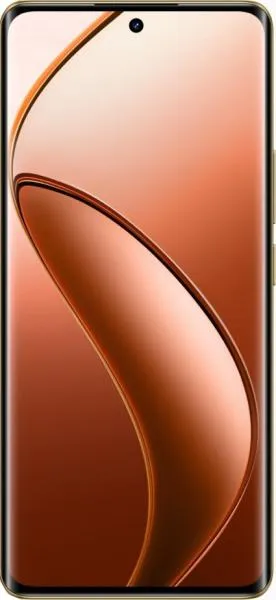
| Feature | HTC U23 Pro | Realme 12 Pro+ | Practical Impact |
|---|---|---|---|
| Design | |||
| Dimensions (mm) | 166.6 x 77.1 x 8.9 | 161.5 x 74 x 8.8 | Realme 12 Pro+ is slightly smaller and potentially more pocketable. |
| Weight (g) | 205 | 196 | Realme 12 Pro+ is slightly lighter, enhancing one-handed use. |
| Fingerprint Sensor | Side-mounted | Under-display | Preference-based; under-display is modern, side-mounted can be faster. |
| Display | |||
| Size (inches) | 6.7 | 6.7 | Same screen size. |
| Resolution (px) | 1080 x 2400 | 1080 x 2412 | Negligible difference in resolution. |
| Panel Type | OLED, 120Hz | AMOLED, 1B colors, 120Hz | Both offer smooth scrolling with 120Hz. Realme boasts a wider color range (1B vs. unspecified for HTC) for more vibrant visuals. Missing peak brightness data for comparison. |
| Performance | |||
| Chipset | Snapdragon 7 Gen 1 | Snapdragon 7s Gen 2 | 7s Gen 2 is newer but benchmarks suggest marginal performance gains in CPU, potentially better GPU performance due to Adreno 710. Real-world impact might be minimal for average users. |
| CPU | Octa-core (1x2.4 GHz A710 & 3x2.36 GHz A710 & 4x1.8 GHz A510) | Octa-core (4x2.4 GHz A78 & 4x1.95 GHz A55) | Different core architectures. 7s Gen 2 might offer slightly improved efficiency. |
| GPU | Adreno 644 | Adreno 710 | Adreno 710 likely provides better gaming and graphics performance. |
| RAM (GB) | 8/12 | 8/12/16 | Both offer ample RAM; Realme offers a higher 16GB option for extreme multitasking. |
| OS | Android 13 | Android 14 | Realme comes with a newer Android version out of the box, offering potential feature and security advantages. |
| Camera | |||
| Main Camera (MP) | 108 | 50 (Sony IMX890) | Realme uses a larger sensor (1/1.56") and likely offers better low-light performance despite lower resolution. HTC's sensor details are missing, hindering detailed comparison. |
| Other Cameras | Wide, Portrait, Macro | Wide+Macro, Telephoto | Realme's dedicated telephoto lens offers optical zoom, a significant advantage. |
| Video | 4K@30fps with EIS, 1080p@30fps with EIS | 4K@30fps, 1080p@ up to 120fps with EIS | Realme offers more versatile video recording options with higher frame rates at 1080p. |
| Battery | |||
| Capacity (mAh) | 4600 | 5000 | Realme offers a larger battery, potentially leading to longer battery life. |
| USB Version | USB Type-C 3.0 | USB Type-C 2.0 | HTC offers faster data transfer speeds via USB, though this is rarely a bottleneck for most users. |
2. Key Differences Analysis
HTC U23 Pro Advantages:
- Faster Data Transfer: USB 3.0 offers significantly faster data transfer speeds than USB 2.0.
- Potentially Wider Availability: HTC has a longer history in certain markets.
Realme 12 Pro+ Advantages:
- Newer OS: Android 14 offers the latest features and security updates.
- Larger Battery: 5000 mAh battery should provide longer usage time.
- Superior Camera System: Dedicated telephoto lens with OIS, larger main sensor, and more video recording options.
- Slightly Lighter and Smaller: Improved ergonomics for one-handed use.
- Potentially Better GPU: Adreno 710 likely offers a smoother gaming experience.
Trade-offs:
- Realme's USB 2.0: Slower data transfer speeds compared to HTC's USB 3.0, although not a significant drawback for most users.
3. User Profiles & Recommendations
HTC U23 Pro: Users prioritizing faster data transfer speeds and who value established brands. Suitable for those who don't heavily rely on their phone's camera.
Realme 12 Pro+: Users who prioritize camera quality, battery life, a modern OS, and a sleek design. Excellent for photography enthusiasts, mobile gamers, and heavy users.
4. Decision Framework
Key Questions for Buyers:
- How important is camera quality?
- How much do you value battery life?
- Are you sensitive to phone size and weight?
Scenario-Based Recommendations:
- Photography Enthusiast: Realme 12 Pro+ for its superior camera system.
- Heavy User: Realme 12 Pro+ for its larger battery.
- Budget-Conscious User: Consider both, but lean towards Realme 12 Pro+ if camera and battery are priorities. Price comparison is difficult due to fluctuating market pricing.
My Choice: Realme 12 Pro+
The Realme 12 Pro+ is the clear winner for me. The advantages in camera versatility (telephoto lens), battery life, newer OS, and potentially better GPU performance outweigh the minor benefit of HTC's faster USB transfer speed. Realme offers a more compelling overall package for a modern smartphone user, particularly for photography and everyday performance. While missing some specifications for the HTC U23 Pro makes a fully comprehensive comparison challenging, the available data strongly favors the Realme 12 Pro+.
