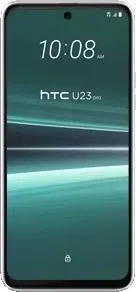
1. Specifications Comparison
| Feature | HTC U23 Pro | realme 8 | Practical Impact |
|---|---|---|---|
| Design | |||
| Dimensions (mm) | 166.6 x 77.1 x 8.9 | 162 x 75.1 x 8.7 | realme 8 is slightly smaller and thinner, potentially offering a better one-handed grip. |
| Weight (g) | 205 | 191 | realme 8 is noticeably lighter, reducing hand fatigue during extended use. |
| Fingerprint Sensor | Side-mounted | Under-display | Preference-based, but under-display sensors offer a cleaner aesthetic. |
| Display | |||
| Display Size (inches) | 6.7 | 6.78 | Negligible difference in size. |
| Resolution (pixels) | 1080 x 2400 | 1264 x 2780 | realme 8 has a significantly sharper display with higher pixel density (450 ppi vs 393 ppi), resulting in crisper text and images. |
| Display Type | OLED, 120Hz | LTPO AMOLED, 1B colors, 120Hz, HDR | realme 8 boasts a superior display with LTPO technology for adaptive refresh rate (better battery efficiency), 1 billion colors (smoother color gradients), and HDR support for enhanced dynamic range in compatible content. |
| Peak Brightness (nits) | Not specified | Up to 6000 | Missing peak brightness for HTC U23 Pro makes outdoor visibility comparison difficult. realme 8's high peak brightness ensures excellent readability in sunlight. |
| Performance | |||
| Chipset | Snapdragon 7 Gen 1 | Snapdragon 7+ Gen 3 | realme 8 features a newer and more powerful chipset, translating to significantly faster performance in demanding tasks and games. |
| CPU | Octa-core (1x2.4 GHz A710 & 3x2.36 GHz A710 & 4x1.8 GHz A510) | Octa-core (1x2.8 GHz X4 & 4x2.6 GHz A720 & 3x1.9 GHz A520) | realme 8's CPU architecture, with a Cortex-X4 prime core, provides a substantial performance advantage. |
| GPU | Adreno 644 | Adreno 732 | realme 8's GPU offers a considerable improvement in graphics performance, leading to smoother gaming and faster rendering. |
| RAM | 8GB | 12GB | realme 8 offers more RAM, enabling better multitasking and smoother performance with multiple apps open. |
| Camera | |||
| Rear Camera | 108MP Main, 8MP Wide, 5MP Depth, 2MP Macro | Specifications missing | Insufficient data to compare camera performance. |
| Video Recording | 4K@30fps | Up to 4K@60fps with OIS & EIS | realme 8 supports higher resolution and frame rate video recording, potentially with better stabilization due to OIS and EIS. However, lacking detailed sensor specs limits a thorough comparison. |
| Battery | |||
| Capacity (mAh) | 4600 | 5500 | realme 8 has a significantly larger battery, likely providing longer battery life. |
| USB Type | USB Type-C 3.0 | USB Type-C 2.0 | While USB 3.0 offers faster data transfer, USB 2.0 is sufficient for charging. The practical impact on daily use is minimal. |
2. Key Differences Analysis
realme 8 Advantages:
- Significantly better performance: Newer, more powerful chipset and GPU.
- Superior display: Higher resolution, LTPO technology, HDR support, brighter screen.
- Larger battery: Potentially longer battery life.
- More RAM: Smoother multitasking.
- Potentially better video recording: Higher resolution and frame rate support, along with OIS and EIS.
HTC U23 Pro Advantages:
- Slightly smaller dimensions: Potentially easier one-handed use for some.
Trade-offs:
- HTC U23 Pro's smaller size might be preferred by some, but it comes at the cost of significantly lower performance, a less impressive display, and a smaller battery.
3. User Profiles & Recommendations
realme 8: Users who prioritize performance, a high-quality display, long battery life, and smooth multitasking. Ideal for mobile gaming, media consumption, and demanding productivity tasks.
HTC U23 Pro: Users who prioritize a slightly smaller phone and value brand recognition (HTC). This phone might be suitable for users with basic needs who aren't heavy users.
4. Decision Framework
Key Questions for Buyers:
- What is your budget? Both are mid-range, but minor price differences might exist.
- What are your primary use cases? (Gaming, media consumption, productivity, basic communication)
- How important is performance, display quality, and battery life?
Scenario-Based Recommendations:
- Heavy user/Gamer: realme 8
- Casual user/Basic needs: HTC U23 Pro (considering its lower specs, ensure its price reflects the value offered)
My Choice: realme 8
The realme 8 is the clear winner for me. Its superior performance, significantly better display, larger battery, and greater RAM make it a much more compelling device. While the HTC U23 Pro might offer a slightly smaller form factor, the compromises in performance and other key areas are too significant to ignore. The realme 8 provides a significantly better user experience for most use cases. The lack of complete camera specifications for the realme 8 hinders a full assessment, but based on available data, the realme 8 is the superior choice.
