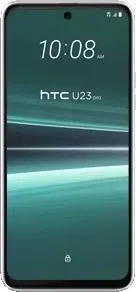
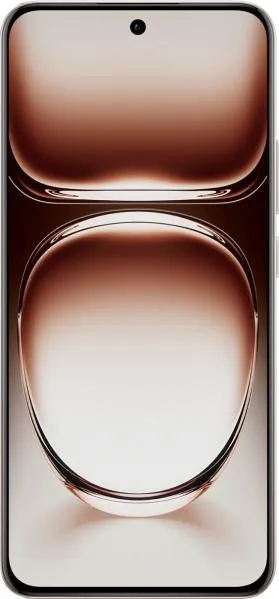
1. Specifications Comparison
| Feature | HTC U23 Pro | Oppo Reno12 | Practical Impact |
|---|---|---|---|
| Design | |||
| Dimensions (mm) | 166.6 x 77.1 x 8.9 | 161.4 x 74.1 x 7.6 | Oppo Reno12 is noticeably smaller and thinner, making it more pocketable and comfortable for one-handed use. |
| Weight (g) | 205 | 177 | Oppo Reno12 is significantly lighter, reducing hand fatigue during extended use. |
| Display | |||
| Size (inches) | 6.7 | 6.7 | Same screen size, offering similar media consumption experience. |
| Resolution (px) | 1080 x 2400 | 1080 x 2412 | Negligible difference in resolution; both offer sharp visuals. |
| Type | OLED, 120Hz | AMOLED, 1B colors, 120Hz, HDR10+, 1200 nits | Oppo Reno12's AMOLED with 1 billion colors and HDR10+ support delivers richer colors, deeper blacks, and better dynamic range, resulting in a superior visual experience. |
| Peak Brightness (nits) | Not specified | 1200 | Oppo Reno12's significantly higher peak brightness ensures better visibility in direct sunlight. |
| Performance | |||
| Chipset | Snapdragon 7 Gen 1 | Dimensity 7300 | Both are mid-range chipsets. Dimensity 7300 generally benchmarks slightly higher in CPU performance, but GPU performance comparisons are inconclusive without further data. |
| CPU | Octa-core (1x2.4 GHz Cortex-A710 & 3x2.36 GHz Cortex-A710 & 4x1.8 GHz Cortex-A510) | Octa-core (4x2.5 GHz Cortex-A78 & 4x2.0 GHz Cortex-A55) | Dimensity 7300 uses newer Cortex-A78 cores, suggesting potentially better performance, especially in multi-core tasks. |
| RAM (GB) | 8 (International Model), 12GB (other regions) | 12 | Oppo Reno12 offers more RAM, leading to smoother multitasking and better performance with demanding applications. |
| OS | Android 13 | Android 14 | Oppo Reno12 ships with a newer Android version and longer OS update commitment (up to Android 17), providing newer features and longer security support. |
| Camera | |||
| Main Camera (MP) | 108 | 50 | HTC U23 Pro has higher resolution. However, Oppo Reno12 utilizes a larger Sony sensor with pixel binning, potentially offering better low-light performance. Further sensor details needed for conclusive comparison. |
| Video | 4K@30fps | 4K@30fps with HDR, OIS, EIS | Oppo Reno12 offers HDR video recording and more advanced stabilization (OIS + EIS) resulting in superior video quality. |
| Battery | |||
| Capacity (mAh) | 4600 | 5000 | Oppo Reno12 has a larger battery capacity, likely translating to longer battery life. |
2. Key Differences Analysis
HTC U23 Pro Advantages:
- Higher Resolution Main Camera: Potentially more detailed photos in good lighting conditions.
Oppo Reno12 Advantages:
- Superior Display: AMOLED with HDR10+, higher brightness, and richer colors.
- More RAM: Smoother multitasking and better performance.
- Larger Battery: Potentially longer battery life.
- More Advanced Video Recording: HDR, OIS, and EIS for better quality and stabilization.
- Newer Android Version with Longer Support: Access to latest features and security updates for a longer period.
- Lighter and More Compact Design: Enhanced portability and one-handed usability.
- Faster Charging: 67W SuperVOOC Fast Charging vs. 30W Fast Charging on HTC U23 Pro.
3. User Profiles & Recommendations
HTC U23 Pro: Users prioritizing a high-resolution main camera and who are on a tighter budget.
Oppo Reno12: Users prioritizing display quality, battery life, overall performance, and video recording capabilities. Also suitable for users who value software updates and a sleek design.
4. Decision Framework
Key Questions for Buyers:
- What is your budget? The Oppo Reno12 is more expensive.
- What are your primary use cases? (e.g., photography, video recording, gaming, social media)
- How important are software updates and longevity?
Scenario-Based Recommendations:
- Budget-conscious user primarily using social media: HTC U23 Pro.
- User prioritizing multimedia consumption and creation: Oppo Reno12.
- User wanting the latest features and long-term software support: Oppo Reno12.
My Choice: Oppo Reno12
The Oppo Reno12 offers a significantly better overall package. The superior display, larger battery, faster charging, more RAM, and newer Android version with longer update support outweigh the HTC U23 Pro's higher resolution main camera, especially considering the Reno12's likely advantage in low-light photography due to its larger sensor. While the HTC might be suitable for extremely budget-conscious buyers, the Reno12 provides significantly more value for the price difference for most users. The Reno12's lighter and more compact design further enhances its appeal. The superior video recording capabilities of the Reno12 are also a major deciding factor.
