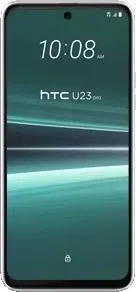
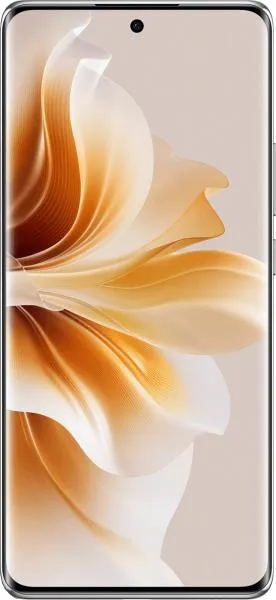
1. Specifications Comparison
| Feature | HTC U23 Pro | Oppo Reno11 | Practical Impact |
|---|---|---|---|
| Design | |||
| Dimensions (mm) | 166.6 x 77.1 x 8.9 | 162.4 x 74.3 x 7.9 | Reno11 is slightly smaller and thinner, potentially more pocketable. |
| Weight (g) | 205 | 182 | Reno11 is noticeably lighter, reducing hand fatigue during extended use. |
| Fingerprint Sensor | Side-mounted | Under-display | Preference-based; under-display is often considered more modern. |
| Display | |||
| Size (inches) | 6.7 | 6.7 | Same screen size. |
| Resolution (pixels) | 1080 x 2400 | 1080 x 2412 | Negligible difference in resolution; both offer sharp visuals. |
| Panel Type | OLED, 120Hz | AMOLED, 1B colors, 120Hz, HDR10+ | Reno11's AMOLED with 1B colors and HDR10+ offers richer colors, deeper blacks, and better HDR content viewing. |
| Peak Brightness (nits) | Not specified | 950 (typical), 1400 (peak) | Reno11's higher peak brightness ensures better visibility in sunlight. Missing peak brightness for the U23 Pro limits comparison. |
| Performance | |||
| Chipset | Snapdragon 7 Gen 1 (4nm) | MediaTek Dimensity 7050 (6nm) | Both offer good mid-range performance, though benchmarks would be needed to determine precise differences. |
| CPU | Octa-core (1x2.4 GHz A710 & 3x2.36 GHz A710 & 4x1.8 GHz A510) | Octa-core (2x2.6 GHz A78 & 6x2.0 GHz A55) | Reno11's CPU configuration suggests potentially better multi-core performance. Detailed comparison requires benchmarking. |
| GPU | Adreno 644 | Mali-G68 MC4 | Gaming performance differences would require benchmarking; both GPUs are capable for mid-range gaming. |
| RAM (GB) | 8/12 | 8/12 | Both offer configurations with ample RAM for smooth multitasking. |
| Camera | |||
| Main Camera (MP) | 108 | 50 | U23 Pro boasts higher resolution; however, megapixels alone don't determine image quality. Reno11 utilizes a larger sensor (1/2"). Sensor size and image processing significantly impact final image quality. |
| Ultrawide (MP) | 8 | 8 | Similar ultrawide resolution. |
| Telephoto (MP) | None | 32 | Reno11 offers optical zoom capabilities with a dedicated telephoto lens, absent in the U23 Pro. |
| Selfie (MP) | 32 | 32 | Same front camera resolution. |
| Video | 4K@30fps with EIS, 1080p@30fps with EIS | 4K@30fps with EIS, up to 720p@960fps with EIS | Reno11 offers more versatile video recording options including higher slow-motion capabilities. |
| Battery | |||
| Capacity (mAh) | 4600 | 5000 | Reno11 has a larger battery, likely resulting in longer battery life. |
2. Key Differences Analysis
HTC U23 Pro Advantages:
- Higher resolution main camera: Potentially more detail in images, although real-world performance depends on other factors like sensor size and processing.
Oppo Reno11 Advantages:
- Superior display: AMOLED with 1 billion colors, HDR10+, and higher peak brightness delivers a more vibrant and immersive visual experience.
- Larger battery: Potentially longer battery life.
- Lighter and thinner design: Enhanced portability and comfort.
- More versatile camera system: Dedicated telephoto lens for optical zoom and superior slow-motion video recording.
- More recent OS: Android 14 offers potential performance and feature advantages over Android 13.
3. User Profiles & Recommendations
HTC U23 Pro: Users prioritizing a higher resolution main camera and who are comfortable with a slightly larger and heavier phone.
Oppo Reno11: Users prioritizing display quality, battery life, a sleek design, and versatile camera features, including optical zoom and high-quality slow-motion video.
4. Decision Framework
Key Questions for Buyers:
- How important is display quality? If vibrant colors, deep blacks, and HDR are crucial, the Reno11 is the better choice.
- How much do you value camera versatility? The Reno11 offers optical zoom and superior slow-motion video capabilities.
- How important is battery life and portability? The Reno11's larger battery and lighter/thinner design provide advantages in these areas.
My Choice: Oppo Reno11
The Oppo Reno11 offers a more compelling overall package. Its superior display, longer battery life, lighter design, more versatile camera system with a dedicated telephoto lens, and newer Android version outweigh the U23 Pro's higher resolution main camera. While megapixels are important, the Reno11's larger sensor likely compensates, and the additional camera features provide more practical benefits for everyday use. The Reno11's price advantage further solidifies its position as the better value proposition. While personal preferences regarding fingerprint sensor location exist, the overall feature set of the Reno11 makes it the preferable choice for me.
