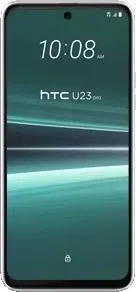
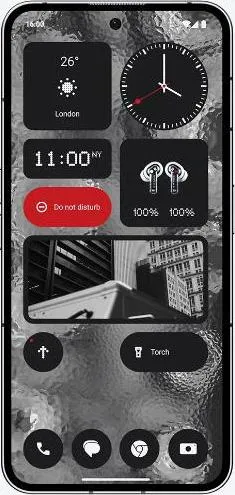
1. Specifications Comparison
| Feature | HTC U23 Pro | Nothing Phone (2) | Practical Impact | |||||
|---|---|---|---|---|---|---|---|---|
| Design | ||||||||
| Dimensions (mm) | 166.6 x 77.1 x 8.9 | 162.1 x 76.4 x 8.6 | Nothing Phone (2) is slightly smaller and thinner, potentially offering a more comfortable grip. | |||||
| Weight (g) | 205 | 201.2 | Negligible weight difference in real-world usage. | |||||
| Display | ||||||||
| Size (inches) | 6.7 | 6.7 | Same screen size. | |||||
| Resolution (px) | 1080 x 2400 | 1080 x 2412 | Virtually identical resolution; no noticeable difference in sharpness. | |||||
| Type | OLED, 120Hz | LTPO OLED, 120Hz | Both offer smooth scrolling and animations due to 120Hz. Nothing Phone (2)'s LTPO allows for variable refresh rate, saving battery. | |||||
| Color Depth | Not specified | 1B (1 Billion) colors | Nothing Phone (2) offers a wider color gamut and more vibrant colors. Missing HDR specs for U23 Pro limit comparison. | |||||
| Peak Brightness (nits) | Not specified | 1600 | Nothing Phone (2) likely offers better outdoor visibility. | HDR | Not specified | HDR10+ | Nothing Phone (2) supports HDR10+ for improved video quality on compatible content. | |
| Performance | ||||||||
| Chipset | Snapdragon 7 Gen 1 | Snapdragon 8+ Gen 1 | Nothing Phone (2) has a significantly more powerful processor, resulting in smoother multitasking and better gaming performance. | |||||
| CPU | Octa-core (up to 2.4 GHz) | Octa-core (up to 3.0 GHz) | Nothing Phone (2) has faster CPU cores, leading to quicker app launches and overall responsiveness. | |||||
| GPU | Adreno 644 | Adreno 730 | Nothing Phone (2) boasts a more powerful GPU, enhancing gaming and graphics-intensive tasks. | |||||
| RAM | 8GB | 8/12GB | Nothing Phone (2) offers a 12GB RAM option, improving multitasking capabilities further. | |||||
| Camera | ||||||||
| Main Camera (MP) | 108MP | 50MP | HTC has higher resolution, but sensor details are crucial for image quality comparison. Nothing Phone (2) provides more sensor details. | |||||
| Video | 4K@30fps | 4K@60fps | Nothing Phone (2) can record smoother 4K video at 60fps. | |||||
| Battery | ||||||||
| Capacity (mAh) | 4600 | 4700 | Slightly larger battery in the Nothing Phone (2). |
2. Key Differences Analysis
HTC U23 Pro Advantages:
- Potentially Lower Price: Given the "medium price" range and fewer premium features, it's likely more affordable.
- Higher Resolution Main Camera: 108MP sensor could offer more detail in ideal conditions. However, without sensor size and pixel size comparisons, this remains speculative.
Nothing Phone (2) Advantages:
- Significantly More Powerful: Snapdragon 8+ Gen 1 offers a noticeable performance advantage for demanding tasks and gaming.
- Superior Display: LTPO panel with 1B colors, HDR10+, and higher peak brightness delivers a richer visual experience.
- More Advanced Camera Features: 4K@60fps video recording, better sensor specifications on the main camera suggest superior image quality. OIS and EIS on both lenses indicate superior video stabilization. Slow motion video at 240fps vs 120fps.
3. User Profiles & Recommendations
HTC U23 Pro: Budget-conscious users who prioritize basic smartphone functionality and a large screen. Suitable for everyday tasks like web browsing, social media, and casual photography.
Nothing Phone (2): Users who demand top-tier performance for gaming, multimedia consumption, and demanding applications. Those who value a vibrant display and advanced camera features will also prefer the Nothing Phone (2).
4. Decision Framework
Key Questions for Buyers:
- What is your budget? The HTC U23 Pro is likely more affordable.
- What are your primary use cases? Gaming and demanding tasks favor the Nothing Phone (2).
- How important is display and camera quality? The Nothing Phone (2) offers a superior visual experience.
Scenario-Based Recommendations:
- Limited Budget, Basic Usage: HTC U23 Pro
- Power User, Gamer, Multimedia Enthusiast: Nothing Phone (2)
- Best Value for Money: Likely the Nothing Phone (2) given its superior feature set, but dependent on actual price difference.
My Choice: Nothing Phone (2)
The Nothing Phone (2)'s superior performance, display, and camera features make it the clear winner for me. While the HTC U23 Pro might offer a lower price, the significant difference in key areas like the processor and display justifies the potential extra cost. The Nothing Phone (2) offers a more future-proof device and a significantly better user experience overall. The more detailed camera specifications, along with features like 4K@60fps recording and OIS/EIS, suggest a superior camera experience as well. Even with a price premium, the Nothing Phone (2) provides better value due to its superior feature set.
