1. Specifications Comparison
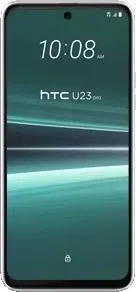
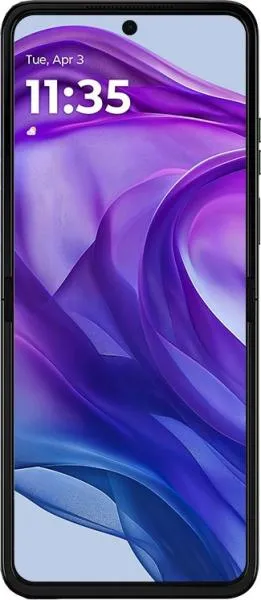
| Feature | HTC U23 Pro | Motorola Razr 50 Ultra | Practical Impact |
|---|---|---|---|
| Design | |||
| Dimensions (mm) | 166.6 x 77.1 x 8.9 | 171.4 x 74 x 7.1 | Razr 50 Ultra is noticeably thinner and slightly narrower, but taller when unfolded. Its foldability offers significant portability advantages. |
| Weight (g) | 205 | 189 | Razr 50 Ultra is lighter despite its larger display, likely due to material choices related to foldability. |
| Foldable | No | Yes | Razr's foldable design allows for pocketability unmatched by traditional smartphones. |
| Display | |||
| Size (inches) | 6.7 | 6.9 | Razr 50 Ultra offers a slightly larger screen. |
| Resolution (px) | 1080 x 2400 | 1080 x 2640 | Razr 50 Ultra has a slightly taller aspect ratio and higher resolution, resulting in marginally sharper visuals. |
| Type | OLED, 120Hz | Foldable LTPO AMOLED, 165Hz | Razr boasts a higher refresh rate (165Hz vs 120Hz) for smoother animations and scrolling, as well as LTPO technology for potential power savings by dynamically adjusting the refresh rate. The foldable pOLED introduces a crease but enables the unique form factor. |
| Brightness (nits) | Not specified | 3000 (peak) | Razr 50 Ultra's significantly higher peak brightness ensures better outdoor visibility. The missing spec for the U23 Pro prevents a complete comparison. |
| Color Depth | Not specified | 1B | Razr 50 Ultra supports a wider color gamut for more vibrant and accurate color reproduction. The missing spec for the U23 Pro hinders a full comparison. |
| HDR | No Dolby Vision specified | Dolby Vision, HDR10+ | Razr 50 Ultra supports HDR10+ and Dolby Vision, providing superior dynamic range and color accuracy in compatible content. |
| Performance | |||
| Chipset | Snapdragon 7 Gen 1 | Snapdragon 8+ Gen 3 | Razr 50 Ultra utilizes a significantly more powerful chipset, resulting in smoother performance, faster app loading, and better multitasking. |
| CPU | Octa-core (1x2.4 GHz A710 & 3x2.36 GHz A710 & 4x1.8 GHz A510) | Octa-core (1x3.0 GHz X4 & 4x2.8 GHz A720 & 3x2.0 GHz A520) | Razr 50 Ultra features a newer CPU architecture with higher clock speeds, leading to a substantial performance advantage. |
| GPU | Adreno 644 | Adreno 735 | Razr 50 Ultra's GPU is considerably more powerful, delivering superior gaming and graphics performance. |
| RAM | 8GB/12GB | 12GB | Both offer ample RAM, but Razr 50 Ultra consistently provides 12GB, ensuring smoother multitasking and handling of demanding applications. |
| Camera | |||
| Main Camera | 108MP | 50MP (Samsung GN8) with OIS | While the U23 Pro boasts higher resolution, the Razr 50 Ultra utilizes a larger sensor (Samsung GN8) known for excellent low-light performance. The practical impact depends on specific sensor characteristics not listed for the U23 Pro. |
| Video | 4K@30fps | Up to 4K@60fps, 1080p@960fps | Razr offers significantly more versatile video recording options, including higher frame rates and slow-motion capabilities. |
| Battery | |||
| Capacity (mAh) | 4600 | 4000 | U23 Pro has a larger battery capacity. However, Razr's LTPO display might offer better power efficiency, mitigating the difference in real-world usage. |
2. Key Differences Analysis
HTC U23 Pro Advantages:
- Potentially longer battery life: The larger battery capacity suggests longer usage between charges, though this depends on real-world usage patterns.
Motorola Razr 50 Ultra Advantages:
- Significantly more powerful: The Snapdragon 8+ Gen 3 offers a substantial performance advantage over the Snapdragon 7 Gen 1, resulting in a smoother and more responsive user experience.
- Higher refresh rate display: The 165Hz display provides smoother animations and scrolling compared to the U23 Pro's 120Hz display.
- Foldable design: Offers unmatched portability.
- Superior camera features: While megapixel count is lower, the larger sensor and more advanced features like OIS suggest better image quality, particularly in challenging conditions. More video recording options enhance versatility.
- More advanced display technology: The LTPO AMOLED panel offers dynamic refresh rate adjustment for power saving and supports HDR10+ and Dolby Vision for a superior viewing experience.
Trade-offs:
- Razr 50 Ultra: Higher price, smaller battery capacity, potential durability concerns associated with foldable displays, crease in the main display.
- U23 Pro: Lower performance, less advanced display technology, potentially less capable camera system.
3. User Profiles & Recommendations
HTC U23 Pro: Users on a tighter budget who prioritize battery life and basic smartphone functionality. Suitable for everyday tasks like browsing, social media, and light gaming.
Motorola Razr 50 Ultra: Users who value cutting-edge technology, premium design, and top-tier performance. Ideal for demanding tasks, gaming, media consumption, and users who prioritize portability.
4. Decision Framework
Key Questions:
- What is your budget? The Razr 50 Ultra is significantly more expensive.
- What level of performance do you need? For demanding tasks and gaming, the Razr 50 Ultra is vastly superior.
- How important is portability? The Razr 50 Ultra's foldable design offers a unique advantage in portability.
My Choice: Motorola Razr 50 Ultra
While the HTC U23 Pro offers a larger battery, the Motorola Razr 50 Ultra provides a significant upgrade in almost every other aspect. The superior performance, stunning display with HDR10+ and Dolby Vision, versatile camera system, and unique foldable design make it a compelling choice. The higher price is justified by the significant advancements in technology and user experience. The portability advantage of a foldable phone outweighs the slightly smaller battery for me, and the Snapdragon 8+ Gen 3 future-proofs the device for longer.
