1. Specifications Comparison
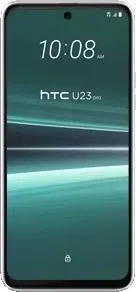
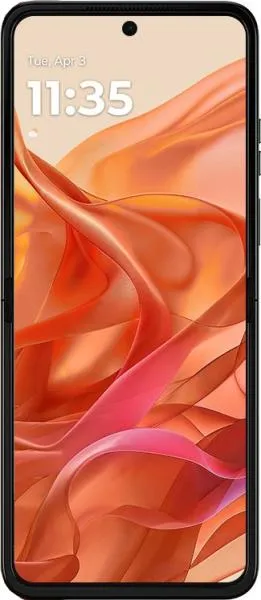
| Feature | HTC U23 Pro | Motorola Razr 50 | Practical Impact |
|---|---|---|---|
| Design | |||
| Dimensions (mm) | 166.6 x 77.1 x 8.9 | 171.3 x 74 x 7.3 | Razr 50 is narrower and significantly thinner due to its foldable design, but taller when unfolded. U23 Pro is a more traditional candybar design. |
| Weight (g) | 205 | 188.4 | Razr 50 is lighter despite the larger display, making it more pocketable. |
| Foldable | No | Yes | Razr 50's foldable design offers a compact form factor when closed and a large screen when open. U23 Pro offers a consistently large screen experience. |
| Display | |||
| Display Size (inches) | 6.7 | 6.9 | Razr 50 offers a slightly larger display. |
| Resolution (px) | 1080 x 2400 | 1080 x 2640 | Both have similar pixel density, but Razr 50's taller aspect ratio provides more vertical screen real estate. |
| Display Type | OLED, 120Hz | Foldable LTPO AMOLED, 1B colors, 120Hz, HDR10+, 3000 nits (peak) | Razr 50 boasts a superior display with LTPO technology for adaptive refresh rate (potentially saving battery), 1 billion colors for richer visuals, HDR10+ for enhanced dynamic range, and a much brighter peak brightness for better outdoor visibility. |
| Performance | |||
| Chipset | Snapdragon 7 Gen 1 | MediaTek Dimensity 7300X | Both are mid-range chipsets, performance differences would need benchmarking. |
| CPU | Octa-core (1x2.4 GHz A710 & 3x2.36 GHz A710 & 4x1.8 GHz A510) | Octa-core (4x2.5 GHz A78 & 4x2.0 GHz A55) | Razr 50 uses newer Cortex-A78 cores which generally provide better performance. Practical differences depend on optimization and real-world usage. |
| GPU | Adreno 644 | Mali-G615 MC2 | Performance differences require benchmarks, but Adreno GPUs generally have a stronger reputation in gaming. |
| RAM | 8GB | 8GB/12GB | Razr 50 offers a 12GB RAM option, beneficial for heavy multitasking. |
| Camera | |||
| Main Camera (MP) | 108 | 50 | U23 Pro has a higher megapixel count, suggesting potentially better detail capture in ideal conditions. However, sensor size and other factors significantly impact overall image quality. |
| Ultrawide (MP) | 8 | 13 | Razr 50 has a higher resolution ultrawide camera. |
| Selfie Camera (MP) | 32 | 32 | Similar resolution selfie cameras. |
| Battery | |||
| Capacity (mAh) | 4600 | 4200 | U23 Pro has a larger battery capacity, likely resulting in longer battery life. However, Razr 50's LTPO display could mitigate this difference. |
2. Key Differences Analysis
HTC U23 Pro Advantages:
- Larger battery capacity: Potentially longer battery life.
- Higher resolution main camera: Potential for more detailed photos in good lighting.
- Potentially more affordable (based on limited pricing information).
Motorola Razr 50 Advantages:
- Foldable design: More compact and pocketable.
- Superior display: Brighter, HDR10+, more colors, and LTPO technology.
- More powerful CPU: Newer architecture suggests better performance.
- Higher RAM option (12GB): Better for heavy multitasking.
- Newer Bluetooth version: Slightly improved connectivity and efficiency.
3. User Profiles & Recommendations
HTC U23 Pro: Users prioritizing battery life, a traditional smartphone form factor, and a potentially lower price. Ideal for users with basic to moderate usage patterns.
Motorola Razr 50: Users prioritizing portability, a cutting-edge design, and a superior display. Suitable for users who value a compact phone without compromising screen size when needed, and those who appreciate the latest technology. Excellent for content consumption on the go.
4. Decision Framework
Key Questions for Buyers:
- Form Factor Preference: Do you prioritize portability and a novel foldable design or a traditional smartphone experience?
- Display Quality: How important is display brightness, color accuracy, and HDR support?
- Budget: How much are you willing to spend, considering the price difference between a foldable and a traditional smartphone?
Scenario-Based Recommendations:
- For frequent travelers: Razr 50's compact size is advantageous.
- For heavy media consumers: Razr 50's superior display enhances the viewing experience.
- For budget-conscious buyers: U23 Pro offers a compelling set of features at a potentially lower price.
My Choice: Motorola Razr 50
While the HTC U23 Pro offers a larger battery and potentially lower price, the Motorola Razr 50's foldable design, superior display technology (LTPO, HDR10+, higher brightness), and more powerful CPU make it a more compelling device for me. I value the combination of portability and a large screen when needed, and the improved display quality significantly enhances the user experience. I'm willing to compromise slightly on battery life for the significant advantages offered by the Razr 50's innovative form factor and cutting-edge display. The newer CPU architecture also suggests better long-term performance and future-proofing.
