1. Specifications Comparison
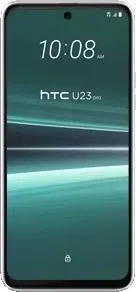
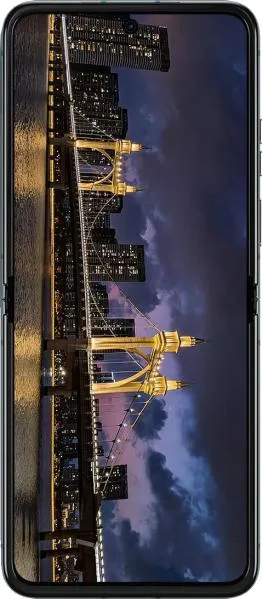
| Feature | HTC U23 Pro | Motorola Razr 40 Ultra | Practical Impact |
|---|---|---|---|
| Design | |||
| Dimensions (mm) | 166.6 x 77.1 x 8.9 | 170.8 x 74 x 7 | Razr 40 Ultra significantly thinner and slightly narrower when unfolded. U23 Pro is a more traditional candybar form factor. |
| Weight (g) | 205 | 184.5 | Razr 40 Ultra noticeably lighter despite larger display, enhancing portability. |
| Foldable | No | Yes | Razr's foldable design offers unique portability and a smaller footprint when closed. |
| Display | |||
| Size (inches) | 6.7 | 6.9 | Razr 40 Ultra offers a larger screen area for immersive content consumption. |
| Resolution (px) | 1080 x 2400 | 1080 x 2640 | Similar pixel density, but Razr 40 Ultra's taller aspect ratio provides more vertical screen real estate. |
| Refresh Rate (Hz) | 120 | 165 | Razr 40 Ultra's higher refresh rate results in smoother animations and scrolling. More noticeable in fast-paced games and UI interactions. |
| Display Type | OLED | Foldable LTPO AMOLED | Razr uses a more advanced display technology (LTPO) that can dynamically adjust refresh rate for power saving. Foldable screen introduces a crease but enables unique functionalities. |
| Peak Brightness (nits) | Not specified | 1400 | Razr 40 Ultra's high peak brightness ensures excellent outdoor visibility. Missing spec for U23 Pro limits comparison. |
| Performance | |||
| Chipset | Snapdragon 7 Gen 1 | Snapdragon 8+ Gen 1 | Razr 40 Ultra utilizes a significantly more powerful flagship processor resulting in notably faster performance for demanding tasks and gaming. |
| CPU | Octa-core (1x2.4 GHz A710 & 3x2.36 GHz A710 & 4x1.8 GHz A510) | Octa-core (1x3.19 GHz X2 & 3x2.75 GHz A710 & 4x1.80 GHz A510) | Razr 40 Ultra has a faster and more efficient CPU architecture, translating to smoother multitasking and quicker app loading. |
| GPU | Adreno 644 | Adreno 730 | Razr 40 Ultra boasts a more powerful GPU, delivering significantly improved gaming performance and graphics rendering. |
| RAM (GB) | 8/12 | 8/12 | Both offer configurations with ample RAM for smooth multitasking, though real-world performance depends on other factors as well. |
| Camera | |||
| Main Camera (MP) | 108 | 12 | While U23 Pro boasts higher megapixels, Razr 40 Ultra utilizes a larger sensor (unspecified sizes limit detailed analysis) and a wider aperture (f/1.5 vs f/1.7) potentially capturing more light and detail in various conditions. Megapixel count isn't the sole determinant of image quality. |
| Video Recording | 4K@30fps | 4K@60fps with HDR, EIS | Razr 40 Ultra offers higher resolution and frame rate video recording with HDR and improved stabilization. |
| Battery | |||
| Capacity (mAh) | 4600 | 3800 | U23 Pro has a larger battery capacity, potentially offering longer battery life. Real-world usage will vary greatly depending on usage patterns and the Razr's LTPO display could offset the capacity difference. |
2. Key Differences Analysis
HTC U23 Pro Advantages:
- Larger Battery: Potentially longer battery life.
- Lower Price: Generally more affordable. (Specific prices vary by retailer and region)
Motorola Razr 40 Ultra Advantages:
- Significantly More Powerful: Flagship performance with Snapdragon 8+ Gen 1.
- Foldable Design: Unique portability and form factor.
- Higher Refresh Rate Display: Smoother visuals and more responsive experience.
- Brighter Display: Better outdoor visibility.
- More Advanced Camera Features: Including wider aperture, 4K@60fps video recording with HDR and EIS, and more advanced autofocus technologies.
Trade-offs:
- Razr 40 Ultra: Smaller battery capacity for its powerful components, potentially shorter battery life. Higher price. Durability concerns associated with foldable displays.
- U23 Pro: Less powerful processor, lower refresh rate display, less advanced camera features.
3. User Profiles & Recommendations
HTC U23 Pro:
- Ideal User: Budget-conscious users prioritizing battery life and a traditional smartphone experience.
- Use Cases: Everyday tasks, casual gaming, web browsing, media consumption.
Motorola Razr 40 Ultra:
- Ideal User: Tech-savvy users seeking cutting-edge technology, a unique foldable design, and top-tier performance. Willing to pay a premium for these features.
- Use Cases: Demanding tasks, mobile gaming, content creation, multitasking, showcasing innovative technology.
4. Decision Framework
Key Questions for Buyers:
- Budget: How much are you willing to spend?
- Performance Needs: Do you require flagship-level performance or is a mid-range chip sufficient?
- Form Factor Preference: Do you value the portability and novelty of a foldable phone or prefer a traditional design?
Scenario-Based Recommendations:
- Prioritize Battery Life and Affordability: HTC U23 Pro
- Prioritize Performance and Innovation: Motorola Razr 40 Ultra
My Choice: Motorola Razr 40 Ultra
While the HTC U23 Pro offers a solid mid-range option with a larger battery, the Motorola Razr 40 Ultra aligns better with my personal preferences. I value cutting-edge technology, and the Razr's foldable design, flagship performance (Snapdragon 8+ Gen 1), and superior display (higher refresh rate and brightness) are compelling features. The compact size when folded is a significant advantage for portability. I'm willing to accept the trade-offs of a potentially shorter battery life (mitigated somewhat by the LTPO display) and higher price for the significant advancements in user experience and innovative form factor. I also find the more advanced camera features appealing, even with a lower megapixel count on the primary sensor, as factors like aperture and sensor size (unspecified here) play a significant role in overall image quality.
