1. Specifications Comparison
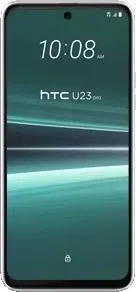
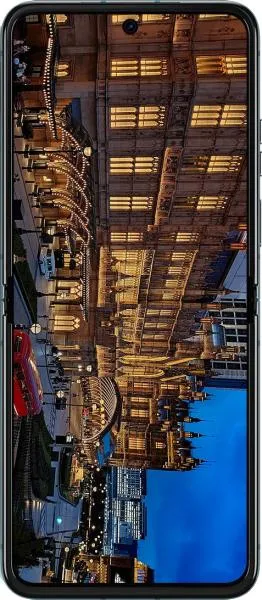
| Feature | HTC U23 Pro | Motorola Razr 40 | Practical Impact |
|---|---|---|---|
| Design | |||
| Dimensions (mm) | 166.6 x 77.1 x 8.9 | 170.8 x 74 x 7.4 | Razr 40 is noticeably thinner and slightly narrower but taller when unfolded. U23 Pro is a more traditional candybar design. Razr's foldability offers portability but potential durability concerns. |
| Weight (g) | 205 | 188.6 | Razr 40 is lighter, enhancing portability. |
| Foldable | No | Yes | Razr 40's foldable design allows for compact storage, while the U23 Pro offers a larger, uninterrupted screen experience. |
| Display | |||
| Size (inches) | 6.7 | 6.9 | Razr 40 offers a slightly larger display. |
| Resolution (px) | 1080 x 2400 | 1080 x 2640 | Both have similar resolutions, but the Razr 40's taller aspect ratio provides more vertical content. |
| Type | OLED, 120Hz | Foldable LTPO AMOLED, 144Hz | Razr 40 boasts a higher refresh rate (smoother animations) and LTPO technology for potential power savings. The foldable nature of the Razr's screen introduces a crease. Lack of color depth info for U23 Pro makes a detailed comparison difficult. |
| Peak Brightness (nits) | Not specified | 1400 | Razr 40's higher peak brightness ensures better visibility in sunlight. Missing data for U23 Pro hinders a complete comparison. |
| Performance | |||
| Chipset | Snapdragon 7 Gen 1 | Snapdragon 7 Gen 1 | Both phones offer identical performance based on the chipset. |
| CPU | Octa-core (1x2.4 GHz Cortex-A710 & 3x2.36 GHz Cortex-A710 & 4x1.8 GHz Cortex-A510) | Octa-core (1x2.4 GHz Cortex-A710 & 3x2.36 GHz Cortex-A710 & 4x1.8 GHz Cortex-A510) | Identical CPU configurations result in similar processing power. |
| GPU | Adreno 644 | Adreno 644 | Identical GPUs should deliver comparable graphics performance. |
| RAM (GB) | 8/12 | 8/12 | Both offer similar RAM configurations, impacting multitasking capabilities. |
| Camera | |||
| Main Camera (MP) | 108 | 64 | U23 Pro features a significantly higher resolution main camera, suggesting potentially better detail capture. However, megapixels alone don't guarantee image quality. Missing sensor size and aperture details limit a comprehensive analysis. |
| Front Camera (MP) | 32 | 32 | Both have the same front camera resolution. |
| Video Recording | 4K@30fps with EIS, 1080p@30fps with EIS | 4K@30fps with EIS, 1080p@30/60fps with EIS | Razr 40 offers more video recording options, including 1080p at 60fps. |
| Battery | |||
| Capacity (mAh) | 4600 | 4200 | U23 Pro has a larger battery, potentially leading to longer battery life. Real-world usage can vary significantly. |
2. Key Differences Analysis
HTC U23 Pro Advantages:
- Larger battery capacity: Potentially longer battery life.
- Higher resolution main camera: Potential for more detailed photos.
Motorola Razr 40 Advantages:
- Foldable design: Increased portability and unique form factor.
- Higher refresh rate display: Smoother animations and scrolling.
- Lighter weight: Easier to carry and handle.
- Brighter display: Better outdoor visibility.
- More video recording options: Flexibility for content creation.
3. User Profiles & Recommendations
HTC U23 Pro: Users prioritizing battery life and a traditional smartphone experience. Suitable for those who value a large, uninterrupted screen and potentially better camera detail.
Motorola Razr 40: Users prioritizing portability and a unique, stylish design. Ideal for those who value compactness and a smoother display experience. Suitable for trendsetters and those who want a pocketable device without sacrificing a large screen when unfolded.
4. Decision Framework
Key Questions for Buyers:
- Form factor preference: Do you prioritize portability (foldable) or a traditional smartphone experience?
- Display needs: Is a higher refresh rate and brighter display crucial, or is battery life a greater concern?
- Camera usage: Do you prioritize higher resolution photos or more versatile video recording options?
My Choice: Motorola Razr 40
While the HTC U23 Pro offers a larger battery and higher resolution main camera, the Motorola Razr 40's foldable design, higher refresh rate display, lighter weight, and brighter screen are more compelling to me. The portability offered by the Razr 40 outweighs the slightly smaller battery and lower resolution main camera, especially considering the increasingly demanding visual experiences users expect from modern smartphones. The smoother scrolling and improved outdoor visibility enhance daily usage significantly. While I acknowledge the potential durability concerns of foldable phones, the innovative form factor and its benefits align more with my personal preferences and perceived value. The slightly higher price for the Razr 40 feels justified for the technological advancements it offers.
